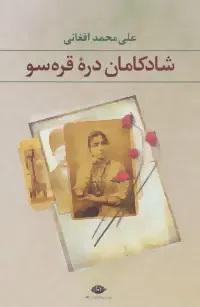
Why this book?
- It intertwines the love story of Bahram and Sarvenaz with class and social divides.
- It offers a fictional portrait of Iranian society in the final years of Reza Shah's reign.
- It pays attention to the status of women and the social structures that determine their position.
- It brings economic transformations and the transition from traditional trade practices to new capital relations into the world of the story.
- It is a worthwhile read for those interested in the social and historical novels of Ali Mohammad Afghani.
About the book
The Happy Ones of Qareh Su Valley is a novel by Ali Mohammad Afghani that intertwines a love story with a narrative of social relations in Iran during the final years of Reza Shah's reign. A significant part of the story unfolds in the rural setting of Kermanshah, where class differences, the power of the khans, the position of women, and social and economic changes form the backdrop to the characters' lives.
At the center of the story is Bahram, a nineteen-year-old youth, who is working with his father on the construction of a dam on the Qareh Su River. The dam is being built on the commission of Badie-ol-Molk Khan, the village khan, and their visits to his house set the stage for Bahram's acquaintance with his daughter, Sarvenaz. Bahram falls in love with Sarvenaz, but the completion of the dam and their departure from the village leave this relationship unfinished. The non-payment of Bahram's father's wages leads to their return, and with Sarvenaz's reciprocal affection coming to light, the love between the two young people confronts social and class obstacles.