Art
Audio Lecture: Nest-Building Behavior in Social Insects
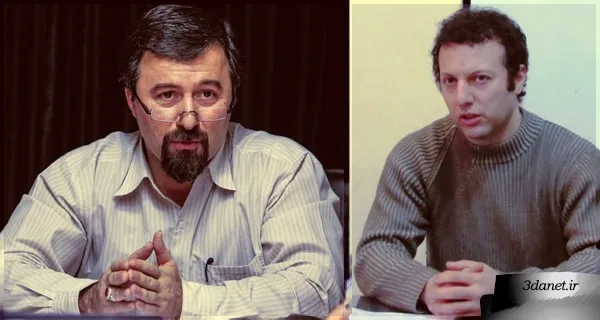
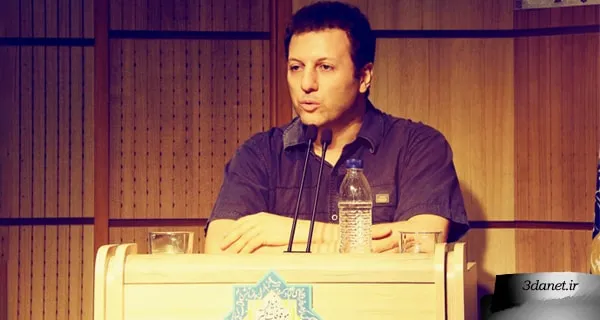
Drawing on complex systems theory, Shervin Vakili argues that the nesting behavior of social insects and the actions of 'city-building' animals share a fundamental nature. Distinct perceptual apparatuses, he contends, produce distinct patterns of understanding and constructing space.
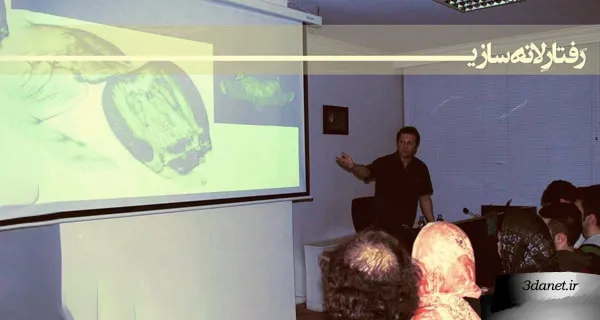
Audio lecture on nest-building behavior in social insects by Dr. Shervin Vakili Contemporary Architects Forum | 16 November 2015
.
Spatial Organization in Social Insects, Dr. Shervin Vakili
In this session, the nest-building behavior of social insects, with an emphasis on ants, is examined. The speaker views animal behavior from the perspective of complex systems theory and considers the actions of all "urban-planning" animals—those that architecturally organize their living space—as possessing a homogeneous nature. That is, he believes that humans, social insects, and other social species that build homes and cities employ the same evolutionary principles and frameworks to adapt their habitat's space and carve place out of it. Within this theoretical context, the divergence between the evolutionary paths of humans and social insects, and their different perceptual apparatuses and nervous and sensory systems, yields entirely distinct patterns of understanding place and constructing place, which can be analyzed comparatively.

Discussion0 comments
No comments yet; let yours be the first voice.