Why this book?
- The book examines the link between ethics and aesthetics against modern value nihilism and raw scientism.
- By referring to thinkers such as Kierkegaard and literary examples like Dickens’s Hard Times, it clarifies the danger of a life without values.
- The author’s perspective moves from ethical inquiry toward aesthetics and opens a new horizon for understanding values.
- It is a thought-provoking resource for those interested in moral philosophy, aesthetics and critique of contemporary culture.
- The collection of articles and lectures provides direct access to Kaveh Behbahani’s ideas.
About the book
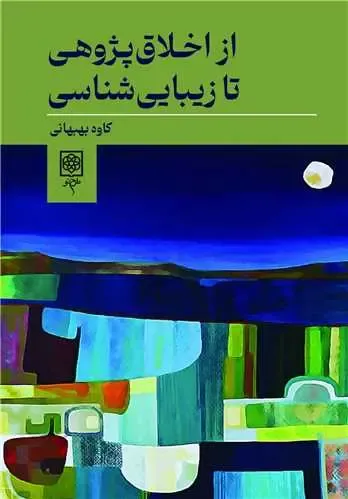
From Ethical Inquiry to Aesthetics by Kaveh Behbahani is a collection of articles and lectures on ethics that gradually extends into the domain of aesthetics. Drawing on Kierkegaard’s account of the madman and T. S. Eliot’s tragic story, the author shows that merely repeating the cold facts of the world without grasping their temporal and situational importance is itself a sign of madness.
Behbahani extends this individual madness to the level of human societies and regards it as the consequence of the raw scientism of the modern age, which advances hand in hand with self-interest and egocentrism in an economized society. Referring to Charles Dickens’s novel Hard Times and the character of Thomas Gradgrind, he portrays life in an age of value nihilism—an age in which good and evil have become indifferent and the sole end is personal advantage.
The book is a thought-provoking work for readers interested in moral philosophy, aesthetics and the critique of modern culture. With clear and reasoned language, Behbahani moves from ethical inquiry toward aesthetics and shows how values can resist the decline of meaning.