Why this book?
- The book addresses with philosophical precision the fundamental question of whether machines can create art.
- It critically examines the relations between creativity, consciousness and artistic value in the age of AI.
- The author’s balanced view, without offering definitive answers, prompts critical reflection.
- It is a concise and clear resource for those interested in philosophy of art, technology ethics and contemporary aesthetic challenges.
- Given the rapid advance of generative systems, the book provides a strong starting point for understanding their cultural and ethical implications.
About the book
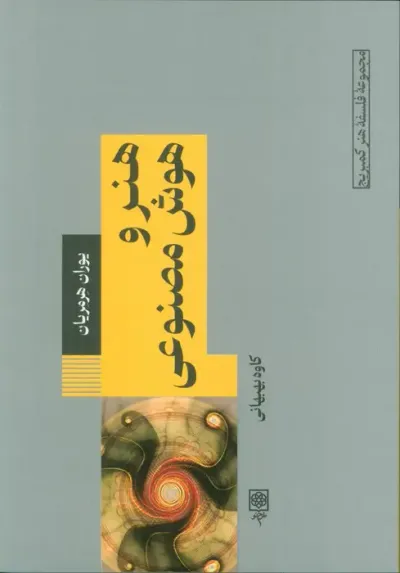
Art and Artificial Intelligence by Göran Hermerén, published in 2024 by Cambridge University Press, tackles the central question of the digital age: can computers create art? The author reviews philosophical and cultural debates and analyses with precision and critical force the relations between artificial intelligence, creativity, consciousness and artistic value.
Hermerén begins with the question of authorship and asks whether a non-human system can legitimately be considered the author of an artwork or whether creativity and artistic intention require human consciousness and intention. He then compares AI learning processes with human experience and examines whether machine outputs constitute genuine creativity or merely combinations of existing data and patterns. He also addresses the nature of creativity, kinds of thinking, and whether AI-generated artefacts can truly count as art in the cultural, ethical and aesthetic sense.
The book’s strengths lie in its clarity, focus and accessible language. The author’s balanced stance invites reflection without imposing final answers. Its main limitation is its brevity, which leaves many historical and technical dimensions only sketched. Overall, it is a thoughtful philosophical study that offers a powerful starting point for anyone interested in the philosophy of art, ethics and new technologies.
From the table of contents
- 1Who is the author?
- 2AI learning processes
- 3The nature of creativity
- 4Kinds of thinking
- 5Can AI artefacts be art?