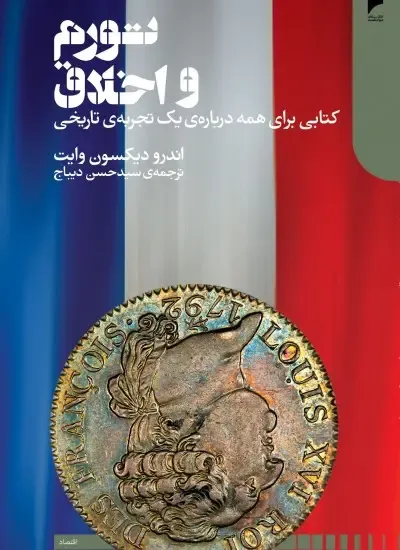
Why this book?
- To understand the link between economic policies and moral changes in society.
- To become familiar with the historical experience of severe inflation in France after the 1789 Revolution.
- To recognize the social and political consequences of printing unbacked money.
- To study a historical example of the impact of government economic decisions on people's lives.
About the book
"Inflation and Ethics," originally titled Fiat Money Inflation in France and written by Andrew Dickson White, is a brief historical examination of France's experience after the Great Revolution; a period when the revolutionary government turned to the widespread issuance of paper money to solve its financial crises. In this book, White shows how a policy initially conceived as a temporary and salvific solution led to economic instability, currency devaluation, and the erosion of public trust.
The book's main subject is not merely inflation in the sense of rising prices, but its broader effects on human behavior and social relations. White explains how monetary instability alters people's economic incentives, strengthens speculation and opportunism, and can undermine values such as honesty, trust, and justice.
This work holds a special place among White's historical writings, as it is an example of the connection between his historical perspective and his moral and political concerns. The book is a worthwhile read for those interested in history, political economy, social thought, and the relationship between economic institutions and the moral life of societies.