Why this book?
- To understand the hidden impacts of producing, transporting, consuming, and discarding goods.
- To grasp why many green labels and seemingly ethical choices are not enough.
- To become familiar with the concept of "Life Cycle Assessment" and its application in product selection.
- To see the link between consumer behavior, human health, and the environmental crisis.
- For those interested in practical, conscious solutions in everyday life.
About the book
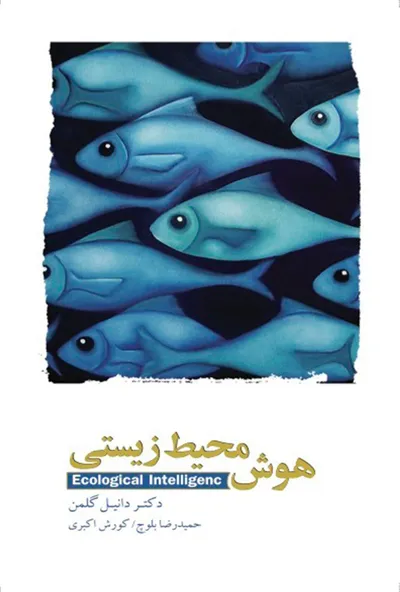
"Ecological Intelligence," by Daniel Goleman, the renowned author of "Emotional Intelligence," shifts his focus from understanding and managing emotions to the environmental consequences of human choices. In this book, Goleman asks what effect the goods we buy have on nature, human health, and the lives of workers before they reach us and after they are discarded.
The central point of the book is the overlooking of the "hidden costs" of goods in daily decisions. Using examples from cosmetics, sunscreen, clothing, and packaging, the author shows that a product's green or natural appearance does not necessarily mean it is harmless. He emphasizes the necessity of consumer access to accurate information about the production chain and the real impacts of each product.
Goleman introduces the concept of "radical transparency" as a path to change: a transparency that both makes consumer choice more informed and compels companies to reform product design, manufacturing, and distribution. On this path, "Life Cycle Assessment" is an important tool that examines a product's impacts from raw material extraction to the end of its life.