Why this book?
- To understand the difference between patriotism, nationalism, and republicanism.
- To read a philosophical and historical defense of civic love of country.
- To reflect on the relationship between freedom, the people, and political belonging.
- For those interested in politics, democracy, and the question of national identity.
About the book
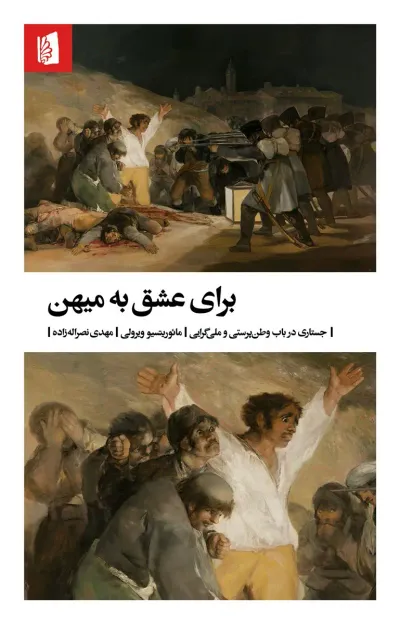
"For Love of Country" by Maurizio Viroli addresses two fraught concepts in the history of political thought: patriotism and nationalism. In this book, Viroli seeks to show that these two concepts, though sometimes used interchangeably in everyday language, are not historically and ethically the same. The patriotism he has in mind is a civic and republican love of the freedom and people of a land, not a blind worship of soil, past, or ethnic identity.
The central axis of the book is the distinction between liberal-minded patriotism and exclusionary nationalism. In Viroli's view, patriotism is linked to responsibility toward fellow citizens, public freedom, law, and the common good. Nationalism, however, can become a tool against freedom and the people by emphasizing ethnic superiority, past myths, enemy-making, and political obedience.
This book continues Viroli's concerns with republicanism, civil liberty, and the tradition of political thought. By referring to the history of Europe and America, he shows that love of country in the republican tradition is, more than a feeling of ownership over land, a kind of loyalty to shared freedom and the collective destiny of citizens. Hence, for him, country has no complete meaning without the people and without freedom.
"For Love of Country" is suitable for readers who want to understand more precisely the relationship between country, people, freedom, and political identity. Especially in an era when nationalism, xenophobia, extreme individualism, and social fragmentation have once again come to the fore, this book can open a path to thinking about a more humane and civic form of love for one's land.