Philosophy
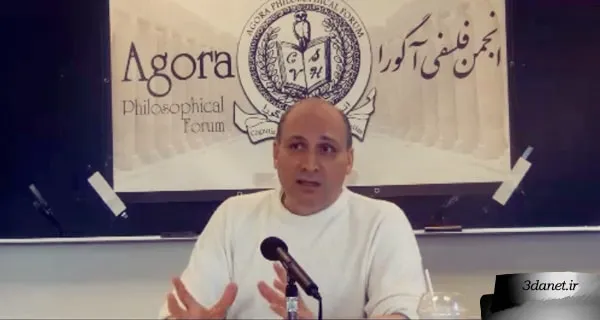
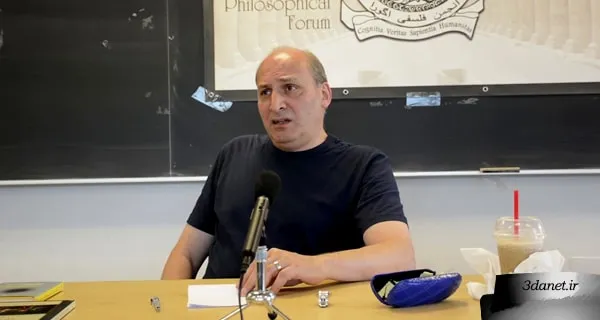
Lectures on Hannah Arendt by Ramin Jahanbegloo (Agora Philosophical Association)
Hannah Arendt is considered the most controversial political thinker of the twentieth century, one who defies easy labels. In a series of lectures for the Agora Forum, Ramin Jahanbegloo examines the concepts of politics and philosophy in Arendt's works, from The Human Condition to On Violence.
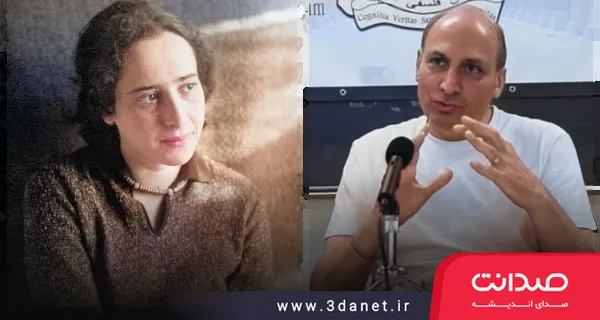
Hannah Arendt is the most interesting and controversial political thinker of the twentieth century. Among twentieth-century thinkers, few have subjected the traditional concepts of political philosophy to research, examination, and critique as Arendt has. Yet despite this, Arendt can hardly be considered a member of any particular school of thought, nor can she be labeled with a political tag such as liberal, Marxist, conservative, or anarchist. In this respect, the reader, upon reading Arendt's works, is unable to determine a specific political line for her. Interestingly, in some of her writings, Arendt defends council democracy, while in others, she references conservative thinkers like Edmund Burke. Similarly, she sometimes attends to the achievements of modernity, and at other times, as a critic of modernity, she stands alongside postmodern thinkers. In any case, however, Arendt is a thinker who, in all her writings, lectures, and conversations, focuses on the two concepts of politics and philosophy, and directs every moment of her life toward understanding and comprehending these two realms.
.
.
Session 1: Hannah Arendt - The Human Condition
Date: 26 May 2018
Pre-session reading: The first two chapters of The Human Condition | Link to the book in English
Download the full audio file of this session
Watch the lecture video for this session on YouTube
Watch the Q&A video, Part Three
.
Session 2: The Human Condition - The Vita Activa and the Modern Age
Date: 2 June 2018
Pre-session reading: Chapter Six (The Vita Activa and the Modern Age) from The Human Condition | Link to the book in English
Download the full audio file of this session Watch the lecture video for this session on YouTube Watch the Q&A video, Part One Watch the Q&A video, Part Two.
Session 3: The Human Condition – Irreversibility and Forgiveness
Date: 9 June 2018
Pre-session reading: Chapters 33 and 34 (Irreversibility and Forgiveness) from The Human Condition | Link to the book in English
Download the full audio file of this session Watch the lecture video for this session on YouTube Watch the Q&A video, Part One Watch the Q&A video, Part Two Watch the Q&A video, Part Three.
Session 4: Totalitarianism – A Classless Society
Date: 16 June 2018
Pre-session reading:Recommended Reading: A Classless Society, Pages 305 - 340 from Totalitarianism
Or read the chapter A Classless Society from the book Totalitarianism in Persian, pages 30 to 96
Download the full audio file of this session Watch the lecture video for this session on YouTube Watch the Q&A video, Part One Watch the Q&A video, Part Two Watch the Q&A video, Part Three.
Session 5: Hannah Arendt and the Foundations of Democracy in Iran
Date: 23 June 2018
Pre-session reading: Persian translation of the article Acting under Tyranny: Hannah Arendt and the Foundations of Democracy in Iran or English
Download the full audio file of this session Watch the lecture video for this session on YouTube Watch the Q&A video, Part One Watch the Q&A video, Part Two Watch the Q&A video, Part Three.
Download the full audio file of this session
Watch the lecture video of this session on YouTube
Watch the Q&A video, Part Three
.
Session 7: The Nature of Politics and the Revolutionary Spirit
Date: 21 July 2018
Pre-session reading: The final chapter (The Revolutionary Tradition and Its Lost Treasure) from the book On Revolution in Persian or English
Download the full audio file of this session Watch the lecture video of this session on YouTube Watch the Q&A video, Part One Watch the Q&A video, Part Two Watch the Q&A video, Part Three.
Session 8: Violence
Date: 28 July 2018
Pre-session reading: The book On Violence in English or a summary of the book in Persian
Download the full audio file of this session Watch the video of this session's lecture on YouTube Watch the video of the Q&A, Part One Watch the video of the Q&A, Part Two Watch the video of the Q&A, Part Three.
.
Lectures on Hannah Arendt by Ramin Jahanbegloo
Source: Agora website
.
.
Discussion0 comments
No comments yet; let yours be the first voice.