Philosophy
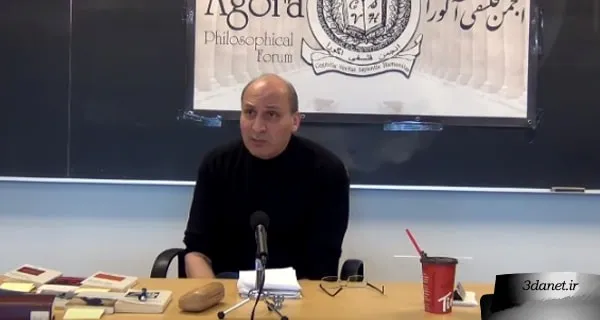
Lecture Series: 'Happiness, from Antiquity to the Present' by Ramin Jahanbegloo (Agora)
The thirteenth season of the Agora Philosophical Society's lecture series examines happiness from antiquity to the present day. Ramin Jahanbegloo and the speakers explore how philosophical schools, religions, and thinkers such as Russell and Ibn Arabi have approached the question of well-being.
Agora: In the thirteenth season of the Agora Philosophical Society's lecture series, we will address Happiness: from Antiquity to the Present, through the lens of philosophical schools and philosophers of various eras, in religions and faiths, as well as the reflection of the idea of happiness in literature and art.
Ramin Jahanbegloo: Happiness has often been posited as the ultimate end of human life. In this sense, happiness is the highest goal, distinct from the lesser aims of life (such as wealth and status). However, when we think about happiness, what awakens in our mind is the thought that we must consider fulfilling our wants and needs. But in reality, the complete satisfaction of wants and the gratification of desires does not necessarily mean attaining happiness and well-being. So how should happiness be described? Is happiness a utopia? Or is happiness, as the Greek philosophers thought, in virtue and in the pursuit of goodness and beauty? Some philosophers (like the Epicureans) saw happiness in pleasure, and others (like the Stoics) considered happiness to be in peace with the world and cosmopolitanism. But Schopenhauer is a philosopher who sees happiness in the negation of the will to life, and for Nietzsche, happiness has no meaning except through the affirmation of life, as celebration and intoxication. And of course, from the perspective of Abrahamic religions, happiness is the afterlife and salvation. But in a world like today's, where everything has a relative value and everyone has lost their meaning, is it still possible to discuss happiness? This is a question we will try to address, among other questions, in the new season of Agora.
.
.
Session One | Happiness in the View of Bertrand Russell
Watch this session's lecture on YouTube - Download this session's lecture audio
Watch this session's Q&A on YouTube - Download this session's Q&A audio
With Ramin Jahanbegloo
Date: Saturday, October 17, 2015
.
.
Session Two | Happiness in the View of Confucius
Watch this session's lecture on YouTube - Download this session's lecture audio
Watch this session's Q&A on YouTube - Download this session's Q&A audio
With Ramin Jahanbegloo
Date: Saturday, October 24, 2015
Please read the text for this session
.
.
Session Three | Happiness in the Teachings of the Buddha
Watch this session's lecture on YouTube - Download this session's lecture audio
Watch this session's Q&A on YouTube - Download this session's Q&A audio
With Ramin Jahanbegloo
Date: Saturday, 31 October 2015
Please read the text for this session
.
.
Session Four | Hegel's Philosophy of Right; Family and Ethical Life
Watch this session's lecture on YouTube - Download this session's lecture audio
Watch this session's Q&A on YouTube - Download this session's Q&A audio
With Ramin Jahanbegloo
Date: 28 January 2015
Please for this session Please study paragraphs 65 from the following chapter for this session
Abstract Right
.
Session Five | Happiness in the Teachings of Zarathustra
Watch this session's lecture on YouTube - Download this session's lecture audio Watch this session's Q&A on YouTube - Download this session's Q&A audio With Ramin Jahanbegloo Date: 14 November 2015 Please read the text for this session: The Hymns of Zarathustra The Gathas English Text.
.
Session Six | Happiness in Japanese Culture
Watch this session's lecture on YouTube - Download this session's lecture audio Watch this session's Q&A on YouTube - Download this session's Q&A audio With Ramin Jahanbegloo Date: 21 November 2015 Please read the text for this session.
.
Session Seven | The God of Lovers and the Dialectic of Affection in the Thought of Ibn Arabi
Watch this session's lecture on YouTube - Download this session's lecture audio Watch this session's Q&A on YouTube - Download this session's Q&A audio With J. D. Kamran Date: 5 December 2015 Kamran explains thus: In the theories of Ibn Arabi, the lover and the beloved have an ontological relationship. Hence, it is through love that the human being holds a special privilege in the amorous system of existence. In the ontological relations of love, love is the sole key to understanding humankind. For Ibn Arabi, love is beyond definition, and it is this very manifestation of love that equates it with existence. Love is experienceable, and therefore it is far from discussion and close to taste. Love is not the possession of an object, but rather an experience that constantly manifests in the nearness and distance of the lover and the beloved. Please read this text for this session by clicking on this line Please watch the video below.
.
Session Eight | Toleration and Social Happiness
Watch this session's lecture on YouTube - Download this session's lecture audio With Kourosh Shahram Date: December 12, 2015 English sources: Toleration in Plato's Philosophy Quotes from Karl Popper A short video in English by Erich Fromm titled Equality and Happiness Persian source: The Conquest of Happiness, a book by Bertrand Russell A video in German by Erich Fromm titled Modern Man and His Future Kourosh explains as follows: Man is an exile from paradise, whose eternal "happiness" was challenged due to his fascination with the "red apple of choice." On the other hand, man is a social being who finds his existence in the shelter of the "other" (society and other humans). To escape loneliness and nothingness, man takes refuge in the embrace of the "other." The same refuge that also entails the struggle to preserve one's individuality and identity against the "other." In the midst of this, and in this struggle, the concept of happiness and well-being takes on complex dimensions for man. Ignoring this complexity does not turn man's happiness and well-being into anything but a non-place. The question is, what kind of living, as a necessary condition for happiness, can create a balance between the individuality of the "I" and the "I"'s need for the "other." The question is, to what extent is the happiness of the "I" dependent on the happiness of the "other". From this perspective, speaking of the happiness and well-being of the "I" is also speaking of struggle, need, coexistence with the "other," and toleration The content of the discussion will include the following topics The psychology of modern man and the needs of today's human as necessary, but not sufficient, conditions for human happiness - Erich Fromm Toleration as a factor for balancing the relationship between individuality and the social need of humans Definition of toleration The views of Karl Popper (the paradox of tolerance), Gandhi, Goethe regarding toleration Toleration in Iranian culture and literature, a brief review of Rumi's poems regarding the importance of toleration for valuing the existence and nature of humans Ending the session with a short interview with Bertrand Russell and concluding on the role of toleration in the social happiness of humans ..
Session Nine | Socrates, Public Intellectualism, and Happiness
Watch this session's lecture on YouTube - Download this session's lecture audio Watch this session's Q&A on YouTube - Download this session's Q&A audio With Ramin Jahanbegloo Date: Saturday, January 9, 2015 In the ninth session, with Ramin Jahanbegloo, we will take a look at the relationship between happiness and the role of the intellectual in the public sphere, and Socrates as the manifestation of intellectualism in the public sphere Please read the following text, a part of Ramin's forthcoming book, for this session: Public Intellectual Happiness, Socrates as Philosopher-Citizen ..
Session Ten | Happiness and the Problem of Civilization
Watch this session's lecture on YouTube - Download this session's lecture audio With Ramin Jahanbegloo Date: January 16, 2015 In the tenth session, with Ramin Jahanbegloo, we will take a look at the relationship between happiness and civilization. Please read the third chapter of Freud's book Civilization and Its Discontents for this session: Civilization and Its Discontents ..
Session Eleven | Violence, Nonviolence, and Happiness
Watch this session's lecture on YouTube - Download this session's lecture audio Watch this session's Q&A on YouTube - Download this session's Q&A audio With Ramin Jahanbegloo Date: January 23, 2015 In the eleventh session of this season, with Ramin Jahanbegloo, we will take a look at the relationship between violence and happiness. Please read the following text for this session:http://www.mainstreamweekly.net/article2353.html
Also, please watch this video, which contains a discussion on the topic of violence in Iranian culture with the participation of Ramin Jahanbegloo. ..
Session Twelve | The Courage to Live
Watch this session's lecture on YouTube - Download this session's lecture audio Watch this session's Q&A on YouTube - Download this session's Q&A audio With Ramin Jahanbegloo Date: January 30, 2015 In the twelfth session of the happiness season, with Ramin Jahanbegloo, we will take a look at an existentialist interpretation of happiness in the thought of Paul Tillich, the German-American philosopher. The book The Courage to Be by this author is available in English at the link below: The Courage to Be by Paul Tillich ..
Session Thirteen | The Fragility of the Past and Decivilization: Can One Be Happy Without a Past?
Watch this session's lecture on YouTube - Download this session's lecture audio Watch this session's Q&A on YouTube - Download this session's Q&A audio With Ramin Jahanbegloo Date: 6 February 2015 In the thirteenth session, with Ramin Jahanbegloo, we will discuss the question of whether one can be happy without the past. Please read the following two articles by Ramin Jahanbegloo for this session; the articles are in English:Islamic Pluralists Must Show Their Face
ISIS's Destruction of Monuments Is a War on History That Mustn't Be Victorious
.
.
Session Fourteen | "Unamuno" and the Tragic Sense of Life
Watch this session's lecture on YouTube - Download this session's lecture audio
Watch this session's Q&A on YouTube - Download this session's Q&A audio
With Ramin Jahanbegloo
Date: 13 February 2015
In the fourteenth session, with Ramin Jahanbegloo, we will take a look at the existentialist thoughts of Miguel de Unamuno and his most famous book, The Tragic Sense of Life. The aforementioned book is available in English and Persian at the two links below
.
.
Session Fifteen | The Problem of Happiness in the Novel Madame Bovary
Watch this session's lecture on YouTube - Download this session's lecture audio
Watch this session's Q&A on YouTube - Download this session's Q&A audio
With Ramin Jahanbegloo
Date: 20 February 2015
In the fifteenth session, together with Ramin Jahanbegloo, we will take a look at literature and the novel "Madame Bovary" by Gustave Flaubert. If you have not read this novel, the Persian and English versions of Madame Bovary are available at the links below:
English version of Madame Bovary
Persian version of Madame Bovary
.
.
Sixteenth Session (Final) | Iran's Dreamer Cinema
Watch this session's lecture on YouTube - Download this session's lecture audio
Watch this session's Q&A on YouTube - Download this session's Q&A audio
With Aref Mohammadi and Ramin Jahanbegloo
Date: February 27, 2015
In the sixteenth and final session of this season, together with Aref Mohammadi, we will engage in a discussion about the reflection of the meaning of happiness among Iranians in Iranian cinema. Also, Ramin Jahanbegloo will speak on a panel regarding the question, "Are Iranians a happy nation?"
In connection with this session, Aref Mohammadi has recommended watching the film "Ganj-e Qarun."
.
.
Lecture Series: "Happiness, from Antiquity to the Present" by Ramin Jahanbegloo
Location: University of Toronto, OISE Building
Address: 252 Bloor Street West, Toronto, Canada
.
.


Discussion5 comments
ی ایراد دیگه هم امروز بهش برخوردم، جلسه دوازدهم هردوتا صوت مربوط به پرسش و پاسخ هستش. صوت قسمت درسگفتار جلسه 12م رو اگه مایل بودین پیدا کنید و از نو بارگذاری کنید.
عرض سلام و احترام اگر محیت کنید و صوت درسهای روانشناسی اخلاق آقای ملکیان را در سایت بگذارید به خیلیاز علاقمندان کمک خواهید کرد. اگر براتون امکانش هست، لطفا دریغ نکنید. با تشکراز شما و زحماتتون
سلام لطفا برای ما که فیلتر شکن نداریم و نمی توانیم به یوتیوب برویم، تسهیلاتی فراهم آورید و فایلهای تصویری را در سایت دیگری آپلود کنید مثلا در آپلود بوی یا مدیا فایر و .... تا فایل های تصویری را دانلود کنیم در ضمن در خصوص جلسه 15 فایل کتاب مادام بواری نسخه فارسی را اشتباه قرار داده و کتاب اونامونو قرار داده شده است
از مدیریت محترم سایت صدانت جهت اطلاع رسانی سپاسگزارم. ولی ای کاش خلاصه ای مکتوب از هر یک درس گفتارها نیز در اختیار قرار می گرفت
ااین کهدر دنیای امروز سخن گفتن از سعادت ممکن باشد یا نه حاوی تکنیکی روانشناختی است. پیش ا ورود به تبیین نویسنده چیزی را در ذهن مخاطب مینشاند بدون این که متوجه شود در اثر شنیدن عنوان چیزی را در نا خودآگاهش نشانده اند. مهم نیست که جهانبگلو خود نیز تحت تاثیر چنین تکنیک عنوان نویسی ای قرار گرفته باشد و یان . و این که خود خواسته و یا ناخواسته مخاطب را مجبور به تماشا از دایره تنگ چشمی شهرفرنگ نگاشته جهانبگلو نموده باشد. سعادت یا وجود دارد و یا نه، چه در دنیای امروز بتوان از آن سخن گفت یا نه. بگذارید کمی از داروی خود جهانبگلو به خودش بدهم! آقای جهانبگلو بیا با در جمع افراد اهل دل سعادتی را که راجع ّه آن دچار تردیدی با تمام وجود حس کن.