اندیشهفلسفهخردگفتگوحکمتمعناپرسشفرهنگ
Philosophy
Mostafa Malekian's Lecture: 'Varieties of Love and the Pathologies of Charitable Endeavors'
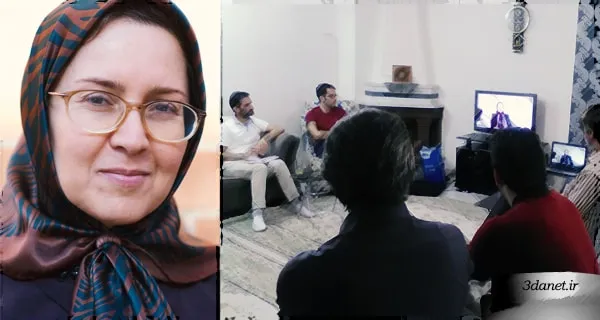
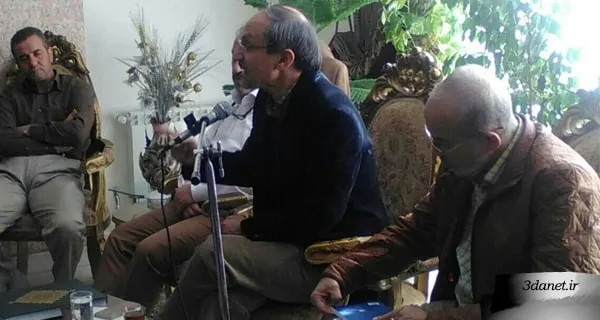
In his lecture 'Types of Love and the Pathologies of Charitable Work', Mostafa Malekian examined the nature of charity and six afflictions that beset it: from preserving the dignity of the needy and preventing dependency, to attending to the details of meeting needs and comparing the role of civic organisations with that of governments.
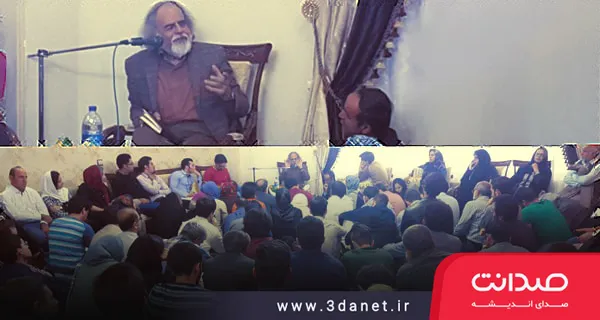
At the beginning of his lecture, Mostafa Malekian elaborated on the varieties of affection and kindness, and also briefly explained the types of love. Subsequently, given the venue of the talk—delivered at the Ghadir Charity gathering—he endeavored to examine the nature of “charity” and analyzed in detail six pathologies that afflict such charitable endeavors and NGOs. He stated that these six pathologies exist in all charitable and philanthropic activities and have not been eradicated to date, neither in theory nor in practice. The professor’s systematic and meticulous categorizations were as robust as ever in these matters. The points examined by the professor were roughly as follows: 1. The feeling of being patronized on the part of the recipient and the undermining of the needy person’s self-esteem. 2. The dependency and lack of independence of the needy person, both materially and psychologically. 3. The distinction between need and want, and the reminder to focus on needs in charitable affairs. 4. The direct, unmediated relationship between the recipient and the giver (creating a kind of affection and pleasant feeling for both parties). 5. Attention to the various dimensions of needs and not reducing the fulfillment of requirements to material matters such as clothing, food, etc.; addressing the need for affection, expressions of love, and so on. 6. Precision and a detail-oriented insight in meeting needs, which signifies intellectual closeness and valuing the needy person (his example was buying shoes: if a person wants to buy shoes for their child, they act with care, considering the child’s taste and temperament—in color, design, usage, etc.—which shows they are valued, but for a poor person, they simply donate a shoe!). Finally, he also pointed to the role of non-governmental and grassroots organizations in charitable affairs compared to the role of governments.
.
.
Audio of the Lecture: Varieties of Love and the Pathologies of Charitable Endeavors
.
.
Mostafa Malekian’s Lecture Titled “Varieties of Love and the Pathologies of Charitable Endeavors”
Mostafa Malekian | Ghadir Charity Society | October 28, 2016
Source: Telegram Channel of the Ghadir Charity Society Study Circle
Summary Author: Hooman Golmohammad
.
.

Discussion4 comments
سلام متاسفانه اکثر لینک های مدیا فایر خراب شده است. ممنون لطفا پیگیری فرمایید.
سلام و درود لینک اصلاح شد البته مدیافایر خراب نشده، فیلتر شده
مسئله عدم اعتماد (هم از نظر فنی و هم صداقت) کمک کنندگان به ngo ها و ngo ها به نیازمندان هم هست
سلام سپاس. نکاتی که درباره ی عوارض کارهای خیریه و به طور کلی احسان کردن بیان شد برای من تازگی داشت و تا جایی که با دوستان دیگر بعد سخنرانی چک کردیم در جای دیگری گفته نشده است. واقعاً ذهن استاد این قابلیتشان شگفت انگیز است که بدون موضوع تعیین شده ای به این شکل بتوانند در واقع فی البداهه سخنرانی ای با این عمق خوب داشته باشند هرچند البته این ویژگی ایشان اولین بار نیست که خودش را نشان می دهد. نکته ی جالب سوم اینکه نیاز به توجه نیازهای عاطفی فقیر استاد را به گریه واداشت. در کل جلسه ی پرباری بود توصیه می کنم صوت آن را بشنوید. موفق باشید.