Philosophy
Arash Naraghi's Lecture: “Love, Old Age, and Loneliness”
In “Love, Old Age, and Loneliness,” Arash Naraghi formulates the experience of loving in old age. Through a critical reading of contemporary Iranian culture and literature, he argues that love in old age is seen as undignified and shameful, even as the need for deep relationships grows.

A discourse by Arash Naraghi entitled “Love, Old Age, and Loneliness” on the experience of love in old age, dated 2 March 2023
Watch the lecture video on Aparat
Listen to the lecture on Anchor, Castbox, Spotify
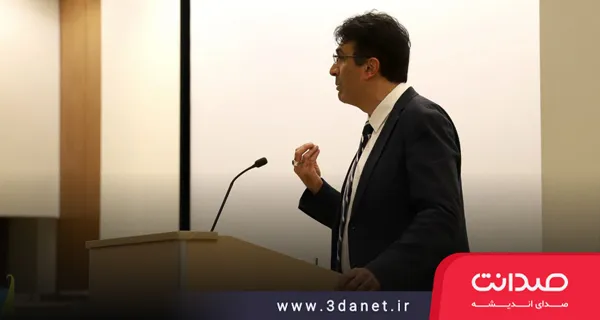
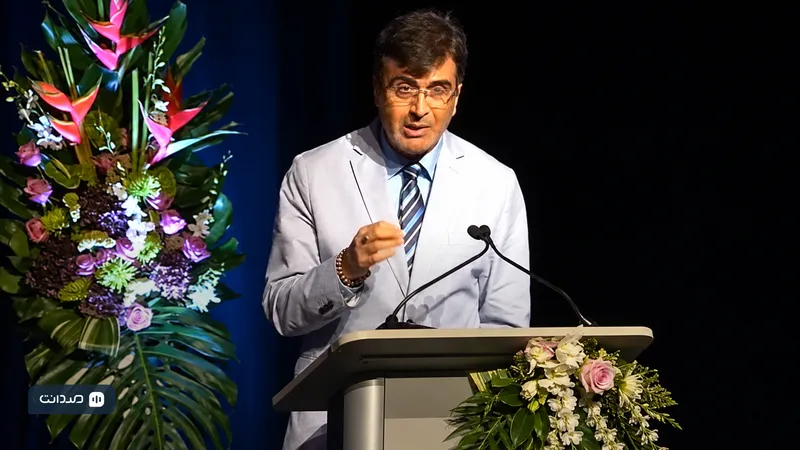
Abolfazl Rajabi (journalist for Ham-Mihan): Arash Naraghi, a philosophy researcher and professor at Moravian University in Pennsylvania, USA, made “Love and Friendship in Philosophical Thought” the theme of his lecture at the Tardid Virtual School. In his lecture, Arash Naraghi, by raising the three axes of “love, old age, and loneliness,” formulated the situation of the experience of love in old age and senescence, and in defense of this form of loving, undertook a critical reading of Iranian culture and literature. Naraghi believes that our general culture considers love in old age to be, in a sense, beneath the dignity, a source of shame, and contrary to the decorum and deliberation of the elderly individual. He also, by dividing loving into two forms, “surging” and “streaming,” considered surging love to be passionate and sexual, and streaming love to be concerned with companionship and conversation. Below, you will read a summary of this researcher’s discourse.
It seems that in our culture and literature, love, and especially romantic love, is not considered befitting for the elderly. Loving in old age is often regarded as a scandalous behavior that leads to a bitter end. On the one hand, it seems that upon reaching old age, we need deep human relationships, including romantic and intimate relationships with a beloved, more than at any other time, and on the other hand, our general culture considers love in old age to be, in a sense, beneath the dignity, a source of shame, and contrary to the decorum and deliberation of the elderly individual. Therefore, on one side, there is a personal need for intimate relationships in old age, and on the other side, a negative social valuation is assigned to this particular type of relationship. Emotional relations within traditionally defined frameworks are still respected, but when an elderly man falls in love in old age and wants to have a new romantic experience, something is presumed to be latent in this experience that is incompatible with the dignity, gravity, and deliberation of old age, and when it comes to women, a more severe and deeper shame and scandal is attached to it. These are parts of our general culture that the audience is more or less aware of. But to document my words, let me present some evidence from the history of our own culture that depicts the image of an elderly individual in a romantic experience in a somewhat negative light.
The shame of love in old age
Perhaps one of the best and most famous of these examples is the story of “Sheikh San’an and the Christian Girl” in Attar’s “The Conference of the Birds.” In it, a respected and dignified sheikh sees someone in a dream and falls in love, travels to Rum, and loses his heart to a Christian girl. This love ultimately humiliates, abases, and debases the venerable, esteemed sheikh, and his followers and disciples are deeply saddened by his pitiful state. Finally, through the prayer of one of his companions, the sheikh is saved from this affliction and trial, and the Christian girl dies. In this story, the romantic experience of the elderly sheikh is considered a disgraceful experience, a kind of affliction, illness, and madness, and it does not reach fulfillment, with one of the parties in the relationship dying in a pitiful manner. Attar’s sheikh intends to make spiritual use of this story and say that the love of this Christian girl stripped away the egoism and self-regard of this man of the path and provided him the possibility of ascending spiritual stations, yet the bitter image of this love in old age is deeply poignant. The elements Attar brings in describing these romantic relationships render this love very strange, superficial, naive, and simple-minded. An old man in a foreign land is bewildered and infatuated with a young girl, all he knows of her being the beautiful face that emerged for a moment from behind a veil. It is as if an inexperienced, callow youth whose heart is stolen by a single coquettish glance, ruining his life. Attar’s descriptions of this Christian girl are very strange and superficial, and absolutely no description is given of what features or form this beautiful girl possessed, nor is there anything substantial or compelling about the situation and relationship of the two. The descriptions of this girl’s beauty are romantic, idealized, and devoid of content. At most, we understand that she had beautiful eyes and arched eyebrows. In a sense, these descriptions provide no information about this girl’s humanity, her habits, thoughts, or even her physical form, and drown the audience in bombastic, grandiose rhetoric without any content being grasped. This story, with this particular character, has been a source of inspiration, and many of our poets and mystics have seen points within it. Hafez is probably referring to this very story when he says, “In my old age, a youthful love has befallen my head / And that secret I had hidden in my heart has come out…” Here too, when the love of the elderly is spoken of, the matter ends in blood, bloodshed, calamity, and disaster. Some interpret this “In my old age, a youthful love has befallen my head” as meaning the love of a young person has befallen an old head, but I believe this refers to the kind of love that young people experience. Thus, it seems that for Hafez as well, loves in old age are accompanied by a bitter and unpleasant experience, and a kind of shame is hidden within them. Regarding elderly women, the issue is intensified. It is as if women have no right or capacity for love, especially when they grow old. One of the ugliest and most pernicious stories in Rumi’s “Masnavi” is a story from its second book that shows our ugly, negative, and unethical view of elderly women, and that is the story of a young man who murders his mother, and when asked the reason for this ugly deed, he says this earth is her fault-concealer, and so that my hands would not be stained with the blood of her lovers, I drew the knife across her throat. Of course, Rumi here has made the mother a symbol of the carnal soul, but the conception present in this poem is noteworthy and indicates the disgrace associated with the relationship of an elderly or middle-aged woman with a lover or sexual partner. So disgraceful that, in the eyes of a man like Rumi, the killing of this mother by her child was something completely understandable and justified, as if a kind of clever subtlety is hidden in this story. Whereas what we see in this story is nothing but a kind of moral cruelty and interference in the affairs of an elderly woman. Apart from the problematic nature of sexual relations in our past public culture, the idea of a middle-aged or elderly woman having sexual partners was considered catastrophic. Therefore, two points are noteworthy here: it is as if love in old age, love in the period of old age, especially regarding women, has been accompanied by a kind of shame in our past culture and literature. The idea that women have sexual desire and can and have the right to enter into sexual and romantic relationships was indigestible. In this story of Rumi, it is as if this woman has no dignity other than being a mother, neither as a human being nor as a woman. Also, the mother in sexual relations is something disgusting.
Cicero and the Opposition to Love in Old Age
Among those who try to show why love in old age is unseemly or undesirable is Cicero, the renowned Greek sage and philosopher. He believes that the weakness in lovemaking, the absence of sexual and romantic relationships in old age, is actually one of its blessings. He says that when you become entangled in these physical, carnal, and pleasure-seeking tensions, the power of your logic and reason is impaired, and it is indeed our good fortune that in old age the temptation to immerse oneself in physical and carnal pleasures and to become entangled in romantic loves slackens, and this is one of the reasons to praise old age. Cicero relates somewhere: "When someone asked the aged Sophocles whether he still engaged in the pleasures of the body, he replied, 'Heavens, no! I have gladly escaped from that savage and frenzied master.'" Why is this so? Cicero gives two reasons: first, that these pleasures are not very important, and second, that in old age one does not derive much enjoyment from them anyway. In sum, in his interpretation, in old age, when the struggles related to sexual relations, rivalries, conflicts, and the passions accompanying romantic loves subside, the human soul returns to its inner life and its state and mood improve. Thus, in a way, breaking away from these relations is a sign of spiritual maturity and creates space in the individual's soul and psyche for spiritual growth.
Feminist Critiques of Love in Old Age
Feminists also have critiques of loves in old age. In love in old age, often a man who has lived with a woman for years, in the stage of old age and middle age, abandons the woman and goes after a younger woman. This was also one of the readings of Hafez's poetry. Here, there is an age gap between the middle-aged or elderly man and a young girl. Of course, in the structure of a patriarchal society, it is men who, by virtue of access to wealth, power, and status, possess attractions and can draw younger women to themselves. Therefore, after a while, they abandon their middle-aged wife, who has lost her youthful freshness and tenderness, to establish romantic relationships with a younger woman. Thus, feminists also consider loves in old age, especially when a middle-aged or elderly man and a young woman are involved, worthy of reproach, because it demonstrates men's exploitation of their status and power in a patriarchal system. Of course, it is not clear to what extent this criticism is valid. In a patriarchal society, this inflicts a double suffering on the rejected woman. On the other hand, in modern societies, as women gradually attain political and social status, power, and wealth, this desire also forms in middle-aged and elderly women to choose younger, new sexual and romantic partners for themselves. Therefore, I am not sure that an age difference in and of itself and under ideal conditions is a problem, because the emotional and sexual partners are sufficiently mature and can get along despite the age difference. Of course, in the context of a patriarchal society, the scales usually tip in favor of men rather than women. In any case, in Islamic culture, there are also examples of women who married young men. Khadija, the wife of the Prophet of Islam, possessed social status and economic power, and the Prophet of Islam was a young man among her employees. This woman liked this young man, found him to be a mature and trustworthy man, proposed marriage to him, and they married. The age difference itself is not a problem. Today in Hollywood cinema, the issue of love among the elderly is also gradually becoming a subject that has found a market.
A Paradox
اما چرا تجارب عاشقانه در دوران پیری جذابیت و اهمیت مییابد؟ به نظرم یکی از دلایل این امر این است که وقتی فرد به دوران سالخوردگی نزدیک میشود به یک معنا به نوعی انزوا دچار میشود. برای مثال ضعف و بیماری ملازم با دوران پیری تا حدی امکان فیزیکی مشارکت در جمع را محدود به حلقه افراد بسیار نزدیک میکند و با دشوار کردن مردمآمیزی برای فرد، به انزوای او میانجامد. بعد از مدتی بهناچار بازنشسته میشوید. یکی از دلایل آنکه کمتر احساس تنهایی نمیکنیم، شغلمان است، بهخصوص اگر به این شغل علاقهمند باشیم. به محض اینکه از این شغل بازنشسته میشوید، نه فقط آن اشتغال خاطر را از دست میدهید، شبکهای از مناسبات انسانی و اجتماعی ملازم با آن شغل هم تا حد زیادی از دست میرود. بنابراین، این ضعفها بهنوعی انزوا منتهی میشود. محدودیتی در لذتهای تنانه هم به وجود میآید، فرد دیگر نمیتواند برخی غذاها را بخورد، توان جسمی برخی خوشگذرانیها را ندارد، میل جنسی او تاحدی فروکش میکند، نزدیکی مرگ اولویتهای او را تغییر میدهد و در غیاب نیروهای برانگیزانندهای که او را از پیری بیرون میآورد، تجربه نزدیکی مرگ او را بیشازپیش در پیله تنهایی خودش فرو میبرد، چراکه مرگ از تجاربی است که فرد به تنهایی آن را تجربه میکند. تنها میمیریم و وقتی کشتی مرگ به ساحل زندگیمان نزدیک میشود رفتهرفته گویی باید آماده بشویم که خود به تنهایی بر این مرکب چوبین بنشینیم و سفر کنیم. خود این به یک معنا فرد را در آستانه یکی از دلهرهآورترین تجارب زندگیاش بیپناه و تنها مینهد و بر حس تنهایی او میافزاید. در این شرایط معقول است که فرد از مصاحبت با دوستان، از همنشینی دلنشین با محبوب لذت ببرد. دستکم یکی از داروهای تنهایی همین مصاحبتها صمیمی و نزدیک است. وجود و حضور کسی که تو را در موقعیتهای بینقاب زندگی ببیند و بپذیرد و محبتش را نه از سر ترحم که از سر احترام و سابقه اُنس نشان بدهد. بنابراین، طبیعی است که فرد با پا گذاشتن به میانسالی و سالخوردگی نیاز به مصاحبت با دیگری و روابط عمیق، نزدیک و عاطفی با دیگری را بطلبد. اما از طرف دیگر به نظر میرسد که در فرهنگ عمومی ما اینکه فرد سالخورده از پی عشق برود و تلاش بکند برای دوران تنهایی خودش شریکی بیابد، چندان مطلوب تلقی نمیشود. سوال من این است که چرا این پارادوکس وجود دارد؟ از طرفی نیاز بنیادین ما به برخورداری از این نوع روابط عمیق انسانی در دوران پیری و از طرف دیگر فرهنگ آفریده و دستساخته خودمان این نوع روابط را در سالخوردگی خلاف وقار و شئون میداند. دستکم یکی از پاسخهایی که به این وضعیت کموبیش پیچیده و بغرنج به این بر میگردد که عشق را میتوان به دو نوع دید.
دو شیوه عشق: «رمئو و ژولیت» و «آنتونی و کلئوپاترا»
A Western scholar, in analyzing Shakespeare's plays, points to two of Shakespeare's romantic plays: one is Romeo and Juliet and the other Antony and Cleopatra. He shows how these two stories differ. There are important differences between the romantic experience of Romeo and Juliet, who are in their adolescence, and that of Antony and Cleopatra, who are in their maturity, both emperors ruling a land, and who, in addition to their romantic relationship, share in the governance of a realm. He contrasts these two models of loving in Shakespeare's works and shows that the image Romeo and Juliet have of each other is an idealized one, devoid of concrete details and stripped of the conflicts, shortcomings, and hardships of everyday life; on the other hand, the relationship of Antony and Cleopatra is entangled with concrete daily matters. Ultimately, the point is that in Antony and Cleopatra, you encounter a mature love between two adults who enjoy life. In contrast, Romeo and Juliet presents an image of a raw, adolescent love. For example, in Romeo and Juliet, you never see the two of them eating anything or joking with each other. But Antony and Cleopatra are eating throughout the entire play and constantly engage in specific, mature, and sophisticated jokes and banter with one another. There are even moments where Antony makes Cleopatra laugh and delights her by mocking her and pointing out her weaknesses. Yet you do not see this kind of flirtation in Romeo and Juliet; these two have no passion and do nothing. It is as if they live in an ethereal state, with everything provided for them from the outside. But Antony and Cleopatra both work and are involved in running an empire. Romeo and Juliet are completely absorbed in one another and pay no attention to their surroundings, as if no other people exist around them and it is just the two of them. But Antony and Cleopatra constantly talk behind others' backs and observe strange scenes in the street and society, and others are a part of... them. It is not as if they have built a private retreat for themselves and banished others from it. Their experience is formed within the texture of daily experience. Romeo and Juliet speak about each other only in the form of exaggerated, worshipful phrases. But Antony communicates with Cleopatra through barbs and irony, even about her age. It seems Romeo and Juliet are completely unaware of the fact that people have weaknesses and flaws, and that real love is formed by recognizing these vulnerable points and treating them with tenderness. But the love of Antony and Cleopatra is not like this; they know full well that they are not perfect people and openly point out each other's flaws and weaknesses, and while they use those vulnerable points as material for humor and jest, they touch them with gentleness and tenderness. Therefore, when you deal with Romeo and Juliet, in adolescent loves everything seems ethereal and unreal, but in Antony and Cleopatra, everything is earthly and concrete. In Attar's descriptions of Sheikh San'an and the Christian girl, the elements of an adolescent love are completely visible. It is as if two adolescents have become entangled in this relationship. The maturity and ripeness present in the relationship between two adults who have experienced the vicissitudes of life is absent in this work. Suddenly, an old man sees a girl for a moment, loses his heart, and makes completely idealized and heavenly descriptions of that girl, as if the world consists only of these two and everything revolves around them. But in more mature loves, individuals are present with more calmness and experience, and instead of being utterly absorbed in one another, they spend moments of their time together, then go off to attend to their own work and life, and then return to each other again.
Passionate Love, Emotional Love
This kind of contrast points to the important fact that the diversity of love must not be overlooked. The interpretation I prefer to use is the difference between tidal love and stream-like love. Tidal love is the adolescent, Romeo-and-Juliet type of love, while stream-like loves are the more mature loves you see in the relationship of Antony and Cleopatra. Tidal love is more passionate and sexual, but stream-like love is more about companionship. In tidal loves, sexual passion, attention to the body, and the pursuit of sexual pleasure play a large role, but in stream-like loves there is calm and tranquility, and companionship is more important than sexual pleasure. Tidal love seeks the excitement of being together, and stream-like love is the experience of peace in the presence of another. For this reason, many analysts consider tidal loves to be more of the nature of excitement and desire, and stream-like loves to be of the nature of affection, which is a more complex matter and has more cognitive aspects. Tidal love is intensely stubborn and pays no heed to external evidence and indications. It seizes upon a beloved, and whatever one is told—that this beloved is not suitable and has flaws—the lover is blind to the beloved and holds an idealized or imaginary image of them, and in this sense is stubborn; that is, in the face of negative evidence, it stubbornly resists. But stream-like loves are more flexible; that is, the individual firstly has awareness and acknowledges that neither they nor their partner are perfect. In many cases, evidence supporting the romantic relationship is important to both parties; meaning that when this evidence is lost and contrary evidence appears, individuals are prepared to reconsider the level and nature of their relationship to a great extent. In tidal, Romeo-and-Juliet love, the lover's entire thought and imagination is focused on the beloved at every moment of the night, and there is a kind of obsessive concentration or attention on the beloved. But in stream-like loves, the lover and beloved have their own work and lives, yet they spend pleasant times in each other's company. Tidal love brings more euphoria. The subject of most Hollywood and Bollywood love films, and Turkish series with pop music, is precisely this tidal love. But stream-like loves are less excitement-generating and seek tranquility more. Tidal loves are exclusivist, but stream-like loves are more open. In tidal loves, the lover's attention and concern for the beloved is not necessarily for the sake of the beloved themselves. In tidal loves, there is an attachment to the beloved because ultimately some pleasure and benefit accrues to the individual, and of course, reciprocally, it is possible that this individual may also bring them pleasure and benefit. But the happiness and well-being of that person has intrinsic importance; that is, you desire happiness for them for their own sake, not that you seek their happiness for your own interests and satisfaction. Of course, both are love, and in stream-like loves too there is a kind of closeness, intimacy, and physical and emotional confidentiality, and shared practical life. In tidal loves, physical attractions are sufficiently passionate and arousing, and maturity and complexity of personality are not very necessary. In the story of 'Sheikh San'an and the Christian Girl,' we hear that the girl is spiritual and full of knowledge, but we see nothing of these qualities. What fascinates Sheikh San'an is not that knowledge, but her face. But in stream-like loves, it seems that ripeness, maturity, and life experience are important. A person chooses someone for partnership who has a certain level of ripeness and maturity. This is not necessarily tied to age; this type of relationship is also seen among young people who have reached a degree of maturity and ripeness. There are also elderly people who never attain maturity and ripeness. But tidal loves are formed more around passionately arousing physical attractions, and in stream-like loves, the power of good and stimulating conversation and experiencing it together is important. Therefore, tidal loves are, in a sense, not reasoned but rather caused. It is not the case that a long companionship has occurred and as a result, familiarity and attachment have been created; something is glimpsed in the other in an instant and love is born, like the love of Sheikh San'an. In tidal loves, there are exaggerated, unrealistic, and idealized images of one another, and they do not see each other's flaws or they plaster them over in a wrapping of fantastical exaggerations. But in stream-like loves, the lovers accept one another in their real, imperfect form, and there is no trace of those ethereal, bombastic, and empty descriptions, like those of Attar. The grief of losing the beloved in stream-like loves is much deeper and more lasting than the grief resulting from losing the beloved in tidal loves.
Perhaps one reason for this is that stream-like loves mostly occur in middle age; that is, it is mainly in middle age and old age that a person has the maturity to accept and shape such relationships, and there, when you find intimacy with someone and form these dear and precious bonds, losing them means losing your last opportunities to shape deep human relationships. It may well be that this unique opportunity never comes again in the remainder of your life.
Love and the Requirements of Age
Perhaps the tragic aspect of the story of Sheikh San’an and the youthful love that Hafez recounts in his old age, deeming it blood-soaked, is precisely the experience of torrential loves in one’s later years. “Shohar-e Ahu Khanom” is also a man who, in middle age, falls into a torrential love. Perhaps the tragedy of loves in old age is that individuals experience youthful love. Torrential or youthful loves are more compatible with the spirits and physical conditions of the young than with those of middle-aged and elderly individuals. Of course, all human beings, regardless of age, gender, and orientation, have the right, capability, and capacity for romantic experiences, although love and romantic experiences are neither a necessary condition for human happiness and felicity, nor a sufficient one. However, it can significantly reduce the volume of our loneliness, especially in old age, and enhance our physical and mental health. As a general rule—which, like any general rule, has exceptions—every age requires a love suited to it. Particularly when middle-aged or elderly individuals experience youthful, torrential loves, they should expect that such loves will not necessarily be entirely compatible with their capabilities and mental and emotional states at that specific juncture. The love that brings happiness and peace to older and elderly individuals is more of the stream-like variety. A love that, rather than seeking the pleasure of being with another’s body in a sexual sense, seeks the pleasure of being with another’s body in the sense of tranquility in their presence. Therefore, it is entirely predictable that the passionate, sexual loves of youth would not hold much appeal or suitability for elderly individuals whose sexual passion has more or less subsided, who lack the stamina for the revelries of youth, and whose age-related limitations have cautioned them against many collective activities; and if such a love does occur, it will not last long, unless it gradually transforms into the experience of a stream-like love. Of course, stream-like loves do not always necessarily pass through the channel of torrential loves, and sometimes individuals directly move towards the successful experience of stream-like loves. Thus, stream-like loves, in the pleasant companionship of a mature and experienced individual who knows the value of a good conversation and wants you for your own sake, are far more delightful and fill the solitude of one’s private world more richly in the days of tranquility and reflection in old age.
Let Us Learn from Rumi’s Bad Story
To all this, let me add that middle-aged and elderly women have just as much right and capability as men to love, make love, and enjoy their bodies and the companionship of a sexual and romantic partner. The ill-tempered, base-natured young man in Rumi’s story must learn that his mother’s romantic affairs are none of his business, and instead of self-centeredly and cruelly drawing a knife across his mother’s throat, he should know that his mother, before being his mother, is a woman and a human being, and this woman has every right to experience the passion and zest for life in her life. Children must recognize this passion and zest in this woman and respect her choice. So, in my opinion, from this bad story of Rumi, we should learn this good point: that everyone, including our mothers, are human beings and have the right to enjoy their bodies and the companionship of a pleasant and delightful person for themselves, and our duty is to set aside our false jealousies and recognize this right for others to continue their romantic experiences as much as they can.

Discussion3 comments
موضوع عشق در جوانی و پیری خیلی خوب از سوی آقای نراقی واکاوی شده ،همانطور که آقای نراقی میگویند موضوع اختلاف سن بین عاشق و معشوق ( یک پیر و یک جوان) بصورت فرهنگی در اذهان ما از همان ابتدا یک امر منفی در نظر گرفته می شود درصورتی که ماهیت این عشق است که باید مورد توجه واقع شود نه اختلاف سن
بهتر نبود درباره اثر اجتناب ناپذیر زمان بر اقتصاد و کسب و کارها بحث میشد... مشکلات امروز ما این است که عده ای در پس پشت اعتقادات دینی و اقصتصاد زمان ظهور آن دین ، میخواهند اقتصاد امروز جامعه را رتق و فتق کنند... اقتصاد چپ گرا که حاصل تاثیر زمان بر کسب و کارهاست ، مورد غضب قرار میگیرد...هر نوع و نتیجه ای از آنرا تکفیر میکنند...
گمونم اشتباهی کامنت گذاشتید. گفتگو در مورد عشق و عشق پیری هست. شما می فرمایید چرا از اقتصاد چپگرا صحبت نمیشه؟؟؟!!!