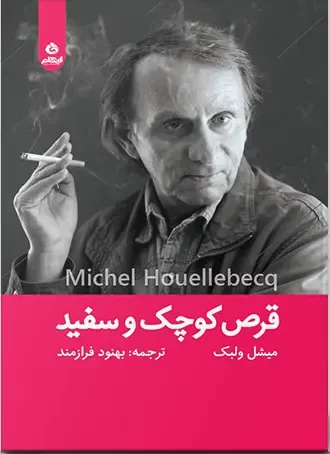
Why this book?
- Offers an honest, unflinching portrait of depression and loneliness in the modern Western man.
- Ties the narrator's personal crisis to the social crisis of French farmers and the Yellow Vests movement.
- A prime example of Houellebecq's style: cold prose, bitter humor, and a merciless view of consumer society.
- Raises a serious question about the failure of science and medicine to fill the void of meaning in modern life.
- One of the works that anticipated today's political turmoil in France.
About the book
"The Little White Pill" follows Florent-Claude Labrouste, a 46-year-old agricultural engineer living in Paris who has grown disgusted with his job, his relationships, and life itself. He manages his depression with an antidepressant called Captorix, which in turn strips him of his sex drive and his ability to feel pleasure. After separating from his girlfriend and resigning from his job, Labrouste retreats to Normandy to spend his solitude reliving lost loves and past failures.
Alongside this personal collapse, a social story unfolds: Aymeric, a friend from Labrouste's youth, is a dairy farmer who loses everything under the pressure of global markets and European policy, and turns to violent revolt — one that recalls France's real-life Yellow Vests movement. By weaving personal suffering into social suffering, Houellebecq turns one man's depression into a portrait of a civilization's depression.
The title refers both to a pill that regulates serotonin levels and, metaphorically, to a person who suppresses his emotions through medication, consumption, and media. Continuing Houellebecq's lifelong preoccupation with loneliness, alienation, and the crisis of masculinity in the modern world, this novel stands among his bleakest and most honest works — essential reading for anyone interested in contemporary French literature and serious social critique.