Philosophy
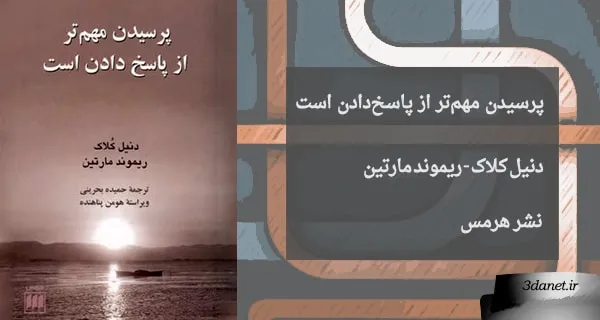
Introducing the book “Asking Is More Important Than Answering”
Philosophy is not a body of information but a practice of questioning and reasoning. The book Asking Is More Important Than Answering seeks to free students from the grip of ready-made answers so they may experience the wisdom born of not-knowing.
When we were children, we asked our childish questions with complete candor: Where did we come from? What is the purpose of our lives? What kind of world is this we live in? What happens to us after death?
Socrates was a philosopher through and through. He knew only this much: that he knew nothing. But he also possessed the art of showing others that they too, for all their subtlety, erudition, and pretension, knew nothing.
Relying on philosophy, Socrates questioned everything, even the very assumptions upon which he had previously questioned everything! He—like any true philosopher—shows us, through philosophy, how to pull the rug out from under our own feet and move past the answers that stand as a barrier between us and the mysterious.
We invite you to the world of philosophy, but in the Socratic manner; in this way, you relinquish your answers to problems so that you may finally experience the wisdom that is the fruit of not-knowing.
Many turn to philosophy with the mistaken notion that it is nothing more than a body of knowledge, and rather than thinking independently for themselves, they wish to collect information. Such people often think they already know the answers to the questions that philosophers want to ask again in a different form. This is why philosophers frequently complain that their students have neither the motivation nor the readiness to grapple with the material of introductory philosophy courses.
Our aim in the book Asking Is More Important Than Answering is to solve this problem, namely the lack of motivation and readiness. And more than just talking about it, we will practically demonstrate that philosophy is not a collection of information but rather questioning and rational inquiry. To this end, we draw students' attention to the skills needed for a critical engagement with the material typically presented in introductory philosophy courses. But most importantly, we aim to free students from the captivity of ready-made answers so that they may then become prepared to create new concepts.
.
.
Book Chapters
A Word to the Reader
Beginning Remarks
Introduction
1. Where?
2. When?
3. Who?
4. Free Will
5. Knowledge
6. God
7. Reality
8. Experience
9. Consciousness
10. The Cosmos
11. Death
12. Meaning
13. Ethics
14. Values
Concluding Remarks
.
.
The Book Asking Is More Important Than Answering
Author(s): Daniel Kolak - Raymond Martin
Translator: Hamideh Bahreini
Publisher: Hermes
Number of Pages: 198 pages
Binding: Paperback
.
.




Discussion0 comments
No comments yet; let yours be the first voice.