Philosophy
Lectures on German Idealism by Seyed Hamid Talebzadeh – First Semester
German Idealism, from Kant to Hegel, articulates the reality of the modern world, and understanding it is essential for grasping our times. Talebzadeh's lecture series examines this movement and Kant's metaphysics through a comparative approach.
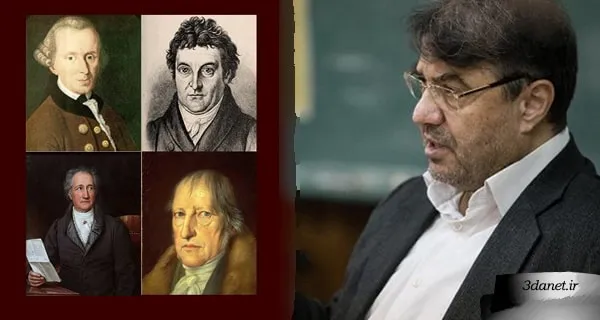
German Idealism is the name of a movement in German philosophy that began in the 1780s and ended in the 1840s. The most famous representatives of this movement are Kant, Fichte, Schelling, and Hegel. Although there are great differences among these figures, they all share an adherence to idealism.
German Idealism, contrary to its name, expresses the reality of the modern world. The philosophers of this period in the history of thought flew like the owl of Minerva over the ruined wreckage. In an era when reality had been rendered inaccessible by Hume and the metaphysics of the past could no longer answer the new questions being raised, the world of thought required a new design for its own survival. A design that began with Kant, who built its main pillars. In this new design, Kant, by moving beyond the metaphysics of the ancients, constructed a new metaphysics. In this view, the issue was no longer the correspondence between the external world and the mind; rather, the subject, according to its own possibilities, intuits the external world itself. This design was developed by Fichte and Schelling, the element of the subject and the transcendental I was nurtured within it, and it reached its zenith with Hegel.
To understand the age in which we live, an understanding of German Idealism is essential.
The lectures on German Idealism are the first-semester lessons of Dr. Seyed Hamid Talebzadeh at the Supreme Council of Islamic Wisdom in Qom in 2010. Dr. Talebzadeh's specialization in both Islamic and Western philosophy, and the venue of the lectures, have opened the door to many useful comparative discussions.
.
.
Lectures on German Idealism - Session 1
Lectures on German Idealism - Session 2
Lectures on German Idealism - Session 3
Lectures on German Idealism - Session 4
Lectures on German Idealism - Session 5
Lectures on German Idealism - Session 6
Lectures on German Idealism - Session 7
Lectures on German Idealism - Session 8
Lectures on German Idealism - Session 9
Lectures on German Idealism - Session 10
Lectures on German Idealism - Session 11
Lectures on German Idealism - Session 12
.
.



Discussion7 comments
ایشان در جلسه اول و دوم با قاطعیت و تأکید میگویند قضیه علمی، "قضیه حقیقیه" است! که باید کلیت و ضرورت داشته باشد، و گرنه علم نخواهد بود!!. مرادشان هم علم تجربی است نه ریاضی و... . مثالهایشان واضح است. بنگرید به مقدمه عالی دکتر سروش بر کتاب "مبادی مابعدالطبیعی علم نوین" ،که به درستی و مستدل تبیین کرده اند که ما در علم با قضیه حقیقیه سروکار نداریم و تمام قضایای علمی، قضیه خارجیه اند، یعنی قوانین این جهان را بیان میکنند و نه هر جهان ممکنی را این مدعا از اقای طالب زاده برایم عجیب بود!
این دروس که از خود متون انگلیسی استخراج و توضیح داده شده، تا حدود زیادی واقعیت و مقصود فلسفه غرب را بروشنی بیان میکند و تازه مشخص میشود اساتید دیگر فلسفه غرب به اندازه ایشان به خود متون فلاسفه غرب رجوع نکرده اند . تسلط ایشان به متن انگلیسی و درک و فهم این متون واقعا قابل تحسین است .
شاهکار.تشکر از جناب امیر احمدی برای انتشار این مجموعه ارزشمند. کاشکی درس های جناب طالب زاده بیشتر بار گذاری شود. این دوره ادامه هم داشته در مدرسه عالی حکمت؟
با سلام اول اینکه چرا نظر هایم را درج نمی کنید دوم آیا این درس گفتارها ادامه داشته ؟
با سلام به نظر من این درس گفتارها اتفاق بسیار مهمی است در قلب تفکر سنتی ماکه در شهر قم مستقر است من فکر می کنم که مدتی گذشت زمان لازم است تا این اتفاق کاملا هضم و جذب شود
با سلام به نظر من این درس گفتارهای دکتر طالب زاده از اهمیت بسیار زیادی برخوردارند و اتفاق خیلی مهمی در فلسفه ی معاصر ایران هستند که آثارش در آینده خود را نمایانگر خواهند ساخت به خصوص در حوزه ی فلسفه ی اسلامی معاصر که سالهاست در جا می زند !
بسیار عالی تسلط ایشان خیلی زیاد است با تشکر فراوان از شما