Philosophy
Philosophy and Theology: Have We Understood the West One-Sidedly?
A panel on “Philosophy and Theology” examined the relationship between the two fields and Iran’s understanding of the West. Najafzadeh argued that theology and reason are independent, while Ebrahimi contended that Iran has only experienced the disciplinary side of modernity, and that freedom is the missing dimension in our understanding of the West.
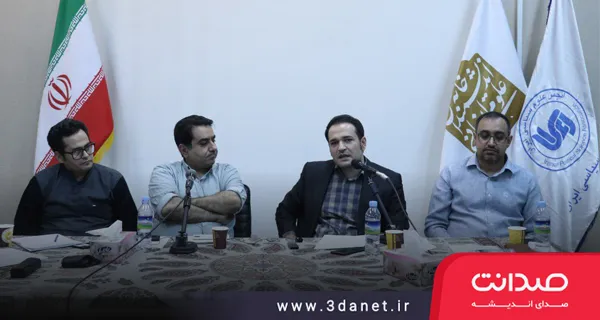
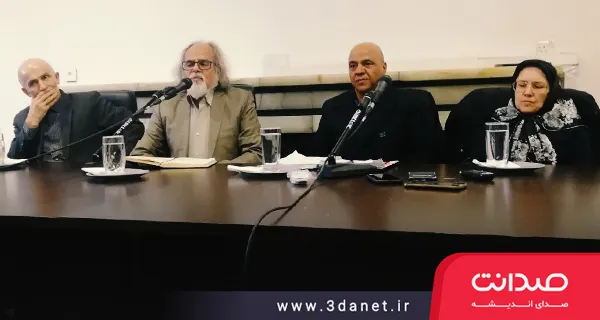
The meeting “Philosophy and Theology: Have We Understood the West One-Sidedly?” was held in collaboration with the Political Science and Sociology Associations of Shahid Beheshti University, with the participation of Zaniar Ebrahimi, Masoud Azarfam, Behnam Joudi, and Reza Najafzadeh, on Wednesday afternoon at the House of Humanities Thinkers.
Download the audio of this meeting
The Relationship Between Philosophy and Theology
At this meeting, Reza Najafzadeh, a faculty member at Shahid Beheshti University, delivered a speech on the topic of “The Relationship Between Theology and Philosophy.” He said: The reading of epistles such as those of Saint Paul creates a kind of liberation theology in the early church period, because Paul, in his Letter to the Romans, sets a faith-centered political theology (theology of love) against a law-centered political theology (or theology of torture and suffering). Another great thinker who pondered the relationship between philosophy and theology is Spinoza. In chapter 15 of his treatise “Theologico-Political Treatise,” he says: neither is theology subordinate to reason, nor is reason subordinate to theology. Spinoza strives to prove the validity of the Holy Scripture. The construction of the text is important to Spinoza. He emphasizes the time and context of the text’s construction, and another issue for him is the audience of the sacred text.
Najafzadeh added: Another important point is Spinoza’s emphasis on the will to power. He ultimately says that neither should theology be subordinate to reason, nor reason subordinate to theology; rather, each has its own independent and separate domain. The task of theology is to call for obedience and piety, and the task of wisdom is to discover truth. These two do not struggle against each other and must merely pave the way for human salvation.
The faculty member of Shahid Beheshti University said: On the whole, from Saint Paul to Spinoza, it is as if a convergent tendency protests against the political, religious, and economic consortiums of their own times and creates a kind of theology of resistance.
Have We Understood the West One-Sidedly?
Continuing the meeting, Zaniar Ebrahimi, a translator and researcher of political philosophy, referring to the title of the session, said: Yes, we have, in a way, understood the West one-sidedly. I use the duality of freedom and discipline to answer this question. In the book “Sociology of Modernity,” Russia is considered as the disciplinary strain of modernity, and America as the liberal modernity.
He continued: In Iran, we encountered the disciplinary strain of the West. Our first encounter with the West was our wars with Russia, from which days the disciplinary strain of the new logic was manifested by Abbas Mirza. When we encounter the new logic of things, the disciplinary strain of modernity also takes priority. The Dar ul-Funun’s focus is also on the disciplinary strain; that is, we encounter controlling concepts.
He added: Amir Kabir is among the first who made efforts to establish disciplinary modernity. He does not submit to bottom-up reforms and has top-down reforms, and does not pay attention to the strain of freedom. Amir Kabir wanted to bring the Shah into politics and further blur the boundary between government and monarchy. In this respect, his disciplinary strain is considerable.
Ebrahimi said: Mohammad Mosaddegh’s modernity is also disciplinary. The one who first took the right to vote away from women is Mosaddegh. Freedom also has costs, but when the priority is not freedom but discipline, the costs of discipline are paid, not the costs of freedom. Reza Shah is the pinnacle of disciplinary modernity. He forcibly imposes things on society from above. Reza Shah imposes an authoritarian disciplinary modernity from top to bottom. Mohammad Reza Shah also continued this disciplinary logic with the establishment of the Rastakhiz Party. From the toolbox of modernity, only tools useful for control and discipline have been selected.
Our Unbalanced Understanding of Modernity
Zanyar Ebrahimi continued: Freedom is the lost dimension of our understanding of modernity. This dependence on absolute government has shaped an attachment to political absolutism among intellectuals and elites. This missing element is also present in China and Russia.
He said: This issue has been imposed on us to some extent by political geography, but why do we lack the self-awareness to understand that the dosage of discipline in this type of modernity is too high and leaves no room to breathe? It is regrettable that our intellectual elites and thinkers do not grasp the priority of political development. Our understanding of modernity is unbalanced. All our attention is on the disciplinary dimension, and this does not mean we advocate anarchism; rather, the discussion is about priorities.
We are facing a kind of Iranian nihilism
This researcher of philosophy and theology said: We are, in a sense, facing an Iranian nihilism. Nietzsche defines nihilism thus: the highest values devalue themselves. Our highest values have devalued themselves. He said: In the realm of cinema, Farhadi's cinema depicts this spirit of bankruptcy well. The central point of Farhadi's cinema is the subject's helplessness in the choices before them. This conscience is in doubt; the collective conscience is lost, and the resulting failure is plagued by doubt. When we blame Islam for everything, our understanding of the West also becomes a dogmatic perception. That is, we think the Western Enlightenment was formed in total and complete opposition to the Church. Islamophobia is a product of this illusion, whereas Islam is the historical memory of our tradition.
The entire modern world is not discipline and necessity
He added: The duality of freedom and necessity has a more philosophical dimension and is referred back to Kant. There is a gap among the products of modernity that cannot be covered. By freedom, I mean everything related to the humanities, and by necessity, I mean that which deals with causality. Causality is what makes science. Science is a product of causality, and these products are transferable. For example, we can have architects and engineers in our country, yet be at a low level regarding the freedom dimension of modernity.
We cannot fill this gap with science, and the element of freedom is of a different nature than necessity. A template-like and formal reduction of Western modernity is a simplistic understanding of it. The entire modern world is not discipline and necessity; we also have a part that is freedom.
.
.
With the presence of:
Dr. Reza Najafzadeh (Faculty Member of Political Science, Shahid Beheshti University)
Dr. Zanyar Ebrahimi (Researcher and Translator in the field of Theology and Political Philosophy)
Dr. Masoud Azarfam (Researcher and Translator in the field of Philosophy and Political Thought)
Dr. Behnam Joudi (Researcher and Translator in the field of Philosophy and Political Thought)
.
Written report source:
Religion and Thought Service Iran Book News Agency (IBNA) - Yasin Adab
.
.

Discussion2 comments
به نظرم متفکر ایرانی برای بتواند فکر داشته باشد لازم است برگردد به منطق و فلسفه اما نه اینکه داده های غربی را نشخوار کند بلکه فکر کند مثل فیلسوف ها اینکه در مورد چه چیزی فکر کند هم مهم نیست اول باید بتواند فکر کند یکی از مشکلات دانشگاهیان و روشنفکران و اندیشمندان ایرانی دیده ایم به جز اندک افرادی، بقیه توان فکر کردن ندارند یا اگر انجام می دهند بسیار ضعیف است مثل همین ملکیان بیشتر حرافی می کنند به نظرم بهتر است از وجود و ماهیت شروع شود وقتی به بحث ها و صحبت ها نگاه می کنم بسیاری وجود و ماهیت موضوع خود را به خوبی توان تحلیل و روشن کردن ندارد مثلا همین ایران از کجا آمده و چیست چه به صورتی عینی و چه به صورت صوری و یا کاربردی و ... و کلمات دیگر به همین شکل تا شاید فکر ایرانی شکل بگیرد و فلسفه با پشتوانه خوبی شکل گیرد ما وقتی خودمان و مفاهیم خودمان را از نظر وجود و ماهیت روشن نکرده ایم و یا نتوانسته ایم روشن کنیم چگونه می خواهیم یا باید مفاهیم دیگران را بفهمیم و ...
درود من صوت را گوش ندادم وقت نیست اما از نوشته ای که خواندم مثل همیشه تاویل ها و تفکرات تکراری روشنفکری ایرانی را می بینم با آب و تاب بیشتر اینکه ما مدرنیته یا کلا غرب را یکسویه فهمده ایم را گنگ توضیح می دهد و خودش هم متوجه نشده چه میخواهد بگوید یا باید بگوید چون چیزی برای گفتن ندارد به نظر من امثال این افراد این است که ابتدا فکر می کنند که حتما فکر کردن روی غرب و مدرنیته را با خود داده های غرب بحث کنند و این برای من عجیب و خنده دار است و همین موضوع باعث شده است که خودشان به فکری مستقل بر موضوع دست زنند نکته ای دیگر این است که شاید زمانی بحث پیرامون این موضوعات مفید به فایده بوده است اما اکنون جامعه ایران نیاز به فهم این موضوع ندارد و نیاز به مدرن شدن ندارد چون تا حد زیادی تمدن مدرن غرب همه جا را فراگرفته و وجود و ماهیت جامعه ایرانی خارج از آن نیست که می خواهد آن را فهم کند و بفهمد شاید بهتر باشد خودش را بفهمد روشنفکر و اندیشمند الان ایرانی باید بتواند حرفی برای گفتن داشته باشد اگر نمی تواند پس با کلمات بازی نکند و ادای اندیشمند و روشنفکر در نیاورد نکته دیگر این است که بسیاری از مفاهیم غربی را نمی توان فهم ایرانی کرد و پرداختن به انها بیهوده است و ...