اندیشهفلسفهخردگفتگوحکمتمعناپرسشفرهنگ
Video Article
The Dark Side of Kindness: Schopenhauer and Machiavelli on the Limits of Generosity
This video examines the hidden side of boundless kindness and its consequences for human beings. Drawing on the ideas of Schopenhauer and Machiavelli, it shows how one can strike a balance between compassion for others and self-protection.
About this video
Kindness is one of the important human values, but does every kind of sacrifice and generosity necessarily lead to a better life? This video essay addresses a familiar experience: the moment when, after years of helping, giving, and accepting the demands of others, a person feels exhausted and depleted.
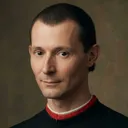
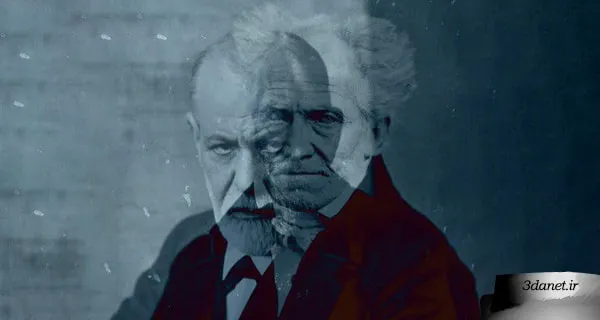
In this video, we first delve into the ideas of Arthur Schopenhauer, a philosopher who deeply examined suffering, human desire, and our relationship with others from profound angles. Then, by turning to Machiavelli, the issue of setting boundaries, understanding power relations, and the necessity of preserving individual independence is raised.
The aim of this video is not to defend cruelty or to set aside morality, but to explore the question of how one can prevent kindness from turning into self-destruction without losing compassion. The thoughts of these two philosophers help us better understand the difference between conscious altruism and limitless self-sacrifice.
This video is suitable for those interested in moral philosophy, the psychology of human relationships, and the ideas of Schopenhauer and Machiavelli.