Life swings like a pendulum backward and forward between pain and boredom.


Life and Thought
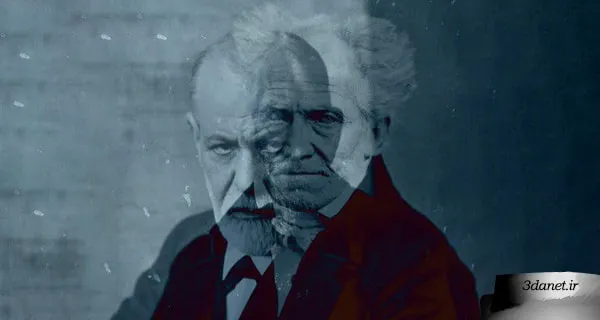
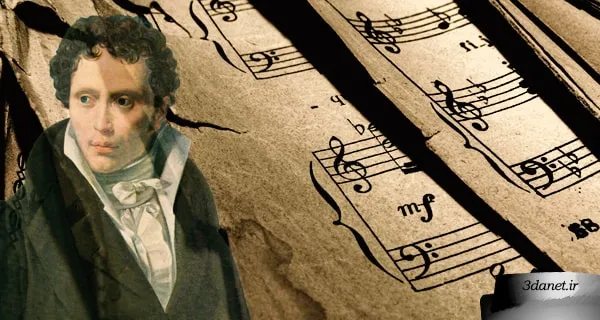
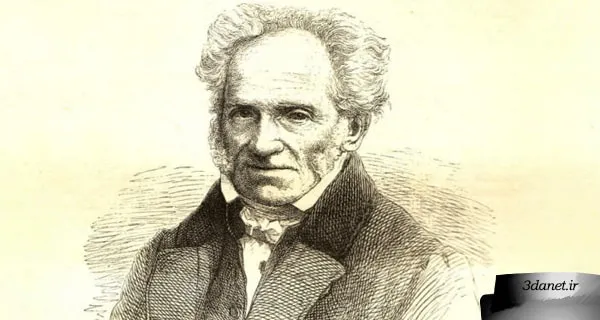
Arthur Schopenhauer (1788–1860) was a German philosopher and the author of The World as Will and Representation. His thought centered on will, suffering, and art, and had a wide-ranging influence on modern philosophy and art.
Arthur Schopenhauer, born 22 February 1788 and died 21 September 1860, was a German philosopher and one of the major figures in the history of Western philosophy. He is best known for his famous work The World as Will and Representation, a book in which he views the world as the manifestation of a fundamental, blind, and restless will.
Schopenhauer was born in Danzig, present-day Gdańsk, and raised in a wealthy, cultured family. In his youth he studied commerce for a time, but gradually turned to philosophy, literature, and the natural sciences. He continued his studies at the University of Göttingen and then the University of Berlin, and was influenced by the ideas of Plato, Kant, and Indian philosophical traditions.
Schopenhauer's thought is shaped around themes such as will, suffering, knowledge, art, ethics, compassion, and liberation from endless human desires. He was one of the first Western philosophers to seriously engage with Indian philosophy and texts, and sought to build a bridge between the European philosophical tradition and Eastern wisdom.
Although his works received little attention during his lifetime, after his death they had a profound influence on philosophy, literature, psychology, and art. Writers, composers, and thinkers such as Nietzsche, Wagner, Thomas Mann, and Freud were influenced by him. His deep insight into human suffering, the place of art, and the role of compassion in ethics has made Schopenhauer one of the most enduring figures of modern philosophy.
Bibliography
Writings and transcribed lectures15 titles
On the Wisdom of Life
The Fourfold Root of the Principle of Sufficient Reason
On Vision and Colors
The World as Will and Representation
On the Will in Nature
Two Fundamental Problems of Ethics
Appurtenances and Appendages
The World and the Philosopher's Reflections
The Art of Always Being Right
On Human Nature
Ethics, Law, Politics
The Art of Survival
The Art of Self-Knowledge
The Art of Happiness
The Art of Growing Old