Lecture
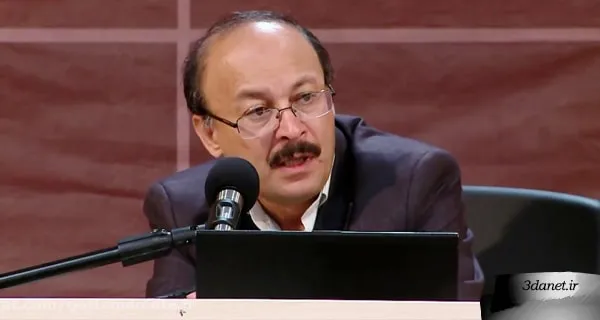
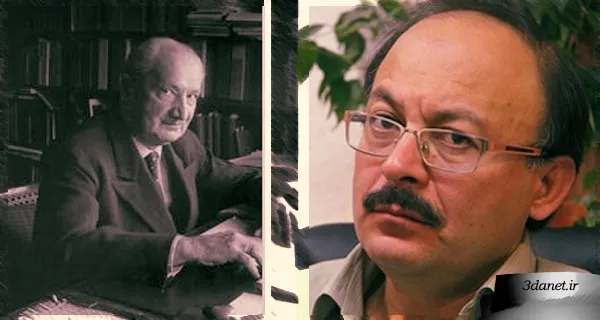
Martin Heidegger's Moral Philosophy | Lecture by Akbar Jabbari
Can we speak of ethics in the philosophy of Martin Heidegger? In this lecture, Akbar Jabbari addresses the question of ethics in Heidegger's thought and its relation to the fundamental concepts of his philosophy.
About this video
Martin Heidegger is one of the most important philosophers of the twentieth century, yet the place of ethics in his philosophy has always been a subject of discussion and controversy. Unlike many moral philosophers, Heidegger does not offer an ethical theory in the conventional sense, and this very issue has raised important questions about the possibility and meaning of ethics in his thought.
In this lecture, Akbar Jabbari addresses the issue of "Martin Heidegger's Moral Philosophy" and seeks to clarify the relationship between Heidegger's thought and the question of ethics. The fundamental concepts and themes of Heidegger's philosophy are examined in connection with the question of whether an ethical conception can be extracted from his philosophy and, fundamentally, what place ethics occupies in his ontology.
One of the main sources for this discussion, in addition to Heidegger's direct works, is the book *Heidegger and the Place of Ethics* by Michael Lewis. Engaging with this topic is important for a more precise understanding of Heidegger's philosophy as well as the boundaries and possibilities of philosophical ethics.