Foreign thinker
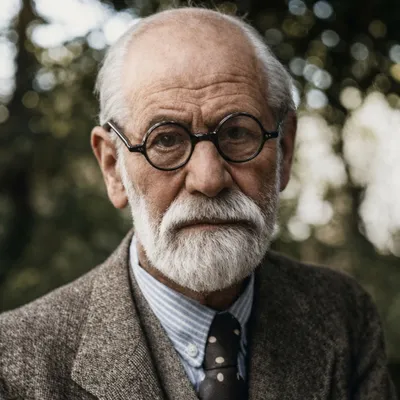
Sigmund Freud
Sigmund FreudPsychoanalysisAustrian1856–1939
Dreams are the royal road to the unconscious.


Life and Thought
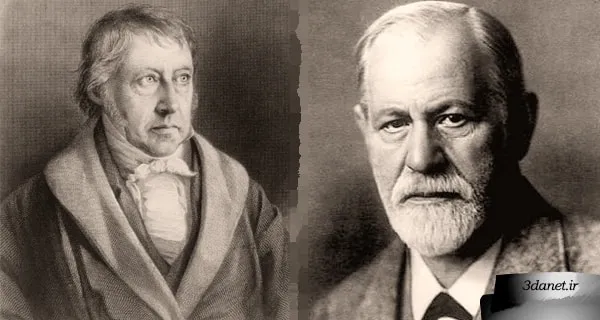
Sigmund Freud, an Austrian neurologist and the founder of psychoanalysis, is considered one of the most influential intellectual figures of the twentieth century. His ideas had a profound impact on psychology, literature, art, and the humanities.
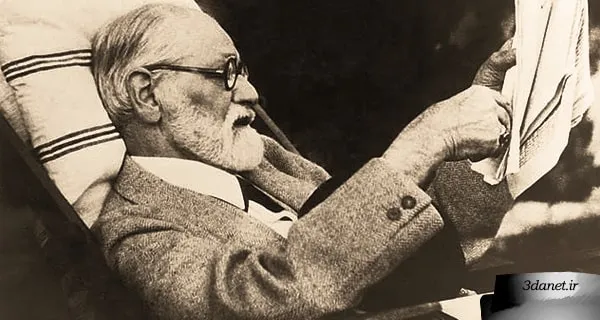
Sigmund Freud, born 6 May 1856 and died 23 September 1939, was an Austrian neurologist and the founder of psychoanalysis. He is considered one of the most influential intellectual figures of the twentieth century, and his ideas had a profound impact on psychology, psychiatry, literature, art, cultural criticism, and the humanities.
Freud was born in Moravia, within the Austrian Empire, and studied medicine at the University of Vienna. He began his career in neurology but gradually turned to the study of mental disorders, dreams, memory, language, and the unconscious life of humans. He established his clinical practice in Vienna and developed the theory of psychoanalysis based on dialogue, free association, and dream analysis.
Freud's most significant innovation was his focus on the unconscious; a part of the psyche that he believed plays a role in behavior, dreams, slips of the tongue, anxieties, and human relationships. He introduced concepts such as repression, transference, libido, dreams, the Oedipus complex, the ego, the id, and the superego into the language of psychology and popular culture.
Freud's cultural significance extends beyond mental therapy. His works opened up a new perspective on humanity, desire, memory, family, art, religion, civilization, and psychological suffering. Although his theories have always been subject to debate and revision, his influence on literature, cinema, philosophy, and cultural criticism remains enduring.
Bibliography
Writings and transcribed lectures21 titles
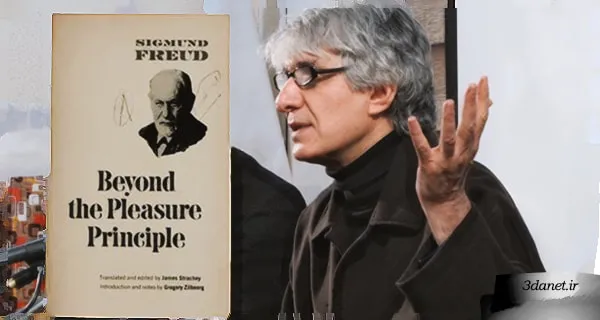
فراسوی اصل لذت
Dream Interpretation
The Psychopathology of Everyday Life
Latifa and Its Connection to the Unconscious
Three Essays on the Theory of Sexuality
Totem and Taboo
The Uncanny
Group Psychology and the Analysis of the Ego
My Academic Life
The Future of an Illusion
Civilization and Its Discontents
Civilization and Its Discontents
The Discontents of Culture
Moses and Monotheism
Moses and Monotheism
Five Lectures on Psycho-Analysis
Dreams: Lectures Introducing Psychoanalysis
Analytical Report of a Case of Hysteria
Leonardo da Vinci, A Memory of His Childhood
Why War?, Correspondence between Albert Einstein and Sigmund Freud
The Unconscious