Foreign thinker
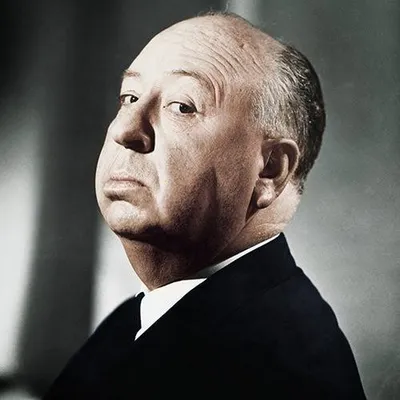
Alfred Hitchcock
Alfred HitchcockFilmmaking, directing, and film theoryEnglish1899–1980
"In my films, the villain is usually intelligent and the hero is often someone who must discover something about himself."


Life and Thought
Alfred Hitchcock was an English filmmaker and director, and one of the most influential figures in the history of cinema, especially known for his innovations in suspense and psychological thriller genres. Through works such as "Vertigo," "Rear Window," "Psycho," and "The Birds," he achieved a lasting place in world cinema.
Alfred Hitchcock was born on August 13, 1899, in London, England. He began his professional career in the British film industry and, after working in areas such as title design and technical aspects of cinema, directed his first films in the 1920s. His early British works, especially "The Lodger" (1927), revealed his interest in suspense, anxiety, and the psychological complexity of characters.
In the late 1930s, Hitchcock moved to Hollywood and became one of the most important directors in American cinema. Through precise use of mise-en-scène, editing, music, camera angles, and manipulation of audience expectations, he developed a distinctive method of creating suspense. His films often explored themes of fear, guilt, identity, suspicion, and individuals trapped in threatening situations.
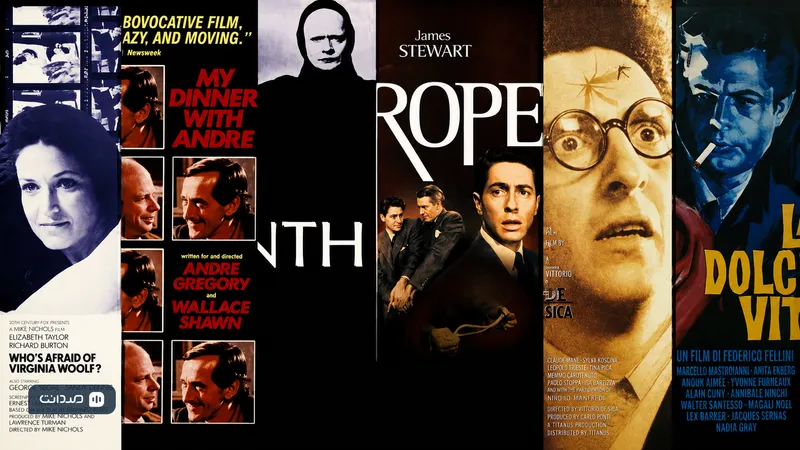
Among his most important works are "Rebecca" (1940), "Notorious" (1946), "Strangers on a Train" (1951), "Rear Window" (1954), "Vertigo" (1958), "North by Northwest" (1959), "Psycho" (1960), and "The Birds" (1963). "Vertigo" was later regarded by critics as one of the greatest achievements in cinema history.
Hitchcock's style emphasized the psychological experience of the viewer, the creation of suspense before events occur, and the active role of audiences in completing the meaning of a work. He is recognized not only as a successful director but also as an artist who transformed the visual language and narrative possibilities of cinema.