Psychology
Theories on Why We Dream
For three thousand years, humans have sought to understand why we dream. While a definitive answer remains elusive, theories range from wish fulfillment and memory consolidation to neural housekeeping, instinct rehearsal, emotional healing, and problem-solving.

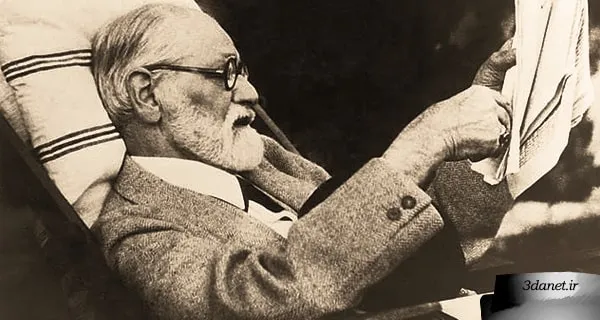
Three thousand years before Christ, Mesopotamian kings recorded and described their dreams on wax tablets. A thousand years later, the ancient Egyptians wrote a dream book in which they classified the meanings of over a hundred dreams. Since then, we have not stopped in our quest to understand why we dream. After much scientific research, technological advancement, and great persistence, we still have no definitive answers, but we do have some interesting theories. We dream to fulfill our wishes. In the early 1900s, Sigmund Freud proposed that our dreams and nightmares, besides being a collection of images from our daily conscious life, also have a symbolic meaning. These symbolic meanings are related to wishes embedded in our unconscious mind. Freud argued that everything we remember upon waking from a dream is a symbolic representation of our unconscious thoughts, primitive drives, and desires. Freud believed that by recalling these elements, the unconscious content becomes apparent to the conscious part of our brain, and psychological issues stemming from repression can be recognized and resolved. We dream to remember. Sleeping is beneficial for enhancing performance on a specific mental task, but dreaming during sleep is even better. In 2010, researchers found that if subjects took a nap, they were much better able to navigate a 3D maze than in other states. In fact, their performance was 10 times better than those who only thought about the maze while awake, or who napped but did not think about the maze. The researchers concluded that certain memory processes can only occur while we are asleep, and our dreams are a sign that these processes are taking place. We dream to forget. There are about 10,000 trillion neural connections within the architecture of your brain. These connections are shaped by everything you think about or do. Reverse learning, a neurobiological theory about dreaming, states that during sleep, and especially during REM sleep, your neocortex reviews these neural connections and discards the unnecessary ones. If this unlearning process did not occur during dreaming, your brain would be overwhelmed by useless connections and parasitic thoughts that could disrupt important and necessary thinking while awake. The continual-activation theory proposes that dreaming is a result of the brain's constant need to consolidate and create long-term memories. So when external data falls below a certain level, like when you are asleep, your brain automatically starts generating data from its memory stores. This appears to you in the form of dreams and the feelings you experience within them. In other words, your dream might be a random screensaver your brain activates so it doesn't completely shut down. We dream to rehearse. Dreams involving dangerous and frightening situations are very common. The primitive instinct rehearsal theory suggests that the content of a dream is meaningful according to its purpose. Whether your dream is an anxiety-ridden night being chased by a bear in the woods, or a battle with ninjas in a dark alley, it helps you rehearse the fight-or-flight instinct. Dreaming also keeps those instincts sharp and reliable, in case you might actually need them one day in real life. These dreams don't always have to be unpleasant; for example, a dream about your attractive neighbor could be a rehearsal for your reproductive instinct. We dream to heal. The activity of stress neurotransmitters is lower during REM sleep, or even during dreams where we experience painful events. This phenomenon has led some researchers to suggest that one of the purposes of dreaming is to lessen the impact of painful experiences so that psychological healing can occur. Reviewing painful events with less mental pressure during a dream can give you a clearer perspective and enhance the ability to properly examine the dreams through psychological methods. People with certain mood disorders or PTSD often have trouble sleeping. This has led some scientists to suspect that a contributing factor to their illness is a lack of dreaming. We dream to solve problems.
Without the constraints of reality and the conventional rules of logic in dreams, the brain can construct countless scenarios, helping you grasp problems and formulate solutions you might not have considered while awake. John Steinbeck called it the sleep committee, and researchers call it the incubation effect. The famous chemist August Kekulé discovered the structure of the benzene molecule this way, which is why often the best solution to a problem is to sleep on it. These are just a few of the many prominent theories in this field. As technology enhances our ability to understand the dimensions of the brain, we may one day discover the definitive reason for dreaming. But until that time comes, we must continue to dream.
.
.
Download the video "Theories on Why We Dream" in high quality
Download the video "Theories on Why We Dream" in low size
Download the audio "Theories on Why We Dream" Download from Server 1 | Download from Server 2
.
.
Theories on Why We Dream
Source: The esteemed Vidoal website
.
.



Discussion0 comments
No comments yet; let yours be the first voice.