Foreign thinker
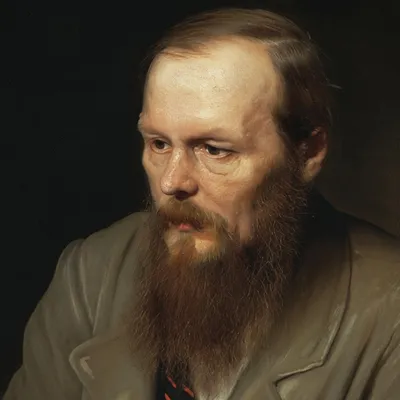
Fyodor Dostoevsky
Fyodor DostoevskyPhilosophy and LiteratureRussian1821–1881
Beauty will save the world.


Life and Thought
Fyodor Mikhailovich Dostoevsky (1821–1881) was a great Russian writer and novelist, and one of the most important figures in world literature. His works, such as Crime and Punishment and The Brothers Karamazov, hold an unparalleled place in the history of the novel and modern thought.
Through works such as Crime and Punishment, The Idiot, Demons, and The Brothers Karamazov, he has secured an unparalleled place in the history of the novel and modern thought.
Dostoevsky was born in Moscow and developed an interest in literature and social ideas in his youth. His first novel, Poor Folk, was met with critical acclaim and established his name in Russian literature. A tumultuous personal life, the experience of suffering, illness, exile, poverty, and confrontation with moral and religious crises played a significant role in shaping his fictional world.
More than mere fictional narratives, Dostoevsky's novels are arenas of conflict between ideas and the human conscience. His characters are usually grappling with questions about guilt, freedom, faith, suffering, justice, morality, will, and the meaning of life. He was among the first writers to depict the depths of the human psyche, anxiety, inner contradictions, and moral crises with such power in literature.
Dostoevsky's cultural significance lies in his broad influence on modern literature, philosophy, psychology, and theology. Writers and thinkers such as Tolstoy, Nietzsche, Freud, Camus, Sartre, Heidegger, and Wittgenstein have engaged with his works. The Brothers Karamazov is generally considered his masterpiece, and the chapter "The Grand Inquisitor" is one of the most famous passages in world philosophical literature.
Bibliography
Writings and transcribed lectures18 titles
The Brothers Karamazov
Poor Folk
The Double
The Landlady / The Hostess
Netochka
Uncle's Dream
The Village of Stepanchikovo
The Insulted and Humiliated
Memories of the House of the Dead
Notes from Underground
Crime and Punishment
The Gambler
The Idiot
Always the Husband
Demons
The Callow Youth
Notes of a Writer
Letters and Notes of Fyodor Dostoevsky