Foreign thinker
Nikos Kazantzakis
Nikos KazantzakisPhilosophical literature, existentialism, and philosophy of religionGreek1883–1957
I hope for nothing, I fear nothing; I am free.


Life and Thought
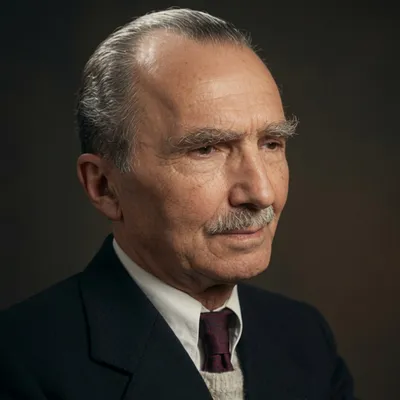
Nikos Kazantzakis (1883–1957) was a Greek writer, poet, philosopher, and translator. Through novels such as “Zorba the Greek” and “The Last Temptation of Christ,” he became one of the most influential figures in twentieth-century literature and thought.
Nikos Kazantzakis was born in 1883 in Heraklion, Crete. After studying law at the University of Athens, he went to Paris, where he was influenced by the ideas of Henri Bergson and the philosophy of Friedrich Nietzsche. The struggle between spirit and flesh, freedom and commitment, and faith and doubt were central themes of his philosophical worldview.
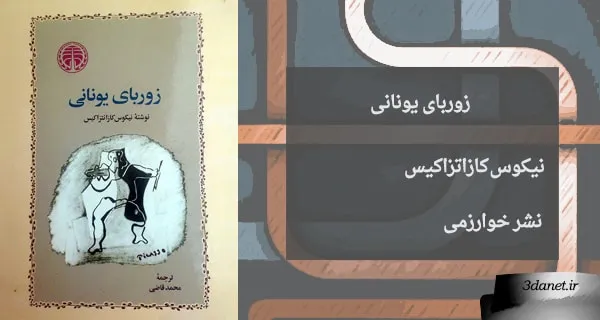
In his fictional and philosophical works, Kazantzakis explored the boundaries of human capability and the search for the transcendent. Novels such as Zorba the Greek, The Last Temptation of Christ, and Christ Recrucified gained worldwide fame, and the epic poem The Odyssey: A Modern Sequel and the philosophical essay The Saviors of God: Spiritual Exercises are also among his important works.
Kazantzakis's worldview was founded on constant struggle, the acceptance of suffering, and the effort to transcend human limitations. He died in Germany in 1957, and the phrase "I hope for nothing. I fear nothing. I am free." is inscribed on his tombstone in Crete.