Literature
Introducing Zorba the Greek by Nikos Kazantzakis
Zorba the Greek celebrates life and mocks reclusive intellectuals who see the world only through books; Zorba teaches us to feel life with flesh and blood. His motto: 'Long live life, and death to death.'
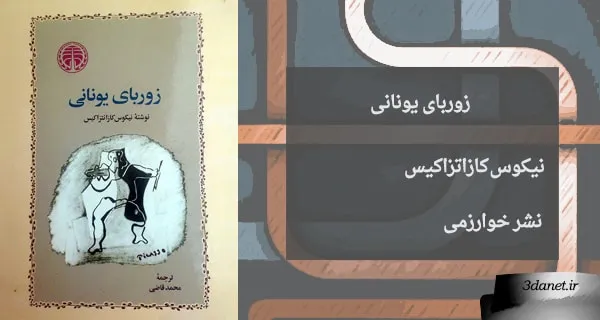
Zorba the Greek is a story in praise of life, a biting satire aimed at reclusive intellectuals and "paper-eating mice" who try to see and comprehend the world through the pages of books and "a chaotic mass of black paper." But Zorba teaches that you must feel it with your own flesh and blood, or else you will see nothing but a "phantom."
.
Introducing the Book Zorba the Greek by Nikos Kazantzakis
What taste of heavenly fruits can he perceive / Who has not bitten the apple of a beloved's chin (Hafez)
I would only believe in a God who knew how to dance (Nietzsche)
It is not enough for me to read that the sand on the seashore is soft; I want my bare feet to feel it (André Gide)
Take this cash, and let the credit go / For the sound of a drum is pleasant from afar (Khayyam)
Zorba the Greek is a story in praise of life, a biting satire aimed at reclusive intellectuals and "paper-eating mice" who try to see and comprehend the world through the pages of books and "a chaotic mass of black paper." But Zorba teaches that you must feel it with your own flesh and blood, or else you will see nothing but a "phantom."
The narrator of the story, submerged in a multitude of ultimate questions and with a heart pledged to Buddhist teachings, suddenly comes face to face with the genius Zorba, this reincarnation of Khayyam on earth. Zorba's genius is nothing other than enjoying life and partaking in worldly pleasures. The story's "Boss," who until yesterday perceived the world as cold, dark, gloomy, and like a thousand-times-wed crone, now sees that same fragile world transformed into a desirable virgin in the radiance of Zorba's mischievous gaze. But what kind of man is Zorba?
Zorba is grateful for existence and knows no time other than the present: when he eats, he only eats, and when he works, he only works, and he leaves no action incomplete or unfinished.
Zorba does not think of hell or heaven either, and he dismisses the ascetic's promise of tomorrow as worthless; his motto is "Long live life, and death to death." He always lives as if "he might die at any moment" and be cut off from the world, regretting that he had not attained some pleasure.
Zorba is a child; Zorba's eyes see everything as if for the first time. He constantly bestows virginity upon the whole world, and his childlike wonder allows him, free from the shackles of tradition, to act creatively and beyond good and evil. In Nietzsche's terms, he has passed beyond being a camel and a lion and has become entirely a child.
Even if Zorba asks grand, philosophical questions and they trouble him, he dwells on them for no more than a fleeting moment and does not engage with them, for "none has ever solved, nor will solve, this riddle with wisdom."
Zorba considers all pleasures sacred. He even turns eating into a spiritual act and transforms food into passion and ecstasy. He never tires of or becomes sated with women, "that eternal point"; he plays his instrument and dances, and like a frenzied Dionysus, cup in hand, he calls us to life and rouses us.
Zorba does not shy away from experience, travel, or danger, and if he encounters a calamity along the way, he submits, says yes, and asks for more life. Zorba wants to leave nothing for the Angel of Death but a ruined, worn-out castle, and to have no unconquered peak at the moment of death.
In a word, Zorba wants life in its entirety.
Excerpts from the book Zorba the Greek:
- This is life, Boss, I mean, a man has to enjoy himself. Look, at this moment I'm acting as if I might die in a minute.
- Don't worry, there is no God and no devil... Long live life, and death to death.
- Truly, how far man has fallen! Damn them! They've let our bodies go to waste so much that the body has become mute, and now they can only speak with their mouths. But what can the mouth say, after all?
- All your books should be piled up together and set on fire at once. After that... what can I say, you're not a fool and you're a good person... after that, something can be made of you!
- The greatest madness, in my opinion, is for a man to have no madness at all.
- This life is man's only life, and there is no other life; every pleasure that can be taken is in this world and nowhere else; no other chance will be given to us.
- You alone exist, O Earth, and I am your last-born child, suckling at your breast and I will not let it go. You do not allow me to live more than a moment, but for that one moment I become a breast and suckle it.
- The last man is Buddha. We are still at the beginning of the road; we have not eaten enough, nor drunk enough, nor loved enough, we have not yet lived. This breathless old man has come to us too soon. Tell him to be off with him as quickly as possible!
- What is this, boss? What is this miracle, this blue expanse swaying down there called? The sea? The sea? And what is this that has tied on a green apron of flowers and plants? The earth? I swear, it's the first time I'm seeing these things.
- Fearing neither God nor the Devil, that is youth!
- You, boss, can you tell me what all these things mean? Who made them? And especially, why does a person die?
- New paths and new plans! I've given up remembering what happened yesterday, or talking about what will happen tomorrow.
.
.
Zorba the Greek / Nikos Kazantzakis / Translated by: Mohammad Ghazi / Kharazmi Publications
Introduction to the work by Ali Ahmadi
.
.

Discussion3 comments
بدا بحال کسی که چشمه خوشبختی از درونش نجوشد، ... زوربا کاملا یک فرد عامی و نیازموده است که تنها دلخوشی و سهم اش از خوان و نان آسمان، شرابخواری و زن بارگی و رقص های عصبی ست. شخصیت اش ما را عموما به یاد این شوفرهای قدیمی و کارگران سر چهارراه ها می اندازد که با لفاظی و زبان بازی سعی میکنند تا جلب ترحمی کرده و کاری روزمزد گیر بیاورند. ساده انگاری افراطی و ساده لوحی روانی، و توهم دانایی و خودشیفتگی هیستریکی، مثل جن زده ها به همراه رگه های سوسیوپاتیک از بارزترین خصایص عوامانه است. اینقدر در جنگ جهانی کشتار و تجاوز کرده که دیگه حال خودش هم بهم خورده و ازینجا به شورو نشاط عصبی تبدیل شده، لذا نمیتواند بسان یک مارگزیده، نقشه کاغذی سیاستمداران را از کتب الهامی مقدس تفکیک کند. زوربا چهار معبود دارد: زن و میوه و خرکاری و مناظر. او ادیان بزرگ را از جمله نماز مسلمانان و سرودهای مسیحی را بیروح میخواند زیراکه مساجد و معابد بوی خون میدهند. حتی بودا را هم برای کرم عوام پیله ای زودرس میداند که باید بتدریج در آخر عمر تبدیل به پروانه شوند. زوربا مثل کولی ها با فلسفه دمی- غنیمتی اش همه جا میرود و شاید برای رهایی از افسردگی درون بخاطر گناهان وحشتناک گذشته اش، خودش را با مطربی و شراب و زن و حرافی سرگرم میکند. آیا اگر در مدرسه ای تعلیم و آموزش میدید و مثل سایر کودکان مدتی دود چراغ و جوهر قلمی و گرد کاغذی میخورد، بهتر از سرباز مزدوری نبود که عذاب وجدان رهایش نمیکرد؟ آیا بهتر نبود که در مکتب اساتید بزرگ صباحی را شاگردی میکرد و پس از آشنایی با لایه های عمیق هستی همانند بوداییان بالغتر شده و تا مثل کودکان عقب مانده از دیدن هر چیزی حیرت نمیکرد؟ خود رمان پاسخ خودش را متناقض وار از زبان بوداییان ارایه داده: بدا به حال کسی که چشمه خوشبختی از درونش نمیجوشد
بدا بحال کسی که چشمه خوشبختی از درونش نجوشد، ... بقول راسل خوشبختی بر دو نوع ست: شادی فانتزی که عوام راست، و شادی حقیقی که مختص تحصیلکردگان ست. سعدی هم رقص بسیار را هنر ندیمان میدانست اما عیب حکیمان. زوربا کاملا یک فرد عامی و نیازموده است که تنها دلخوشی و سهم اش از خوان و نان آسمان، شرابخواری و زن بارگی و رقص های عصبی ست. شخصیت اش ما را عموما به یاد این شوفرهای قدیمی و کارگران سر چهارراه ها می اندازد که با لفاظی و زبان بازی سعی میکنند تا جلب ترحمی کرده و کاری روزمزد گیر بیاورند. ساده انگاری افراطی و ساده لوحی روانی، و توهم دانایی و خودشیفتگی هیستریکی، مثل جن زده ها به همراه رگه های سوسیوپاتیک از بارزترین خصایص عوامانه است. اینقدر در جنگ جهانی کشتار و تجاوز کرده که دیگه حال خودش هم بهم خورده و ازینجا به شورو نشاط عصبی تبدیل شده، لذا نمیتواند بسان یک مارگزیده، نقشه کاغذی سیاستمداران را از کتب الهامی مقدس تفکیک کند. زوربا چهار معبود دارد: زن و میوه و خرکاری و مناظر. و خدا را در همه جا میبیند؛ لیوانی آب خنک، زنی افسونگر، کودکی بازیگوش، و گردش صبحگاهی و... او ادیان بزرگ را از جمله نماز مسلمانان و سرودهای مسیحی را بیروح میخواند زیراکه مساجد و معابد بوی خون میدهند. حتی طبیعت گرایی نخبه گرایانه بوداییان را هم نمیپسندد که سالها ریاضت میکشند و نیروهای درونی شان را بقدری فعال میکنند که بر اوج قله های هیمالیا با نگاهی از یخ های منجمد، آبجوشی برای چای دم میکنند. زوربا مثل کولی ها با فلسفه دمی- غنیمتی اش همه جا میرود و شاید برای رهایی از افسردگی درون بخاطر گناهان وحشتناک گذشته اش، خودش را با مطربی و شراب و زن و حرافی سرگرم میکند. آیا اگر در مدرسه ای تعلیم و آموزش میدید و مثل سایر کودکان مدتی دود چراغ و جوهر قلمی و گرد کاغذی میخورد، بهتر از سرباز مزدوری نبود که عذاب وجدان رهایش نمیکرد؟ آیا بهتر نبود که در مکتب اساتید بزرگ صباحی را شاگردی میکرد و پس از آشنایی با لایه های عمیق هستی همانند بوداییان بالغتر شده و تا مثل کودکان عقب مانده از دیدن هر چیزی حیرت نمیکرد؟ خود رمان پاسخ خودش را متناقض وار از زبان بوداییان ارایه داده: بدا به حال کسی که چشمه خوشبختی از درونش نمیجوشد
بنظرم زوربا با خیام قابل قیاس نیست.زوربا به آنک انسان شبیه تر است البته نه آنک انسان نیچه. آنک انسانی در اقلیت، فردی والاتر، اگاه تر ایستاده بر ستیغ...