Foreign thinker
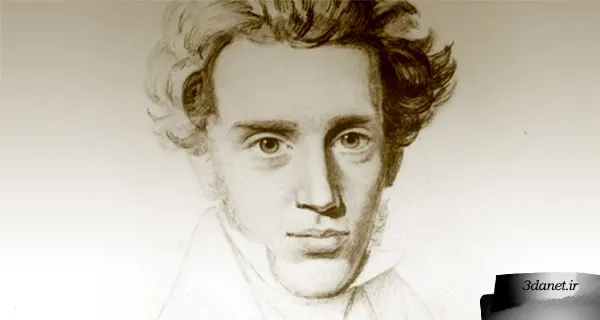
Soren Kierkegaard
Soren KierkegaardPhilosophy and TheologyDanish1813–1855
Life is lived forward, but understood backward.


Life and Thought
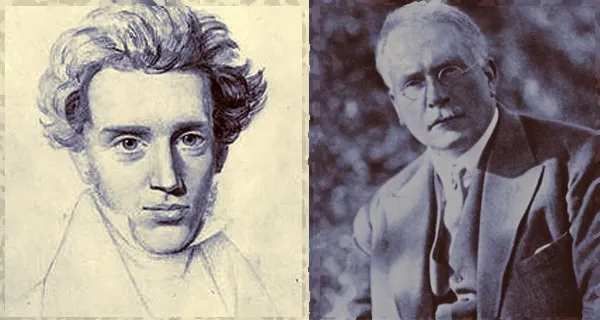
Søren Kierkegaard (1813–1855) was a Danish philosopher, writer, and theologian, and a pioneer of existentialist thought. His works emphasize individual existence, choice, anxiety, and faith, and have had a profound influence on modern philosophy and theology.
Søren Kierkegaard, born May 5, 1813, and died November 11, 1855, was a Danish philosopher, writer, and theologian. He is one of the influential figures of modern philosophy and a pioneer of existentialist thought—a mode of thinking that emphasizes individual existence, choice, anxiety, faith, and personal responsibility.
Kierkegaard was born in Copenhagen and studied theology and philosophy at the University of Copenhagen. His deep and complex relationship with his father, his brief engagement to and break with Regine Olsen, and his mental preoccupation with Christian faith all played significant roles in shaping his works. After receiving a family inheritance, he devoted most of his short life to writing.
Kierkegaard's works were often published under pseudonyms and employ a variety of forms such as essays, discourses, notes, imaginary letters, and philosophical narratives. He opposed philosophical system-building, especially Hegelian philosophy, and believed that the truth that matters to human beings is a lived, inward, and individual truth.
Kierkegaard's cultural significance lies in the way he linked philosophy to the experience of anxiety, choice, and individual responsibility. Concepts such as the "leap of faith," "anxiety," "despair," "individuality," and the "stages of life" later had a profound impact on modern theology, literature, psychology, and existentialist philosophy.
Bibliography
Writings and transcribed lectures14 titles
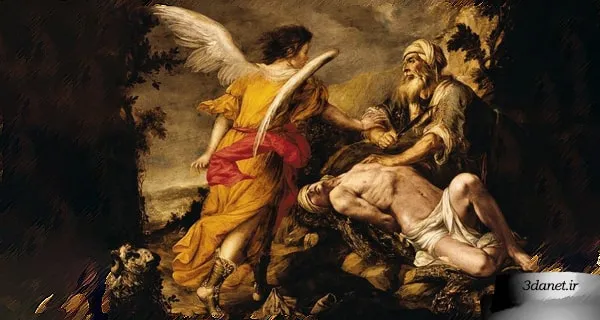
Fear and Trembling
The Concept of Irony, with Continual Reference to Socrates
Either/Or
Repetition
The Concept of Dread / The Concept of Anxiety
Philosophical Fragments
Stages on Life's Way
Final Unscientific Postscript to Philosophical Fragments
The Present Age
Works of Love
The Sickness Unto Death
Experience in Christianity
Judging Oneself
Kierkegaard's Journals and Notebooks