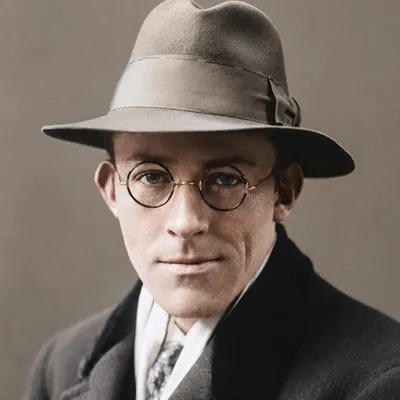
Foreign thinker
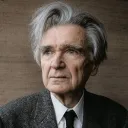
Peter Wessel Zapffe
Peter Wessel ZapffePhilosophy of pessimism and existentialismNorwegian1899–1990
"Excessive human consciousness is the source of suffering and alienation from the world."
In their times
Open in the Timeline of Thought


Life and Thought
Peter Wessel Zapffe was a Norwegian philosopher, writer, humorist, lawyer, and mountaineer. He is best known for his philosophical pessimism, tragic view of the human condition, and defense of a form of antinatalism.
Peter Wessel Zapffe (1899–1990) was a Norwegian philosopher, writer, humorist, lawyer, and mountaineer who worked in the fields of philosophical pessimism and existentialism.
His central idea was that human consciousness has developed beyond what is biologically necessary for survival, and this excessive awareness confronts human beings with suffering, anxiety, meaninglessness, and an inability to adapt to the world.
Zapffe belongs to the tradition of philosophical pessimism and is often considered alongside thinkers such as Schopenhauer. He argued that humans have fallen out of natural harmony with the world because of their consciousness, imagination, anticipation of the future, and desire for meaning.
In his famous essay "The Last Messiah," Zapffe explains that humans rely on four defensive mechanisms to endure life: isolation, anchoring, distraction, and sublimation.
Bibliography
Writings and transcribed lectures1 title
On the Tragic