Foreign thinker
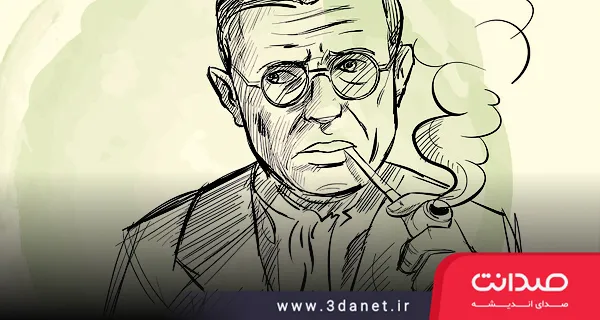
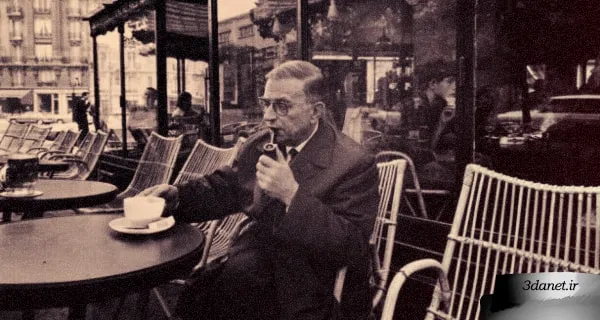
Jean-Paul Sartre
Jean-Paul SartrePhilosophy and LiteratureFrench1905–1980
Man is condemned to be free; condemned, because he did not create himself, and yet free, because once thrown into the world, he is responsible for everything he does.
In their times
Open in the Timeline of ThoughtInfluenced7


Influenced by8


Critics1

Same school1

Contemporaries13


Life and Thought
Jean-Paul Sartre (1905–1980) was a French philosopher and writer, and a key figure in existentialism. He is known for works such as Being and Nothingness and Nausea, and was awarded the Nobel Prize in Literature in 1964, which he declined.
Jean-Paul Sartre, born June 21, 1905, and died April 15, 1980, was a philosopher, novelist, playwright, literary critic, and one of the most important literary and philosophical figures of twentieth-century France. He is best known for existentialism, an intellectual movement that emphasizes human freedom, individual responsibility, choice, and creating meaning in a world without inherent foundations.
Sartre was born in Paris and studied philosophy at the École Normale Supérieure. Alongside his philosophical work, he achieved a prominent place in literature, becoming one of the most influential writers of the twentieth century with the novel Nausea, the short story collection The Wall, and plays such as No Exit and Dirty Hands.
In Sartre's works, characters typically confront questions about freedom, anxiety, solitude, ethical choice, and responsibility. He took philosophy out of the purely academic sphere and brought it to a wider audience through novels, plays, essays, and literary criticism. Being and Nothingness is his most important philosophical work, and Existentialism Is a Humanism is one of his best-known public texts on existentialism.
Sartre was awarded the Nobel Prize in Literature in 1964 but declined to accept it. His cultural significance lies in linking philosophy and literature; he was a writer who brought thought to the stage, the story, and the lived experience of contemporary humanity.
Bibliography
Writings and transcribed lectures27 titles
Nausea
The Wall, a story collection
The Flies
Being and Nothingness
No Exit / Hell
The Age of Reason
Suspension
Torment of the Spirit
The Unburied Dead
The Magnanimous Whore
Existentialism and Human Authenticity
What Is Literature?
Baudelaire
Dirty Hands
Gear
The Devil and God
Kin
Nekrasov
The Condemned of Altona
Freud, Screenplay
Critique of Dialectical Reason
Words, Autobiography
The Trojan Women
The Family Idiot
In Defense of Intellectuals
Existential Psychoanalysis
Transcendence of the Ego