

Life and Thought
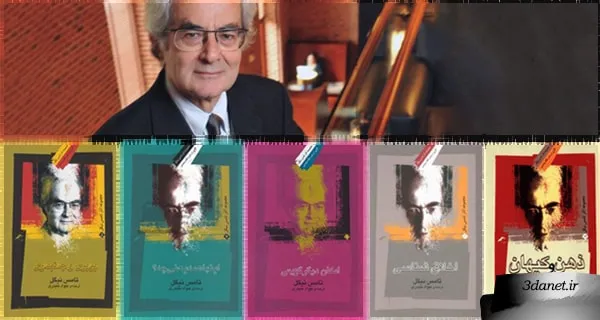
Thomas Nagel, born 1937, is an American philosopher and professor emeritus at New York University. His main areas of work are moral philosophy, philosophy of mind, and political philosophy, and his essay "What Is It Like to Be a Bat?" is among his most famous works.
Thomas Nagel, born 1937, is an American philosopher and professor emeritus of philosophy and law at New York University. According to NYU's profile, his main areas of work are moral philosophy, political philosophy, philosophy of law, epistemology, metaphysics, philosophy of mind, and the meaning of life.
Nagel is a major figure in contemporary analytic philosophy, and his renown stems above all from his famous essay "What Is It Like to Be a Bat?"—an essay that has become a classic text in the philosophy of mind. In this piece, he shows that conscious experience and the inner aspect of the mind cannot simply be reduced to purely physical or biological explanations.
Nagel's thought in ethics also holds an important place. He has defended the possibility of altruism and sought to show that human beings can have moral reasons to care for others beyond self-interest. In his works, a kind of tension between an objective view of the world and personal human experience is always present—a tension clearly laid out in the book "The View from Nowhere."
Nagel's cultural significance lies in his ability to pose complex philosophical questions in clear and accessible language. Books such as "What Does It All Mean?" and "Mortal Questions" have served as a gateway to contemporary philosophy and fundamental questions about mind, meaning, ethics, and human life for many readers.
Bibliography
Writings and transcribed lectures12 titles
Moral Sentiments, Moral Reality, and Moral Progress
The Possibility of Alterity
Deadly Questions
Ethics
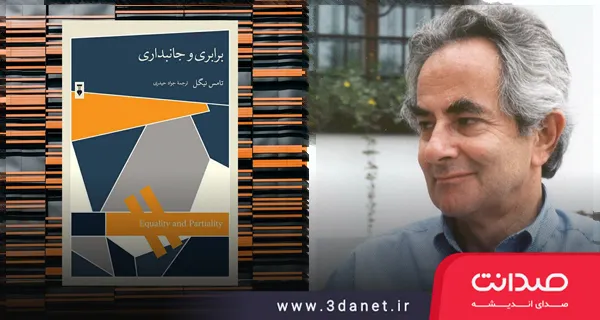
Equality and Partiality
In Search of Meaning
What Does All This Mean?
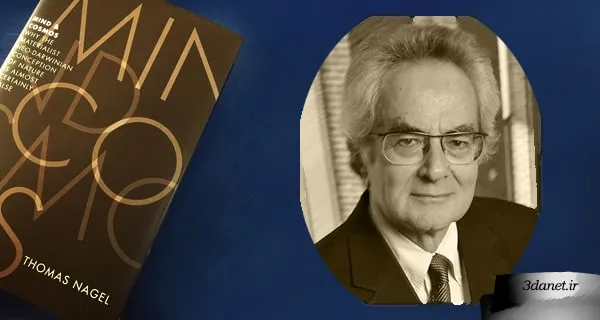
Mind and Cosmos
The View from Nowhere
The Last Word
Other Minds
The Myth of Ownership