Justice is the first virtue of social institutions, as truth is of systems of thought.
In their times
Open in the Timeline of ThoughtInfluenced12


Influenced by4


Students1

Critics3


Contemporaries5


Life and Thought
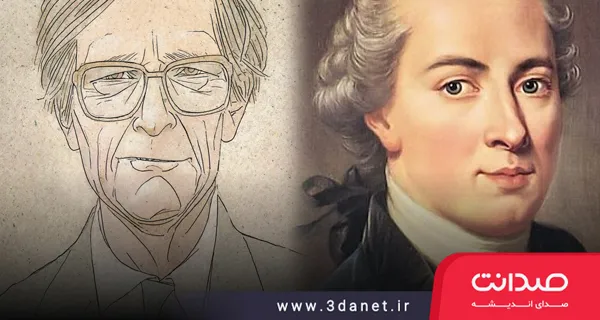
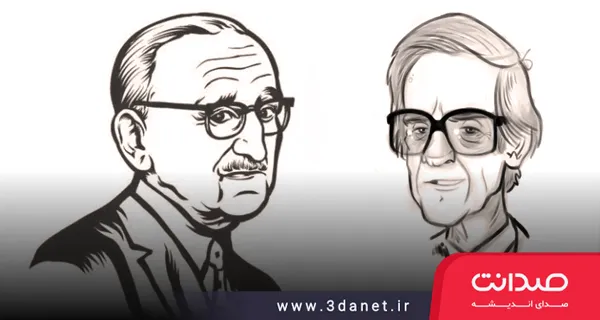
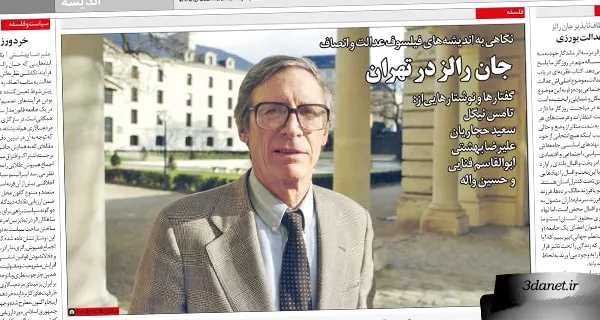
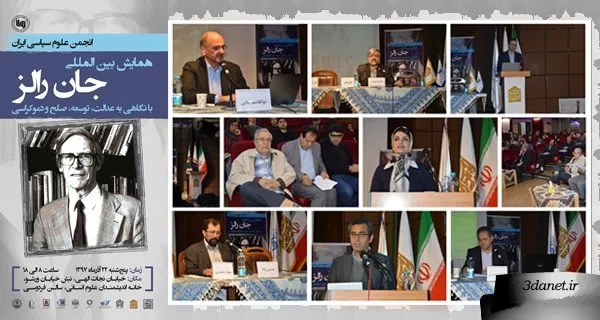
John Rawls (1921–2002) was an American philosopher and one of the most important figures in political philosophy and ethics of the twentieth century. He is renowned for formulating the theory of "justice as fairness" and for his book A Theory of Justice.
John Rawls, born February 21, 1921, and died November 21, 2002, was an American philosopher and one of the most important figures in political philosophy and ethics of the twentieth century. His fame rests above all on his formulation of the theory of "justice as fairness"—a theory that, with the publication of A Theory of Justice in 1971, became one of the classic sources of contemporary political philosophy.
Rawls studied at Princeton University and received his PhD in philosophy in 1950. After a period of research at Oxford and teaching at universities such as Cornell and MIT, he moved to Harvard University, where he taught and conducted research for roughly fifty years. During these years, prominent students and thinkers in the fields of moral and political philosophy were influenced by his classes and works.
Rawls's thought centers on a fundamental question: What is a just society? To answer this question, he proposed the thought experiment of the "original position" and the "veil of ignorance"—a hypothetical situation in which individuals, without knowing their future place, class, gender, talents, or position, choose the just principles of society.
Rawls's cultural significance lies in the fact that he returned political philosophy to normative questions about justice, equality, liberty, and social institutions. His works provided a new language for dialogue about social justice, civil rights, equal opportunity, and the responsibility of institutions toward the least advantaged members of society.
Bibliography
Writings and transcribed lectures10 titles
A Theory of Justice
Political Liberalism
The Rights of Peoples
Justice as Fairness: A Restatement
Lectures on the History of Moral Philosophy
Lectures on the History of Political Philosophy
Collected Papers of John Rawls
A Theory of Justice
Justice as Fairness
Political Liberalism