Iranian thinker
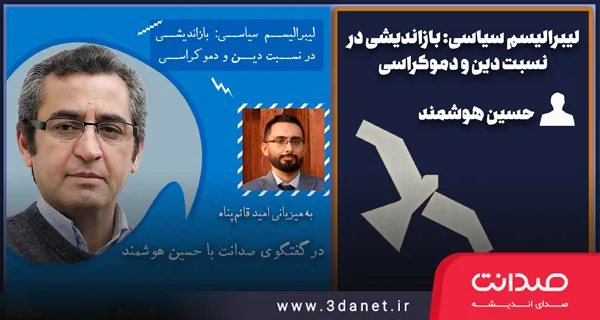
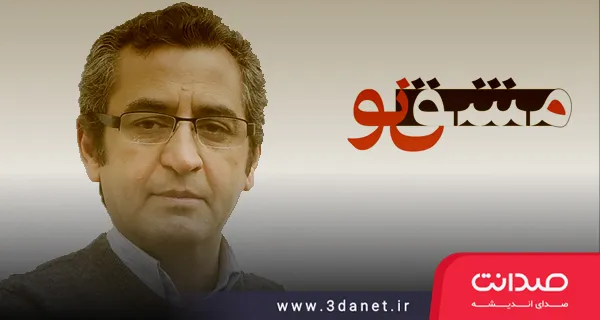
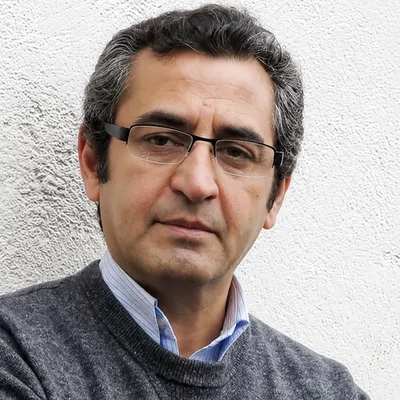
Hossein Houshmand
Hossein HoushmandPhilosophyIranianb. 1944


Life and Thought
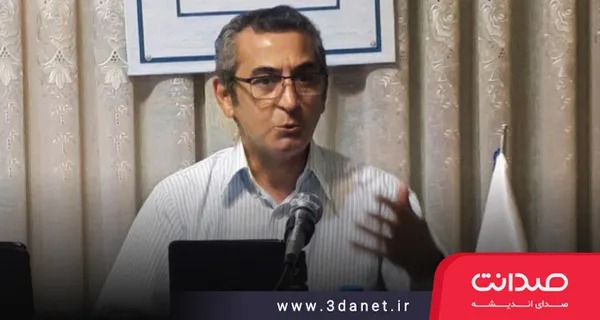
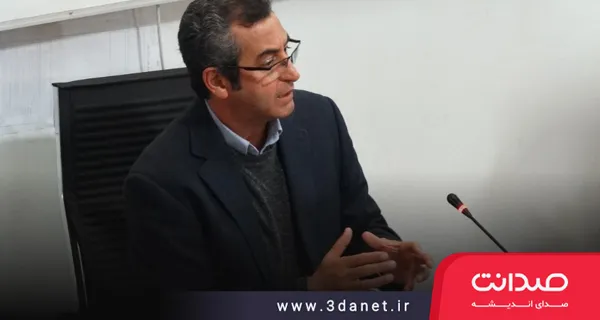
Hossein Hooshmand, a graduate in philosophy of religion and comparative moral philosophy from Concordia University, is an independent researcher in the fields of political philosophy, philosophy of religion, and Islamic thought. His research focuses on the intersections between these fields and on the question of how religious traditions, particularly the Islamic tradition, can be rethought in the face of the philosophical, moral, and political challenges of the contemporary world.
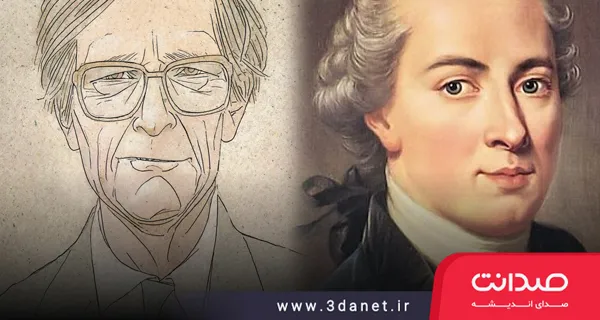
A significant part of his intellectual project is devoted to the relationship between critical rationality and religious commitment. This project draws inspiration from a minimalist reading of the Kantian Enlightenment; a reading that seeks to reconcile the rational critique of tradition with the preservation of the meaning and importance of religious commitment. In the philosophy of religion, he has been influenced by the works of Alvin Plantinga and Nicholas Wolterstorff in the Reformed epistemology tradition, and among modern religious thinkers, he pays special attention to Søren Kierkegaard and his reflections on faith, rationality, individuality, and religious life.
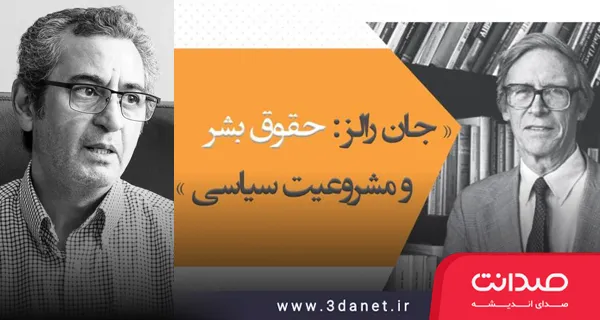
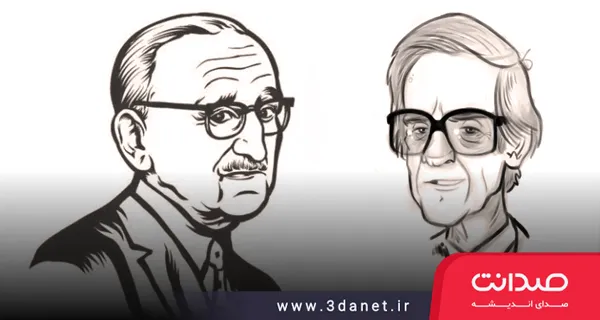
In political philosophy, a significant portion of his works and lectures is devoted to the thought of John Rawls, as one of the most prominent contemporary formulations of the minimalist Kantian Enlightenment; particularly to the theory of justice, the relationship between religion and democracy, and issues concerning human rights, peace, and international justice. One of the central concerns of these inquiries is the possibility of a dialogue between contemporary political philosophy and religious and moral teachings, as well as the questions such a dialogue raises about the relationship between religion and politics, social justice, and the possibility of peaceful coexistence among citizens committed to different beliefs in contemporary societies.