Philosophy
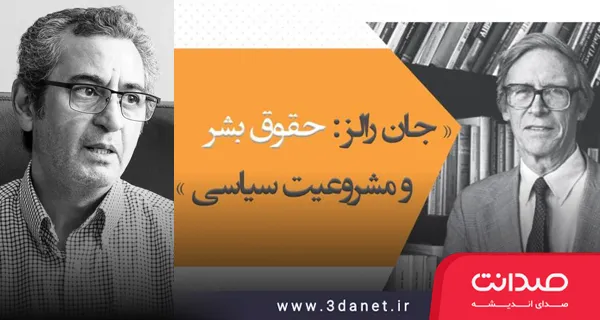
Hossein Hooshmand: Liberalism and Peaceful Coexistence
Peaceful coexistence in a society of diverse, reasonable moral and religious traditions requires distinguishing between comprehensive and political liberalism; Hossein Hooshmand sees liberal justice as the focus of an overlapping consensus between secular and religious citizens in a pluralist democracy.
Liberalism and Peaceful Coexistence
The most important feature of modern societies is the diversity and plurality of reasonable yet mutually incompatible philosophical, moral, and religious traditions, which arises from the inevitable disagreement among citizens regarding their moral and religious beliefs and values. Such disagreement is not merely the result of individual or class interests, nor is it a consequence of self-deception or other irrational causes; rather, it is a characteristic of reason itself, which, when operating freely, manifests in different comprehensive philosophical and religious doctrines. Hence, in the modern era and within the context of liberal democratic systems, a reasonable moral-religious pluralism has emerged. This fact raises an important question: Is peaceful coexistence possible in a society composed of citizens who believe in reasonable but profoundly different moral and religious traditions? If so, how? In this discourse, by distinguishing between two conceptions of liberalism—namely, comprehensive liberalism or Enlightenment liberalism, as a philosophy of life, and political liberalism, as a philosophy of politics—we will analyze and examine this question. Enlightenment liberalism emphasizes the importance of autonomous personal decisions in individuals' lives and considers the value of religious texts and doctrines to be negligible. Political liberalism, however, does not make such comprehensive claims about moral principles for individual decision-making; rather, it is focused on presenting a reasonable and freestanding conception of justice that guarantees and secures the basic individual and political rights and freedoms of all citizens. Secular and religious citizens, who have fundamental disagreements about the importance and role of moral autonomy, tradition, and religious texts in life, can, in principle, endorse such a theory of justice or political framework for different reasons, and thus the possibility of peaceful coexistence based on respect for mutual interests becomes feasible. Political liberalism demonstrates that liberalism is a tolerant and conciliatory political tradition that can be accepted by adherents of different philosophies of life (secular and religious): a political view that can be the focus of an overlapping consensus among citizens and provide a common public reason for supporting a pluralist democracy.
Biography of Dr. Hooshmand
Hossein Hooshmand studied at the universities of Tehran, McGill, and Concordia, and his doctoral dissertation in the field of comparative ethics was written on the ethical foundations of global politics from the perspective of John Rawls. Currently, he is an affiliated researcher at the Institute for the Humanities at Simon Fraser University (in Vancouver, Canada). Political philosophy, moral philosophy, and philosophy of religion are among his research interests. Numerous lectures, articles, and notes on contemporary political philosophy have been published by him.
.
.
Liberalism and Peaceful Coexistence
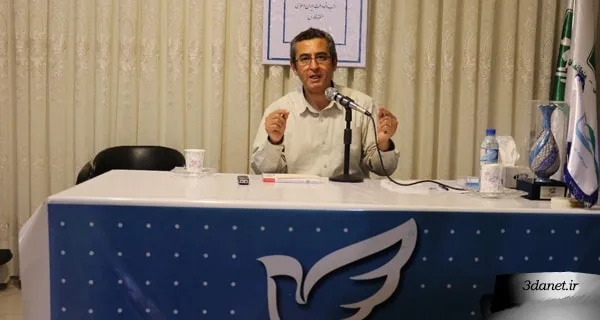
Hossein Hooshmand
August 11, 2022 Islamic Iran Nation Union Party (Fars Branch)
Watch the lecture video on YouTube
Watch the lecture video on Aparat
Direct download of the lecture audio
Full text of the lecture as PDF
.
.

Discussion2 comments
مشکل همان "یک تصور معقول" است آنجا که گفته اند : "...بلکه معطوف است به ارایٔه یک تصور معقول و خود-بنیاد از عدالت که حقوق و آزادی های اساسی فردی و سیاسی عموم شهروندان را تضمین و تأمین کند...." همچنانکه اشاره شده است ، مشکل در خود عقل میباشد : عقل ابزار ثابت نیست بلکه ابزاری است که خودش نیز رشد میکند مانند توسعه هندسه اقلیدسی به هندسه های غیر اقلیدسی در عصر ما....تحولات منطق ریاضی نیز موید این رشد عقلی است نه ایستایی و تحکم آن به رعایت قوانینی ثابت... اما آنچه "ثابت" است رخداد پیوستگی جدید ، پیوستگی گزاره های یافت شده جدید با یافته های قبلی است...هر چه بیشتر رعایت اتصال شود بیشتر عقلانی رفتار شده است.... مثلا در قرآن تنها با رعایت اتصال آیات در قرآن (بعنوان سندی برای عمل صحیح انسان) میتوانیم به مساوات برای همیشه بین انسانها برسیم اگر فرقه ای اسلامی رعایت این روش نکند نمی توانیم با آنها در یک تصور معقولی از عدالت مشترک شویم... همین مشکل در برخورد با کتاب طبیعت وجود دارد گروهی معتقدند هر جور خواستیم و لذت میبریم از منابع استفاده کنیم برای همه منابع وجود دارد ....گروهی میتوانند بگویند محیط زیست باید مراقبت گردد ، اسراف نکنیم و... بیجهت نیست که در قرآن کلمه "عقل" و "عقول" نداریم بلکه یعقلون و تعقلون و نعقل و عقلوه و مانند آنها داریم....عقل از ریشته بستن است...لذاست که امر به "وصل" سخنی برای همیشه است...و تکلیف عقل را نیز روشن میکند....وصل بین پدیده های طبیعت ، بین آیات قرآن ، بین انسانها.... رضایت اجتماعی ، داشتن حق اعتراض و ....وسیله برای رسیدن به این هدف ضروری قرآنی ، (بهره مندی همگانی و اتصال – مانند بهره مندی زمین ها و گیاهان مختلف اما کنار هم از یک آب) ، هستند... رضایت اجتماعی با رعایت رضایت و آزادی های اساسی فردی (مانند مالکیت) همیشه قابل جمع نیست ، سعی بی سرانجام است: لَنْ تَنَالُوا الْبِرَّ حَتَّى تُنْفِقُوا مِمَّا تُحِبُّونَ وَمَا تُنْفِقُوا مِنْ شَيْءٍ فَإِنَّ اللَّهَ بِهِ عَلِيمٌ ﴿۹۲﴾ آل عمران
oversimplificatio ساده سازی افراطی و مغالطه هایی که در این یک بند به کار رفته و باور به معقول بودن نظریه ای که جنگ ، آلودگی محیط زیست، نابودی جنگل ها، خشونت، فساد و تغییر اکوسیستمی جهان و همچنین این همه کشتار در چهار گوشه جهان را سبب شده واقعا حیرت انگیز است. به همین افغانستان نظری کنید و ببینید مدرنیته چه کرد و چگونه تلی از خرابه برجای گذاشت و چند هزار نفر مردم را به قتل رساند. اگر بجای تاثیر گیری از اتوریته های موجود کمی ذهن خود را به بیرون از فضای رومانتیک انتشارات معتبر متوجه کنیم آن گاه شاید چنین سخنان مغایر با واقعیتی را بر زبان نمیآوردیم.