Conversation
History of Science and Pseudohistory of Science; A Conversation with Amir-Mohammad Gamini
This conversation addresses the difference between the history of science and the pseudohistory of science, where engaging but inaccurate narratives replace documented historical research. Mohammad-Reza Vaez and Amir-Mohammad Gamini discuss the methodology of the historiography of science and the dangers of myth-making narratives about the past of science.
About this video
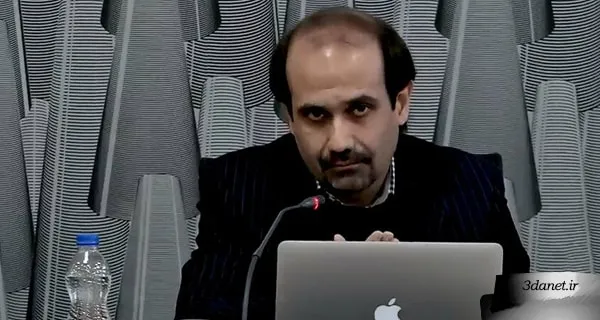
In the first program of the online dossier "From Science to Pseudoscience," Mohammad-Reza Vaez speaks with Amir-Mohammad Gamini, a faculty member at the Institute for the History of Science at the University of Tehran, about "History of Science and Pseudohistory of Science." The main topic of the program is how to distinguish between precise historical research on science and exaggerated, ideological, or unsubstantiated narratives about the past of science.
History of science is not merely the collection of scientific accolades or the recounting of engaging stories about scientists; rather, it requires method, documentation, historical context, and the avoidance of present-day judgments about the past. In contrast, the pseudohistory of science usually presents a distorted picture of science and its history through simplification, myth-making, appropriation, or the magnification of the roles of individuals and civilizations.
The importance of this discussion lies in the fact that an incorrect understanding of the history of science can lead to the formation of misconceptions about science, Islamic civilization, modern science, and the relationship between tradition and modernity. This video is suitable for those interested in the history of science, philosophy of science, science studies, the critique of pseudoscience, and the history of thought in Iran and the Islamic world.