Philosophy
When the Translator Brings the Cosmos Crashing Down on Nagel's Mind! (A Critique of the Persian Translation of Thomas Nagel's Mind and Cosmos)
The Persian translation of Thomas Nagel's Mind and Cosmos, a critique of Darwinian naturalism, suffers from serious errors due to the translator's unfamiliarity with analytic philosophy; a review of the Persian version by Javad Heydari.
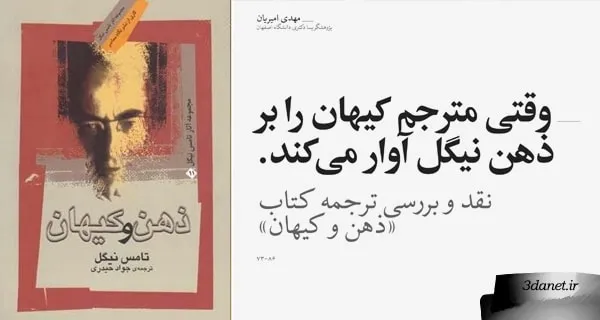
About Thomas Nagel and His Book:
Without a doubt, Thomas Nagel, the retired philosopher from New York University, is one of the most important analytic philosophers of the 20th and 21st centuries. He has numerous books and articles in various fields such as philosophy of mind, ethics, and political philosophy. At least in the field of philosophy of mind, in which the author has modest expertise, with the publication of the article “What Is It Like to Be a Bat?” (1974), he managed to breathe new life into the philosophy of mind in the current scientific and objective world and to introduce consciousness as one of the important problems of analytic philosophy and philosophy of mind. His general approach in this area of philosophy is opposition to the approach of “reductionism,” according to which all non-physical matters, such as mental properties, are reduced to physical properties.
In his recent work (abbreviated as Mind and Cosmos), which happens to be the book whose translation we have subjected to critique and review, Nagel attempts, with regard to the three categories of consciousness, cognition, and value, to once again stand against any naturalistic interpretation of these matters and to deny the materialistic Darwinian interpretation of them. Therefore, the aforementioned book should be seen as a continuation of Nagel’s intellectual trajectory, who throughout his years of scholarly activity has always tried to oppose any conventional naturalistic approach to non-physical matters. Accordingly, the translation of this book can be considered highly important, and its selection by the translator can be evaluated as a worthy choice.
About the Translator
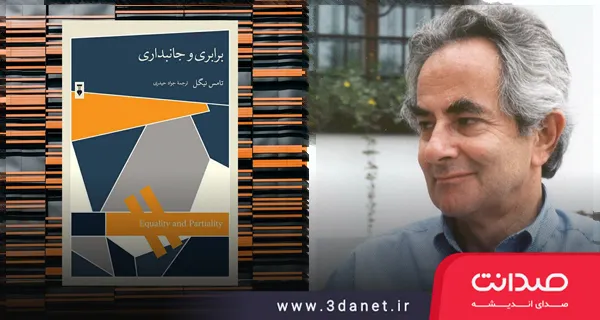
According to Dr. Javad Heydari’s personal page at Shahed University, he received his integrated master’s degree in Islamic Studies and Political Science from Imam Sadiq University and his doctorate in Political Science, with a concentration in Political Thought, from Tarbiat Modares University. He is currently a faculty member at Shahed University. His main activity should be considered in the field of translation, as for several years, driven by his interest in Nagel, he has endeavored to render the works of this philosopher into Persian. In addition to the present book, the books What Does It All Mean?, Ethics, Equality and Partiality, The Possibility of Altruism, and a collection of articles titled Mortal Questions, in collaboration with Mostafa Malekian, are among his translated works, all of which are considered writings of Nagel and have been published by Negah-e Moaser Publishing.
The Book’s Translation at a Glance
If we are to offer an overall judgment about the book’s translation, we must acknowledge that, unfortunately, the translator does not achieve a passing grade. The reader does not need to collate to verify the truth or falsehood of this claim and compare the Persian text with the original; rather, if they simply read the translated book, they will confirm this matter. Perhaps the translator’s main weakness, which his academic background also attests to, can be considered unfamiliarity with analytic philosophy; a weakness that has caused the translator to be overwhelmed by the original text and unable to even provide a minimal rendering of this book, and in many cases, to disregard the key terms of philosophy. Although in our detailed critique and review of this book we have selected a small volume and chosen only about 8 pages of the book’s pocket-sized text related to consciousness (pages 57-65), you will nonetheless see how numerous its problems are.
Critique and Review of the Translation:
پیش از نقد تفصیلی، توجه خواننده را به دو نکته جلب میکنیم: اولا کتاب علاوه بر عنوان (ذهن و کیهان) دارای زیرعنوانی مهم است (چرا تصور ماتریالیست نوداروینی از طبیعت یقینا کاذب است) که متأسفانه نه نشانی از آن روی جلد دیده میشود و نه در صفحات آغازین. ثانیا پس از مقدمه مترجم، صفحاتی با عنوان «لب اللباب: برای خواننده ایرانی» دیده میشود که مترجم آنرا از جای دیگر به کتاب افزوده است و جزء کتاب نیست. البته آدمی گمان میکند که نیگل این مقدمه را به سفارش مترجم و واقعا برای خواننده ایرانی نوشته است اما چنین نبوده و این نوشته کوتاه، خلاصهای است که نیگل در سال 2013 به رشته تحریر درآورده و متن آن در صفحه «The New York Times» موجود است. زیبنده بود که مترجم به هر دو نکته اشاره میکرد. اکنون به بررسی تفصیلی ترجمه بنگرید که ما آنرا در چهار بخش دنبال کردهایم. نکته حائز اهمیت آنکه، اگر در یک جمله فقط کلمه یا عبارتی مشکل ترجمهای داشته باشد اما این اشکال به معنای کل جمله آسیب زده باشد، ما آنرا در بخش نخست ارزیابی کردهایم.
1_ جملاتی که اشتباه ترجمه شده است.
1_1_ صفحه 57:
If we take this problem seriously, and follow out its
implications, it threatens to unravel the entire naturalistic world
picture.
برگردان مترجم:
اگر ما این مسأله را بجد بگیریم، و لوازمش را استخراج کنیم، آنگاه احتمال توضیح کل جهانتصور طبیعتگرایانه میرود.
توضیح:
مترجم در این جمله دچار خطاهای متعددی شده است. اگر از اشکالهای ویرایشی آن بگذریم، مهمترین خطا آن است که مترجم جمله را کاملا برخلاف منظور نویسنده ترجمه کرده است. نیگل در نخستین پاراگراف از این بخش، پس از آنکه بیان میکند نمیتوان توصیفی فیزیکی از آگاهی ارائه داد، درصدد است توضیح دهد که اگر این مسأله را جدی بگیریم، تصویر طبیعتگرایانه زیر سوال میرود. بنابراین معنا ندارد که نیگل قبل از این جمله، آگاهی را مانعی بر سر راه طبیعتگرایی بداند، آنگاه طبق ترجمه در جملة تقریبا پایانی بر توضیح طبیعتگرایی از جهان اصرار ورزد. اساسا نیگل درصدد است که در این کتاب مشکلات چنین تصویری را برملا سازد. بعلاوه وی در جمله بعدی مینویسد: « با اینهمه بدیلهای طبیعتگرایانه دشوار هستند.» نیگل با بیان این جمله میگوید، هرچند آگاهی تهدیدی است علیه تصویر طبیعتگرایانه از جهان با اینحال چنین نیست که بدیلهای تصویر مذکور، آسان باشد.
شاید بتوان گفت مهمترین علت در ترجمه اشتباه این جمله آن است که واژه « threatens » به دو معنای «تهدید...به کردن» و «احتمال وقوع... را دادن» به کار رفته است و مترجم معنای دوم را برگزیده است. درحالی که اگر به بافت جمله توجه داشت احتمالا مرتکب چنین خطای بزرگی نمیشد.
ترجمه پیشنهادی:
اگر این مسئله را جدی بگیریم و لوازمش را دنبال کنیم، تهدیدی است بر رازگشایی از کل تصویر طبیعتگرایانه از جهان.
2_1_ صفحه 58:
…and the secondary qualities …were to be analyzed relationally, in terms of the power of physical things, acting on the senses, to produce those appearances in the minds of observers.
برگردان مترجم:
...و کیفیات ثانویه... باید به نحوی نسبی تحلیل میشدند، یعنی بر حسب نیرویی که اشیای مؤثر بر حس بر آن ظواهر موجود در اذهان مشاهدهگران اِعمال میکند.
توضیح:
According to the picture of the world held by modern thinkers such as Descartes and Galileo, secondary qualities like color, sound, and smell consist of the relation of objects to us, in such a way that external objects act upon our senses to form appearances of them in the mind. If, based on the above translation, we conclude that the translator had no understanding of the matter, we would not be speaking amiss. Not only has he mistranslated words in two instances, which we will address, but by failing to translate the phrase “to produce,” he has arrived at the completely incomprehensible sentence above.
Suggested translation:
....and secondary qualities... must be analyzed relationally, in terms of the power of physical objects to act on the senses to produce those appearances in the minds of observers.
3_1_ p. 58:
It has become clear that our bodies and central nervous systems
are parts of the physical world, composed of the same elements as
everything else and completely describable in terms of the modern
versions of the primary qualities—more sophisticated but still
mathematically and spatiotemporally defined.
Translator’s rendering:
It has become clear that our body and central nervous system are part of the physical world, composed of the same elements as other things, and are completely describable in terms of the new versions of secondary qualities—a more complex definition but still mathematical and spatiotemporal.
Explanation:
This passage, like the previous one, not only contains problems in the translation of words but is also incorrect in terms of sentence translation. Nagel seeks to explain that although current accounts of the body and nervous system have become more complex, they are still mathematical and quantitative. Now, consider whether this point can be gleaned from the above translation? According to this translation, it is as if Nagel wants to state that according to modern accounts, describing the body and central nervous system is possible, and therefore it differs from previous descriptions.
Suggested translation:
It has become clear that our bodies and central nervous systems are parts of the physical world, composed of the same elements as everything else, and completely describable in terms of the modern versions of the primary qualities—more sophisticated but still mathematical and spatiotemporal.
4_1_ p. 59:
This attempt to overcome the division from the direction of the mental extends from Berkeley…to the logical positivists, who analyzed the physical world as a construction out of sense data.
Translator’s rendering:
The above attempt to overcome this division from the direction of mental affairs extends from Berkeley [Berkeley=]... to the logical positivists, who analyzed the physical world as a construction within sense data.
Explanation:
It is clear that when the author juxtaposes the two views of idealism and positivism, each one’s attitude toward the mind must be the exact opposite of the other. With this interpretation, how is the physical world within sense data according to the positivists? Which dictionary, that we are unaware of, has defined the word “out” as “within”?
Suggested translation:
The attempt to overcome the separation begins from Berkeley and in the direction of the mind... and extends to the logical positivists, who analyzed the physical world as a construction out of sense data.
5_1_ p. 59:
Then, in a rapid historical shift whose causes are somewhat obscure,
idealism was largely displaced in later twentieth-century analytic
philosophy by attempts at unification in the opposite direction,
starting from the physical.
Translator's Rendering:
در این صورت، در تغییر تاریخی سریعی که عللاش تا حدی مبهم است، ایدهآلیسم تا حد زیادی در فلسفهی تحلیلی قرن بیستم متأخر با تلاش در جهت اتحاد در مسیر مخالف، یعنی با شروع از امور فیزیکی از جا تکان خورده است.
Explanation:
بسیار بعید است که خواننده با اتکاء بر ترجمه بتواند درک درستی از مطلب داشته باشد. اگر قرار باشد برگردان مترجم صحیح باشد حتما موظف خواهیم بود از نیگل بپرسیم که با بیان عبارت «تلاش در جهت اتحاد در مسیر مخالف» چه معنایی را اراده کرده است. نیگل پس از اینکه درباره ایدهآلیسم سخن میگوید، صرفا قصد دارد توضیح دهد که این دیدگاه در قرن بیستم جای خود را به مادیانگاری داده است.
Suggested Translation:
پس در یک تغییر تاریخی سریع که علل آن تا حدودی مبهم است، ایدهآلیسم تا حد زیادی جای خود را در جهت مقابل به تلاشهای یگانهگردانی داده که نقطه آغازش امور فیزیکی است.
6_1_ صفحه 59:
This would continue the onward march of physical
science, through molecular biology, to full closure by swallowing up
the mind in the objective physical reality from which it was initially
excluded.
Translator's Rendering:
این نگرش روند رو به جلو علم فیزیک را، از طریق زیستشناسی مولکولی، به تعطیلی کامل میکشاند برای اینکه ذهن را در واقعیت فیزیکی عینیای محو میکند و ابتدا به ساکن ذهن را نادیده میگیرد.
Explanation:
مؤلف که در چند سطر جلوتر، دیدگاه مادیانگارانه درخصوص ذهن را توضیح میدهد، در این جمله قصد دارد بیان کند که قرار است براساس زیستشناسی مولکولی تبیین فیزیکی ذهن صورت پذیرد. حال بنگرید به ترجمه؛ درست برخلاف چیزی است که گفتیم. گویی نگرش مادیانگارانه قرار است علم فیزیک را به تعطیلی کشاند. اولا کدام مادیانگار وجود دارد که تمایل داشته باشد به چنین کاری مبادرت ورزد و با دست خود تیشه به ریشه مادی-انگاری بزند؟ ثانیا ترجمه فوق با جملات قبل و بعد سازگار نیست. در این جملات بیان نیگل صرفا توصیفی است و از کاری که مادیانگار انجام میدهد گزارش میدهد نه اینکه دفعتا بخواهد در اواسط بند، با ایراد جمله مذکور، بر نادرستی مادیانگاری حکم نماید.
Suggested Translation:
این دیدگاه با بلعیده شدن ذهن در واقعیت فیزیکی که از آغاز آنرا کنار گذاشتند، حرکت رو به جلوی علم فیزیکی را از طریق زیستشناسی مولکولی تا فرجام نهایی پی میگیرد.
7_1_ صفحه 59:
The task is to come up with an alternative, and here begins a series of failures.
Translator's Rendering:
وظیفه [ی ما] به دست دادن یک شق بدیل است، و در اینجا کار خود را با یک سلسله از ناکامیها شروع میکنیم.
Explanation:
در ادامه جمله قبلی و در انتهای پاراگراف، نیگل برای آغاز پاراگراف بعدی میگوید حال که مادیانگار با نظر دوگانهانگار مخالف است، مأموریت دارد نظریهای بدیل برای مسئله ذهن و بدن ارائه کند که از همینجا سلسلهی شکستها آغاز میشود. اما طبق ترجمه اولا این وظیفه نه بر دوش مادیانگار بلکه بر دوش کسانی چون نیگل است ثانیا فاعل فعل «آغاز کردن» نه «ناکامی» بلکه نیگل است. بهدلیل همین اشتباه است که مترجم گمان کرده برای توضیح جمله نیاز دارد واژه «ما» را به ابتدای آن بیفزاید
Suggested Translation:
The mission is to arrive at an alternative viewpoint, and from here a series of failures begins.
8_1_ Page 60:
the names of mental states and processes were said not to be
referring expressions.
Translator's rendering:
The names of mental states and processes are considered referring expressions.
Explanation: It is obvious that when analytical behaviorists consider the mind and mental affairs as nothing but behavior, they will not regard the names of these states as having a specific referent that denotes them. Apparently, the translator has omitted the negation "not," thus providing a rendering contrary to the behaviorists' intent.
Suggested translation:
The names of mental states and processes are not recounting referring expressions.
9_1_ Page 60:
It is certainly true that mental phenomena have behavioral manifestations,
which supply our main evidence for them in other creatures.
Translator's rendering:
It is certainly a true statement that mental phenomena have behavioral manifestations, and the main evidence and proofs in favor of them in other creatures also confirm those phenomena.
Explanation:
Nagel affirms two points in this sentence: 1_ Mental phenomena have behavioral symptoms. 2_ These symptoms are evidence that through them one can infer the existence of mental phenomena in other creatures. The first point is gleaned from the translation, but what can be said about the second? The translation not only has editorial flaws, such that no native Persian speaker can be found who speaks this way, but it also does not correspond to the original text. Look at the verb "supply"; one must say either that the translator did not translate it or rendered it as "confirm." In either case, an error has been committed. This verb in the current context means "to provide," "to furnish," "to yield," and meanings of this sort.
Suggested translation:
It is certainly true that mental phenomena have behavioral symptoms that provide our main evidence for their existence in other creatures.
10_1_ Page 61:
That is required for the identity to be a scientific and not a
conceptual truth.
Translator's rendering:
The necessary condition is for the identity to be scientific and not a conceptual truth.
Explanation:
The discussion concerns the "identity" theory, according to which mental affairs are identical with physical affairs and are reducible to them. In the paragraph where the selected sentence is located, Nagel touches upon one of the most important questions. To explain, if we assume that firstly, the firing of C-fibers is identical with the sensation of pain, and secondly, in this theory, no conceptual analysis is to be performed and mental terms and phrases are not to be analyzed into physical alternatives, then it is necessary to consider a feature or property that is conceptually different from physical properties. Acknowledging such a feature or property is the basis of scientific identity. In other words, in scientific identity, we are not dealing with conceptual truth. Therefore, in addition to other flaws evident in the translation, its most important flaw is that the demonstrative pronoun "that" in the selected sentence refers to the aforementioned point (the existence of a property distinct from physical properties), whereas the translator has completely ignored it. With this preamble in mind, the translation of the above sentence can now be suggested as follows:
Suggested translation:
That is required for the identity to be a scientific truth and not a conceptual one.
11_1_ Page 62:
And what they leave out is just what was deliberately left out of the physical world by Descartes and Galileo in order to form the modern concept of the physical, namely, subjective appearances.
Translator's Rendering:
And what those theories omit is precisely what Descartes and Galileo had deliberately and knowingly omitted from the physical world in order to create a new concept of physical appearances, that is, mental ones.
Explanation:
Nagel believes that theories such as behaviorism, functionalism, and the like set aside something from the physical world, just as Descartes and Galileo did, and that is subjective, first-person appearances. Now look at the translation; firstly, how can one imagine that according to physicalist theories, where mental matters must be set aside, mental appearances express physical appearances? That is, do the proponents of these theories, on the one hand, eliminate the mental and, on the other, prove it—a proof in which physical appearances are given meaning by mental matters? Furthermore, what is the referent of "what"? The reader expects Nagel to say what it is that they omit. With this description, it must be said that the translator's major error in this sentence is that because the phrase "namely, subjective appearances" comes immediately after the phrase "concept of the physical," the translator imagined it describes that, whereas, as we observed, "namely, subjective appearances" is an explanation for the "what" that appears at the beginning of the sentence.
Suggested Translation:
What these theories leave out is precisely what Descartes and Galileo deliberately left out of the physical world to form the modern concept of the physical, namely, subjective appearances.
12_1_ page 63:
So if Ψ really is Φ in this sense, and nothing else, then Φ by
itself, once its physical properties are understood, should likewise
be sufficient for the taste of sugar, the feeling of pain, or whatever it
is supposed to be identical with.
Translator's Rendering:
Therefore, if, in this sense, Y really is Q, and nothing else, then Y alone, once its physical properties are taken for granted, should suffice for tasting sugar, feeling pain, or whatever is assumed to be identical with Q.
Explanation:
As is evident, the translator has substituted the symbols "Y" and "Q" for the two symbols "Ψ" and "Φ" respectively, whereas it would have been more elegant to include the author's original symbols. In English, "Ψ" is the symbol for any psychological or mental matter, and "Φ" is the symbol for a physical matter. Setting this point aside, a very simple mistake has caused the meaning of the entire sentence to change. If "Q" is the equivalent of "Φ," the author goes on to talk about this word, which is the symbol for a physical matter. In identity theory, "Φ," or in the translator's terms "Q," is the basis of the identity, and mental matters are reduced to it.
Suggested Translation:
Therefore, if in this sense "Ψ" really is "Φ" and nothing else, once we take the physical properties of "Φ" for granted, it should also, in itself, suffice for the taste of sugar, the feeling of pain, or whatever else it is supposed to be identical with.
13_1_ page 63:
It seems conceivable, for any Φ, that there should be Φ without any experience at all.
Translator's Rendering:
For any Q, it is conceivable that Q exists without our having any experience of it at all.
Explanation:
One of the important criticisms of the identity theory was expressed by Kripke. According to him, type names such as water and H2O, like proper names, are rigid designators. Therefore, if they are identical, they are necessarily identical. But if they are not necessarily identical, they are fundamentally not identical. Now, if, as proponents of the identity theory claim, a physical entity such as "C-fiber" is identical with a mental entity such as "the sensation of pain," it must, like scientific identities such as water and H2O, be necessary; that is, one cannot conceive of either side without the other. But it is conceivable that C-fiber lacks the mental property of "the sensation of pain"; therefore, the two are not identical. In this sense, the discussion concerns a physical property that is devoid of a mental property, not that the relation of the physical property to us is being assessed and we say a situation can be conceived in which the physical property exists but we have no experience of it. In other words, in the identity theory, the relation between the two properties is assessed, not the relation of the physical property to us. Furthermore, regarding the perception of a physical property, the word experience is not used. In this text, experience refers solely to input mental properties.
Suggested translation:
For any Φ, it is conceivable that Φ exists without any experience.
1.14. Page 64:
But if we don’t regard that as an option and still want to pursue a unified
world picture, I believe we will have to leave materialism behind.
The translator's rendering:
But if we do not consider dualism the only possible alternative and, nevertheless, still want to pursue a unified worldview, in my opinion, we must leave materialism behind.
Explanation:
After Nagel spoke about some materialist theories such as behaviorism and the identity theory and declared them invalid, he now refers to the last materialist theory, namely eliminativism; the view according to which the mind fundamentally does not exist. Now he wants to say that if we do not consider this theory correct and still harbor a unified picture of the world, we must abandon materialism altogether.
But the translator has rendered the pronoun "that" as referring to the theory of dualism, whereas this reference is completely wrong and is inconsistent not only with the phrases of this sentence but also with the preceding and following sentences. It makes no sense to say that if we do not consider dualism a possible option, we must abandon materialism.
Suggested translation:
But if we do not regard eliminativism as a possible option and still want to pursue a unified picture of the world, I believe we must abandon materialism.
15_1_ Page 64:
I suspect that the appearance of contingency in the relation
between mind and brain is probably an illusion, and that it is in fact
a necessary but nonconceptual connection, concealed from us by
the inadequacy of our present concepts.
The translator's rendering:
My suspicion is that the possibility of a connection between mind and brain is probably an illusion, and this connection is, in fact, a necessary but non-conceptual connection, and the inadequacy of our current concepts conceals this connection from us.
Explanation:
This passage should be considered one of the masterpieces of the translation. Unfortunately, by mistranslating the word “suspect,” the translator has completely altered the meaning of the sentence. Nagel is trying to say that perhaps proponents of the identity theory regard the mind-body connection, like water and H₂O, not as contingent but as a necessary a posteriori truth, and since we currently lack sufficient concepts to illuminate such an identity, the identity nonetheless holds. But it must be acknowledged that this belief is deeply suspect. Now look at the translation; it is as if Nagel himself, in the guise of an identity theorist, believes that the mind-body relation is not contingent but necessary!!
Suggested translation:
I suspect that the appearance of contingency in the mind-body relation is probably an illusion, and that it is in fact a necessary connection, though not a conceptual one, which is hidden from us due to the inadequacy of our current concepts.
16_1_ page 65:
Certainly the mind-body problem is difficult enough that we
should be suspicious of attempts to solve it with the concepts and
methods developed to account for very different kinds of things.
The translator's rendering:
Certainly the mind-body problem is so difficult that we should be suspicious of attempts to solve it, given that these concepts and methods came into being to explain very different kinds of things.
Explanation:
Nagel's suspicion is directed at the attempts of those who want to solve the mind-body problem using concepts and methods employed for things other than and different from the mind-body problem. Now let the esteemed reader judge whether the aforementioned point is consistent with the translator's rendering or not?
Suggested translation:
Certainly the mind-body problem is difficult enough that we should be suspicious of attempts to solve it with the concepts and methods developed to account for very different kinds of things.
2_ Words and quasi-sentences that have been mistranslated. (First the translator's rendering, then the suggested translation.)
1_2_ page 57) physical science: “the science of physics” instead of “physical science” (This error is repeated on numerous occasions. The science of physics refers solely to a specific discipline, but if we believe in physicalism and consider the world to be constituted solely of physical components, then disciplines such as biology, psychology, etc., are also considered physical sciences.)
2_2_ page 57) quantitative description mathematically precise: “a quantitative and mathematically precise description” instead of “a mathematically precise quantitative description” (The adverb “mathematically” modifies not just “description” but “quantitative description.”)
3_2_ page 58) relationally: “in a relative manner” instead of “in a relational manner.” (This problem is repeated again on page 62.)
4_2_ page 58) parts: “section” instead of “parts.”
5_2_ page 58) primary qualities: “secondary qualities” instead of “primary qualities.”
6_2_ page 58) subjective experiences: “mental experiences” instead of “subjective experiences” (Since in this book the word “mental” is translated as “ذهنی,” it is necessary to choose a different translation for the word “subjective.” Another reason is that in this very sentence, subjective experiences are considered a subset of mental life.)
7_2_ page 58) creatures those of other: “the life of other humans” instead of “the life of other creatures.”
8_2_ page 59) have encouraged: “has revived” instead of “has encouraged.”
9_2_ page 59) primarily: “in the first instance” instead of “mainly.”
10_2_ page 59) ultimate reality: “ultimate reality” instead of “fundamental reality.”
11_2_ p. 60) behavioral dispositions: «گرایشهای رفتاری» instead of «استعدادهای رفتاری». (Disposition or propensity is a technical term in behaviorism. According to behaviorism, mental affairs are nothing but behavior. Even affairs that do not result in behavior are considered a kind of behavior because they have the potential or propensity to become behavior. Therefore, choosing the word «گرایش» for this term is not only unconventional but also fails to convey the aforementioned meaning.)
12_2_ p. 60) essentially: «اساسا» instead of «ضرورتا».
13_2_ p. 60) needs: «باید» instead of «نیاز است».
2.14. p. 60) mental statement: «گزارهی ذهنی» instead of «گفته یا بیان ذهنی» (گزاره is a philosophical term and differs from utterance or expression).
15_2_ p. 60) the aspect of mental phenomena: «وجه پدیدهی ذهنی» instead of « جنبهای از پدیدارهای ذهنی».
16_2_ p. 60) the way sugar tastes to you: «طعم شکر در مذاق شما» instead of « نحوهای که مزه شکر را میچشید». (The phenomenal quality of objects is the way they are experienced and appear to us.)
17_2_ p. 61) this in the phrase « Since this is not a conceptual truth»: «سخن» instead of «نظریه».
18_2_ p. 61) quality nonphysical experiential: «ویژگی آزمایشی غیر فیزیکی» instead of «کیفیت تجربی غیر فیزیکی» (Firstly, quality should be translated as کیفیت, not ویژگی. ویژگی is the translation for property, and unfortunately, the translator, as with many other terms, has not been careful to use the specific meaning for each one. But his other glaring error is in translating experiential as آزمایشی, whereas the intended meaning of this word in this context is experiential qualities. That is, at least a specific part of mental properties that possess quality, such as the way a pleasant smell appears. He did not notice what an incongruous combination a non-physical experimental property essentially is. What meaning does it have for a property to be experimental yet non-physical!?)
19_2_ p. 61) analysis conceptual: «تحلیل غیر مفهومی» instead of «تحلیل مفهومی».
20_2_ p. 61) behaviorism analytical: « تحلیل مفهومی» instead of «رفتارگرایی تحلیلی».
21_2_ p. 62) causes and is caused: «موجب» and «ناشی از» respectively, instead of «علت» and «معلول» (As we pointed out earlier, the terminology of each science must be translated correctly. When the beginning of the sentence speaks of adding a causal component, it should subsequently be translated as cause and effect.)
22_2_ p. 62) had to explain: «باید تبیین کنند» instead of « مجبور بودند تبیین کنند».
23_2_ p. 62) the reference of “pain“: «ارجاع به درد» instead of «ارجاع درد». (When reference comes with the preposition of, it is translated using «از» or the ezafe marker, the latter being appropriate here).
24_2_ p. 62) under the headings: «تحت عنوان» instead of «تحت عناوین».
25_2_ p. 62) leave out: «حذف کردن» instead of «کنار گذاشتن». (Since «حذف-گرایی» is one of the philosophical theories, it is not appropriate to use this phrase when discussing other views among which «حذفگرایی» is not included.)
26_2_ p. 62) Identity theorists: «نظریات اینهمانی» instead of «نظریهپردازان این-همانی».
27_2_ p. 62) Heat: «درجهی حرارت» instead of «حرارت» (Although this word can also be translated as temperature, when we say something is identical with molecular motion, the intended meaning is not temperature but heat itself. Temperature and heat are two things, not one).
28_2_ p. 62) argued: «قائل بود» instead of «استدلال کرد». (This is another instance showing that the translator has not paid attention to the specific terminology of philosophy.)
29_2_ p. 63) a priori: «پیشین» instead of «پیشینی». (Again, a lack of attention to philosophical terminology)
30_2_ p. 63) existing: «وجودی» instead of «موجودی».
31_2_ p. 63) or taste: “و بچشد” instead of “یا بچشد”.
32_2_ p. 63) effects: “اثر و تأثیر” instead of “تأثیرها”.
33_2_ p. 63) the taste of sugar: “چشیدن شکر” instead of “مزه و طعم شکر”. (It is the taste and flavor of sugar that has a phenomenal feel, not the tasting of it, which is merely a physical act.)
34_2_ p. 63) contingently: “مشروط” instead of “امکانی” (One of the most important claims of identity theorists is that scientific identities are not of the analytic sort so as to be necessary; rather, their relation is contingent. That is, although mind and body are identical, one can be conceived without the other, so their relation is not necessary. This point can be found in Place’s article, to which Nagel also refers. Incidentally, Kripke’s argument is that if two things are identical, the identity must be necessary, not contingent, and since the identity of mind and body is not necessary, there will consequently be no identity between the two at all. Now see how, from the rendering “مشروط”, one is supposed to grasp the aforementioned contingency. This also shows that the translator pays no attention to this word, which is a specific technical term.)
35_2_ p. 64) evidence: “قرائن و شواهد” instead of “شاهد”.
3_ Words and phrases that have not been translated. (These words are underlined. Here too, we first give the translator’s rendering of the phrase and then the suggested translation.)
3_1_ p. 57) Let me begin with a brief history of: “کار خود را با تاریخ مختصر ...شروع میکنم” instead of “اجازه دهید کار خود را با تاریخ مختصر...شروع کنم”
3_2_ p. 60) all that needs: “آنچه باید” instead of “همهی آنچه نیاز است”.
3_3_ p. 61) can be confirmed only by the future development of science : “میتوان آنرا با پیشرفتهای آینده علم تأیید کرد” instead of “صرفا میتوان آنرا با توسعه آتی علم تصدیق کرد”.
4_ Words and phrases that have no equivalent in the original text and which the translator has added to the translation without reason. (We have underlined the word not present in the text.)
4_1_ p. 59) The task is to come up with an alternative: “وظیفه[ی ما] به دست دادن یک شق بدیل است.” (Given what we have previously stated about this phrase, the translator’s addition is unnecessary.)
4_2_ p. 60) It is certainly true: “به یقین سخن صادقی است” instead of “قطعا صادق است”.
4_3_ p. 61) tended to be pulled back: “معمولا...عقبنشینی میکنند” (There is no need for this word, and its omission does no harm to the text.)
4_4_ p. 63) water you don’t need anything more than H2O for: “برای [تشکیل] آب به چیز بیشتری از H2O نیاز ندارید.” instead of “برای آب به چیزی بیش از H2O نیاز ندارید” (This translation conveys a kind of duality between water and H2O, as if water is something other than H2O that requires H2O for its realization. Whereas, according to identity theory, the point of this sentence is that water is H2O. One could be a property dualist and say that for the formation and realization of the mental, we merely need the material, yet still believe in a duality between mental and physical properties.)
5_ Editorial Problems
5_1_ An attempt has been made to mention the English equivalents of proper names in the text, but this rule has not been applied throughout the book. For example, see page 57; although the equivalent of Galileo’s name is given in brackets, the translator has refrained from providing the equivalent of Descartes’ name.
5_2_ On page 51, the equivalent of the sentence “the necessary condition is scientific identity, not conceptual truth” appears in italics, whereas this has not been observed in the translated text.
5_3_ In various lines of the selected section, the conjunction “و” appears immediately after a comma, which is contrary to Persian editing conventions. For example, see page 57, the sentence: “اگر ما این مسأله را بجد بگیریم، و لوازمش را استخراج کنیم....”.
6_ Problems with Persian Prose
If, setting aside the translation problems, we were to focus solely on the Persian prose and its readability, it must be said that the book has shortcomings in this respect as well. Although this can largely be inferred from the first section where we dealt with the translation of sentences, we will nonetheless point out some other instances here.
6_1_ Page 59: "In this dualist view..." (One could say: According to the dualist view...)
6_2_ Page 61: "This theory held that..." (Does a theory possess understanding and consciousness that we can attribute 'holding' to it? One could say instead: According to this theory...)
6_3_ Page 62: "The supererogatory addition of this need is that..." (Understanding this sentence is left to the reader!)
6_4_ Page 63: "We usually know water through its qualities perceptible to the senses." (Instead of "qualities perceptible to the senses," one could choose the shorter word "sensible.")
Plagiarism
Before the beginning of the book, the translator has added an introduction titled "Translator's Introduction." Upon reading it, we find that this introduction serves as a review article, indicating the author's relative mastery of Nagel's book. Because the language of this introduction sounded like a translation, the writer of these lines was prompted to search the internet, and it is with great regret that it must be said this introduction is taken from an article by a person named "Moreland," published in the same year as the book's release in a journal titled "Philosophia Christi," issue 14, and unfortunately, the translator has rendered it into Persian under his own name. Interestingly, the translator did not even attempt to change the page numbers that Moreland referenced based on the English text, and merely added a paragraph at the end of this article expressing gratitude to certain individuals, such as Mr. Mostafa Malekian, by whom he appears to be greatly influenced. Everyone knows that today, such an act is called nothing but academic theft or plagiarism, and it is dealt with seriously in academic circles.
Final Word
At the unveiling ceremony for the translation of the book "Equality and Partiality," held in Mashhad in June 2015, Mr. Mostafa Malekian considered Dr. Heydari to be the sole student and friend who took his introduction to Nagel seriously and endeavored to translate his works into Persian. Malekian goes on to say:
"To be honest, I really don't stand on ceremony with anyone in scholarly matters. I say this sincerely. If I were to make a fair judgment, in my opinion, Dr. Heydari's translations are excellent in terms of accuracy."
We cannot say anything here about other translated works of Nagel, as each requires a separate examination. But if we focus solely on the book "Mind and Cosmos," with an optimistic view, it must be said that Mr. Malekian has not examined the translation of this book; otherwise, he would have at least made an exception for this book in his remarks. Of course, it is now necessary for experts to examine Dr. Heydari's other books so that the degree of accuracy of Mr. Malekian's statement becomes clearer.
We hope this critique has been able, to a small extent, to reduce the audacity and recklessness of translators like Mr. Heydari, and that they test their knowledge of a book's subject before translating a work. Of course, given the unreadability of the Persian text, it is incumbent upon all of us, including Mr. Heydari, to attach greater importance to the Persian language. We also hope that publishers like Nashr-e Negah-e Mo'aser do not place blind trust in the translator and at least submit portions of the translated work for review by specialists in that field.
.
.
PDF file of this article
.
.
"When the Translator Brings the Cosmos Crashing Down on Nagel's Mind"
A Critique of the Translation of the Book "Mind and Cosmos"
Author: Thomas Nagel; Translator: Javad Heydari; Negah-e Moaser Publishing: 2013
Review Author: Mehdi Amirian
.
.
Related Content:
Javad Heydari's Response to Mehdi Amirian's Critique
.
.




Discussion10 comments
با سلام و احترام هم ترجمه آثار نیگل خصوصا اثر مورد نظر، مبارک است و هم نقد و نقادی پیرامون ترجمه ها خاصه ترجمه منظور نظر، نقدپذیری و نیز رعایت انصاف در نقد هم مبارک و بایسته است!
یاد آن داستان مثنوی افتادم که چند نفر در نماز به هم تذکر دادند تا نماز هر یک باطل شد: چار هندو در یکی مسجد شدند بهر طاعت راکع و ساجد شدند هر یکی بر نیتی تکبیر کرد در نماز آمد بمسکینی و درد مؤذن آمد از یکی لفظی بجست کای مؤذن بانگ کردی وقت هست گفت آن هندوی دیگر از نیاز هی سخن گفتی و باطل شد نماز آن سیم گفت آن دوم را ای عمو چه زنی طعنه برو خود را بگو آن چهارم گفت حمد الله که من در نیفتادم بچه چون آن سه تن پس نماز هر چهاران شد تباه عیبگویان بیشتر گم کرده راه ترجمۀ جناب حیدری بسیار پر اشکال است.اما ایرادات خود شما هم بی غلط نبود.دوستان چند مورد را تذکر دادند.خدا کند نماز ما باطل نشود!
طبیعتا نقد ترجمه ناظر به قلم و نگاه مترجم، همیشه میتونه یک سیر دنباله دار داشته باشه و بر هر ترجمه ای نقدهایی رو از منظر افراد وارد دونست. تنها موضوع مهم در این نقد بحث انتحال است که باید قویا مورد بررسی قرار بگیره و پاسخگویی جدی رو به دنبال خودش بیاره. اگه اتهام وارده، باید مترجم و انتشارات (شاید) پاسخگوی این امر باشند و اگر وارد نیست، منتقد باید پاسخگوی جدی باشه. به نظر من بحث از ترجمه و دشواری او همیشه می تونه وجود داشته باشد. خطا فقط درصورت تعمد و عمده که حساسیت بالایی رو ایجاد می کنه و هیچ چیزی در این حوزه بدتر از انتحال نیست
عجیبه که ناقد که اینقدر مترجم رو پرهیز میده از تهور خودش اینقدر متهور و بیباکه در نقد. بسیاری از مواردی که ایشون نوشته سلیقهایه، مثل ترجمهی evidence به قرائن و شواهد که اصلاً توصیهی بعضی از مترجمانه. بعضیش هم اصلاً غلطه، مثل ترجمهی پیشنهادیاش در مورد out of و unravel. امیدوارم آقای حیدری موارد نادرست رو اصلاح کنه ولی خوبه آقای امیریان هم در مورد تلقیاش از دانش انگلیسی و فلسفهاش کمی تجدیدنظر کنه.
متاسفانه باید به این نقد، نقد جداگانهای اختصاص داده بشه مثلا out of معانی فراوانی دارد اتفاقا ترجمه مترجم درست هست Construction out of sense data یعنی ساختمانی بدست آمده از داده های حسی و نظر منتقد که out of را (خارج از) ترجمه کردند اشتباه است
نقد ترجمه از ضروریات جامعه ماست. نقد های جناب امیریان خیلی دقیق به نظر می آیند. سپاس از زحمات ایشان. از آقای ملکیان انتظار این تعریف بی جا را نداشتم.
خیلی خوشحال شدم که بالاخره کسی در نقد این ترجمههای «استاد» حیدری از نیگل دست به قلم شد. اصلاً یکی از خصوصیات فیلسوفان ذهن، نثری است که چون در بده بستان با علوم دقیقه همچون فیزیک و بیولوژی است شیوا، خوانا و صریح و به دور از هرگونه لفاظی است در حالیکه نیگل بدبخت زیر شلاق ترجمههای استاد حیدری تبدیل به رطب و یابسی نامفهوم گشته که خواننده بینوا اگر با مولف آشنا نباشد به خیال اینکه زبان نویسنده هم همینقدر نامفهوم است با فروتنی انگشت اتهام این نافهمی را به سوی خود خواهد گرفت. در حالیکه مشکل فقط و فقط کارنابلدی مترجم است. واقعاً وضعیت ترجمه متون فلسفی در این مملکت اسفبار است.
بنده متن انگلیسی نوشتههای نیگل رو دیدم واقعا دشوار هست. برای همین تا حالا کسی سراغ این متفکر نرفته است. اگر واقعا مطمئن هستی، نقد کن و نشان بده. وگرنه عقدهگشایی کار ما نیست.
چند نکته: یک. "ایرادات واقعاً مهمی" ذکر شده که امید است مترجم پر کار و محترم به کمک یک مترجم زبردست دیگر ویرایش مجدد کتاب را از سر بگیرند. انشاالله. دو. physical science: نه باید «علم فیزیک» و نه باید «علم فیزیکی» ترجمه کرد. بلکه- به اقتفای اکثر مترجمان زبردست ایران (فولادوند، سروش، پایا، اعتماد و...)- باید «علوم طبیعی» ترجمه کرد. سه. پاره ی زیادی از ایرادات وارد نیست و بیشتر مته به خشخاش گذاشتن است. مثلا به این قسمت توجه کنید: صفحه ۵۷) Let me begin with a brief history of: «کار خود را با تاریخ مختصر …شروع میکنم» به جای «اجازه دهید کار خود را با تاریخ مختصر…شروع کنم» یا مثلا این مورد: صفحه ۶۴) evidence: «قرائن و شواهد» به جای «شاهد». انصافاً اگر این موارد را اشتباه بدانیم- که بنده اصلا اشتباه نمیدانم- در کتاب کدام مترجم زبردست نمی توان نظیر اینها را سراغ گرفت؟ چهار. در بسیاری موارد نیز ترجمه پیشنهادی منتقد محترم خام و ناپخته است و نشان می دهد که چندان هم در ترجمه وارد نیست. مثلاً صفحه ۶۰) all that needs: «آنچه باید» به جای «همهی آنچه نیاز است».در حالی که باید پخته تر ترجمه می کرد: "تنها چیزی که نیازست... "
نوشتن نقد بر ترجمه امری بسیار زمانبر است. متاسفانه کتاب دیگری که از نیگل ایشان ترجمه کرده اند با عنوان برابری و جانبداری نیز به شدت بد هستند. در ایران مترجمان تلاش دارند تا خود را به نام یک نویسنده ای گره بزنند و در محافل روشنفکری جایی پیدا کنند، این کار بسیار زودبازده است اما به هیچ وجه پایا نیست. کاشکی فرصتی بود نقدی بر آن کتاب نیز نوشته میشد.