Philosophy
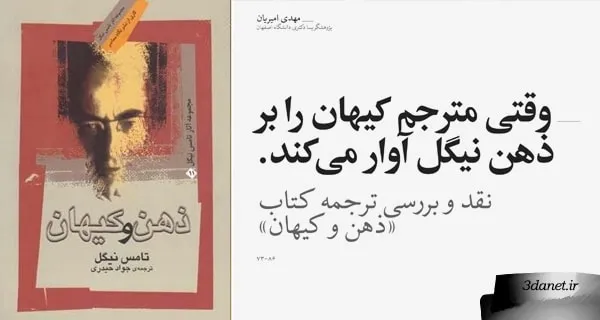
Introducing the Books of Thomas Nagel Translated by Javad Heydari
Javad Heydari introduces five books translated from Thomas Nagel—works such as Mind and Cosmos and The Possibility of Altruism that critique reductionism, expound deontological ethics, and examine the personal and impersonal standpoints.
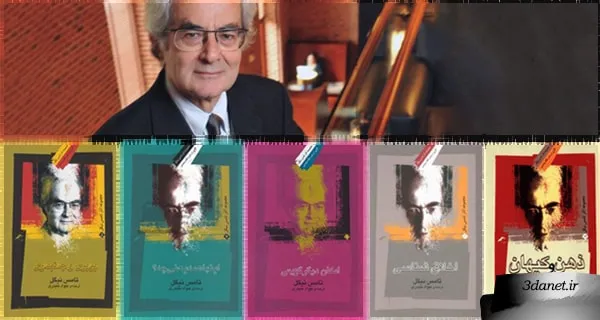
Thomas Nagel is an American philosopher who is currently a professor of philosophy and law at New York University. He conducts research in the fields of philosophy of mind, political philosophy, moral philosophy, and epistemology. He is best known for his critique of reductionist accounts of the mind, particularly in his article “What Is It Like to Be a Bat?”, and for his contributions to deontological ethics. In moral philosophy, he defends the possibility of altruism.
Introducing the Books of Thomas Nagel Translated by Javad Heydari
1_ The Book Mind and Cosmos
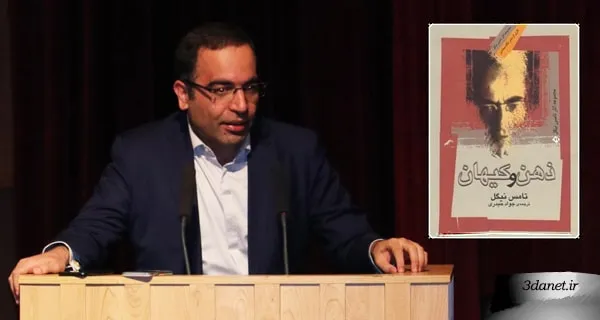
In “Mind and Cosmos,” Nagel wants to tell us that the worldview derived from evolutionary theory is incomplete and overlooks important things such as consciousness, cognition, and value. By critiquing this dominant and pervasive theory, he steers us toward the idea that the world is truly a “wondrous” place and that all theories that have sought to explain and understand the world have so far failed. In this respect, Nagel embeds “mysterianism” at the heart of his philosophy.
2_ The Possibility of Altruism
Nagel’s main point in “The Possibility of Altruism” is that living morally is the affirmation of these two propositions: 1. There are other human beings in this world besides myself, meaning ethics is opposed to “solipsism.” 2. All human beings have “equal importance.” From these two propositions, Nagel arrives at the possibility of an altruism that is the very core of ethics. All accounts of ethics that have been presented, in Nagel’s view, are interpretations of this equal importance of human beings.
3 and 4_ The Book Equality and Partiality and the Book Ethics
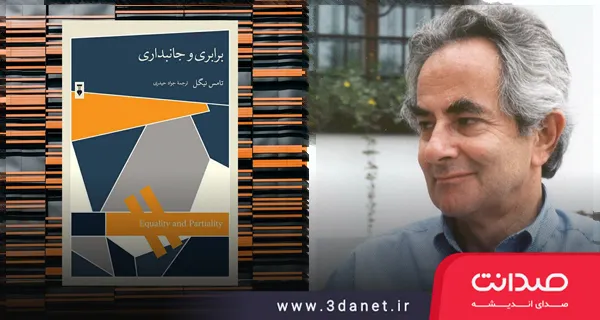
The essence of Nagel’s argument in “Equality and Partiality” is that within every individual there exist two standpoints: the personal and the impersonal. From the personal standpoint, we pursue personal benefit, so in this standpoint, there will only be conflict, compromise, and the accidental convergence of individual perspectives. From the impersonal standpoint, we also have concern for others. Without considering the personal standpoint, political theories fall into the trap of utopianism, and because they do not attend to the psychology of human realities, they will taste the bitter flavor of failure; and without considering the impersonal standpoint, political theories fall into the trap of abdicating moral responsibility. And in his “Ethics,” Nagel seeks to reconcile these two standpoints and examines and critiques major ethical and political theories from this perspective.
5_ What Does It All Mean?
In the introductory book “What Does It All Mean?”, Nagel poses 9 important philosophical problems, such as the external world outside our minds, our knowledge of the external world, the problem of other minds, the mind-body problem, the meaning of words, free will, justice, death, and the meaning of life. In this book, Nagel provides no answers to these 9 philosophical problems and merely examines these perplexing issues through those same two objective and subjective standpoints, or external and internal standpoints, or personal and impersonal standpoints.
.
.
Introducing the Books of Thomas Nagel Translated by Javad Heydari
Written by the translator of these books; Javad Heydari
.
.
In Search of Meaning, Thomas Nagel, Mehdi Moeinzadeh (translator), Tehran: Hermes, 1389
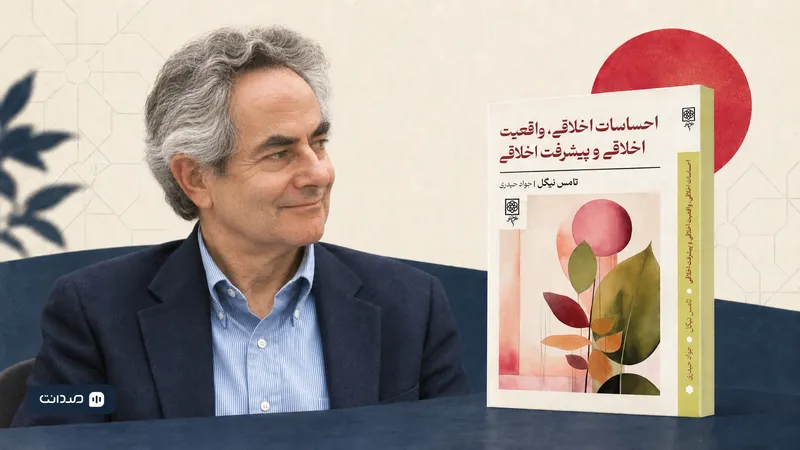
Ethics, Thomas Nagel, Javad Heydari (translator), Tehran: Negah-e Moaser, 1393
What Does It All Mean?, Thomas Nagel, Javad Heydari (translator), Tehran: Negah-e Moaser, 1392
Equality and Partiality, Thomas Nagel, Javad Heydari (translator), Tehran: Negah-e Moaser, 1394
Mind and Cosmos, Thomas Nagel, Javad Heydari (translator), Tehran: Negah-e Moaser, 1392
.
.


Discussion3 comments
ایشان اصلا مخالفتی با نظریه های داروینیستی ندارند بلکه ادعا می کنند که حزه هایی و پیده هایی وجود دارند که با نظریه داروینیستی و نیو داروینستی قابلیت توضیح دادن ندارند این البته الزاما به معنای تایید خلقت گرایی نمی باشد
روی جلد کتاب انگلیسی ایشان نوشته شده چرا نظریه ماتریالیستی نئوداروینیستی قریب به یقین غلط است. ایشان به صراحت با داروینیسم مخالفت می کنند. دیگر چه جور باید مخالفتشان را ابراز می کردند؟ و البته از سوی داروینیست ها مورد مواخذه شدید هم قرار گرفتند. گرچه خود ایشان قبول نمی کنند، اما نظریه شان شباهت بسیاری با عرفای خود ما دارند. و البته خلقت گرایی یک دفعه تلازمی با دینداری هم ندارد. مومنان بسیار کمی امروزه به خلق یک دفعه عقیده دارمد
با سلام و احترام خدا پدر جناب تامس نیگل(این فیلسوف بی خدا و بی دین، تازه اگر نگوییم ضد دین!) را بیامرزد که با نوشتن کتاب "ذهن و کیهان" به این مغالطه داروینیست ها که مخالفان داروینیسم خلقت گرا هستند و اغراض مذهبی دارند پاسخی علمی-عملی داد!(این مغالطه با نام های مغالطه "منشا" و مغالطه "خَلط انگیخته با انگیزه" شناخته می شود!) سپاس از جناب حیدری مترجم کتاب و سایت صدانت