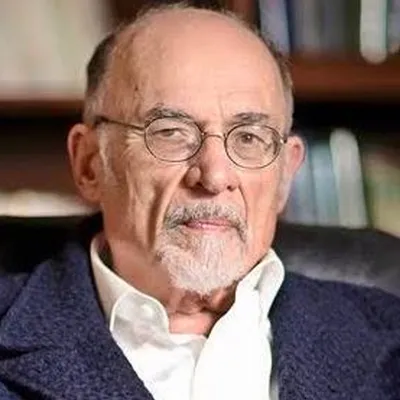
Foreign thinker
Irvin D. Yalom
Irvin Daniel YalomExistential psychiatry and psychotherapyAmericanb. 1931
"To change, we must confront what we are, not what we wish to be."


Life and Thought
Irvin Daniel Yalom is an American psychiatrist, Stanford University professor, and prominent writer known as one of the founders of existential psychotherapy. By focusing on fundamental human concerns such as death, freedom, isolation, and meaninglessness, he created a bridge between existential philosophy and clinical psychology.
Irvin Daniel Yalom was born in 1931 in Washington, D.C., to a family of Jewish immigrants from Russia. He studied medicine at Boston University School of Medicine, completed his psychiatric training, and later joined Stanford University, where he taught and conducted research for many years.
Yalom is one of the most influential figures in existential psychotherapy. In his classic work "Existential Psychotherapy," he developed a framework based on four ultimate human concerns: death, freedom, existential isolation, and meaninglessness. He argued that many forms of psychological distress are connected to humanity's encounter with these fundamental conditions of existence.
Beyond his theoretical works, Yalom introduced psychological and philosophical ideas to wider audiences through novels such as "When Nietzsche Wept," "The Schopenhauer Cure," "The Spinoza Problem," and "Creatures of a Day."