The human being is the only creature that can choose its own 'being' and fashion its own 'becoming'.
In their times
Open in the Timeline of ThoughtInfluenced7


Influenced by6




Critiqued1

Critics1

Contemporaries5


Life and Thought
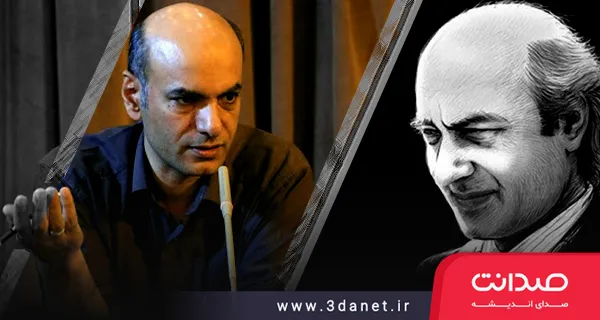
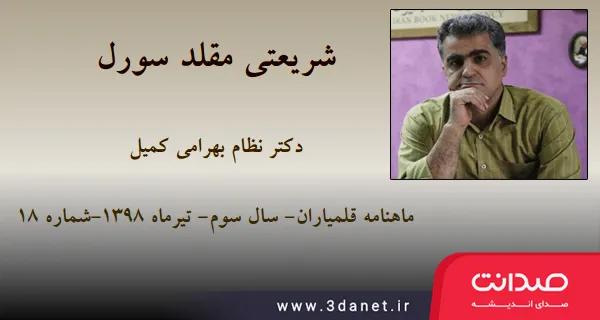
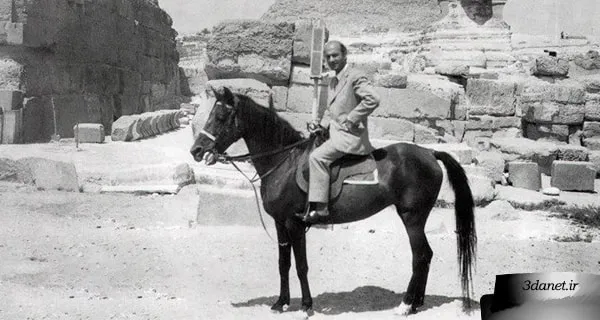
Ali Shariati (1933–1977) was an Iranian writer, lecturer, and sociologist of religion. He is considered one of the most influential contemporary religious intellectuals in Iran, whose social and revolutionary reading of Islam played a significant role in the intellectual developments leading up to the 1979 revolution.
Ali Shariati, born on 23 November 1933 in Mazinan and died on 19 June 1977 in England, was a writer, lecturer, sociologist of religion, Islamic scholar, and one of the most influential religious intellectuals of contemporary Iran. He pursued his university education in Iran and France, and upon returning to Iran, through teaching, writing, and lecturing—especially at Hosseiniyeh Ershad—became one of the most popular intellectual figures of the 1960s and 1970s.
Shariati sought to present a social, historical, and revolutionary reading of Islam and Shiism. He viewed Shiism not merely as a set of rituals, but as a force for seeking justice, protesting domination, and reconstructing social identity. For this reason, he influenced both the generation before the 1979 revolution and, after the revolution, became the subject of widely differing critiques and interpretations.
The central axis of Shariati's thought was the link between religion, society, history, and justice. He wanted to extract Islam from its traditional, individual, and ritualistic state and transform it into a language for liberation, social responsibility, and historical self-awareness. On this path, he employed concepts such as Return to the Self, Alavid Shiism versus Safavid Shiism, Ummah and Imamate, revolutionary self-construction, and social Islamology.
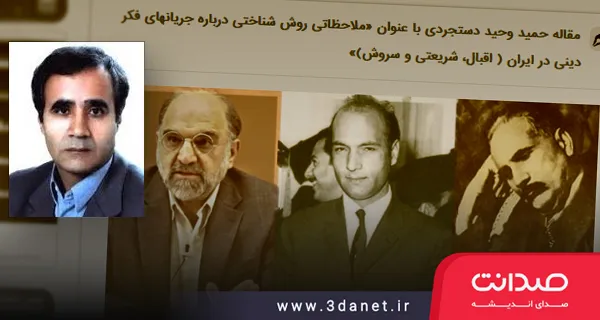
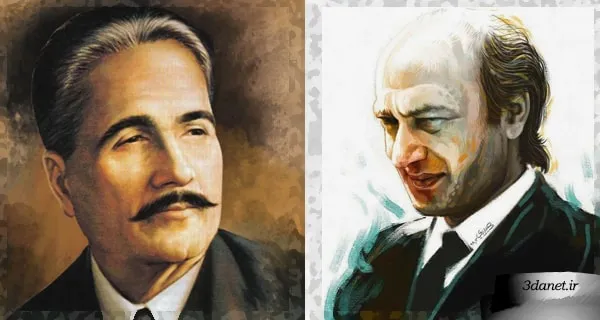
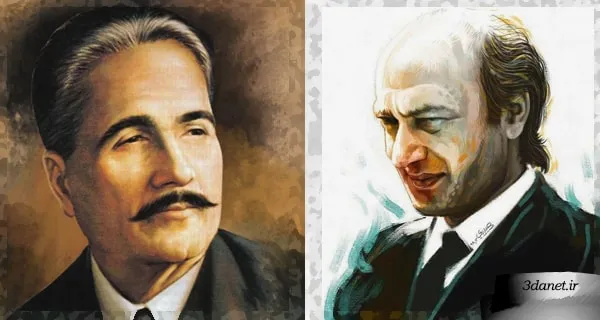
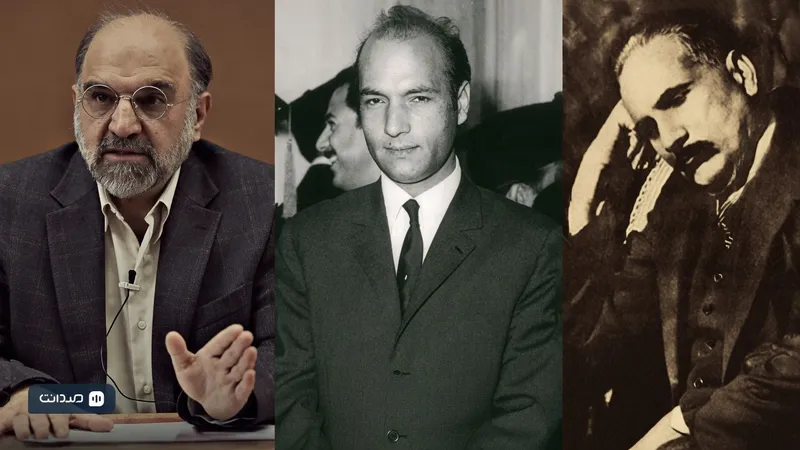
Shariati was also influenced by Muhammad Iqbal, Frantz Fanon, existentialism, European sociology, Islamic mysticism, and the history of Shiism. His style, more than being academic and systematic, was oratorical, literary, passionate, and mobilizing; this very characteristic was both the secret of his widespread influence and one of the reasons for serious critiques of his works.
A significant part of Shariati's fame stems from his lectures at Hosseiniyeh Ershad. The collection Islamology: Lessons of Hosseiniyeh Ershad is compiled based on these lecture series and constitutes three volumes of his 36-volume Collected Works.
In these lessons, Shariati endeavored to introduce Islam as a school of thought possessing a worldview, philosophy of history, anthropology, and sociology.
Shariati's works were compiled and published posthumously in the 36-volume Collected Works. Many of these books are originally transcribed texts of lectures, lesson series, letters, or scattered writings. The Center for Publishing Shariati's Works has also presented the list of his Collected Works in 36 titles.
Bibliography
Writings and transcribed lectures29 titles
With Familiar Audiences
Revolutionary Self-Cultivation
Abuzar
Return to the Self
Fatemeh is Fatemeh
We and Iqbal
An Analysis of Hajj Rituals
Shia
Prayer
Alavid Shi'ism and Safavid Shi'ism
Class Orientation in Islam
The Story of Civilization
Kavir
The Fall
History and Knowledge of Religions
Islamic Studies
Husayn, the Heir of Adam
What Is to Be Done?
Woman
Religion Against Religion
Worldview and Ideology
Human
Ali: Truth on the Cheek of Myths
Recognition of Iranian-Islamic Identity
The Method of Knowing Islam
Ummah and Imamate
Solitude Conversations
Letters
Juvenilia