Religion
Shariati and the Dual Functions of Socio-Political Tawhid
Shariati identifies two functions for socio-political tawhid: the rejection of discrimination among human beings and the repudiation of human domination and mastery over one another. In his view, accepting despotism is a form of shirk, and tawhid constitutes the foundation of human unity and the struggle against the Cainite order.
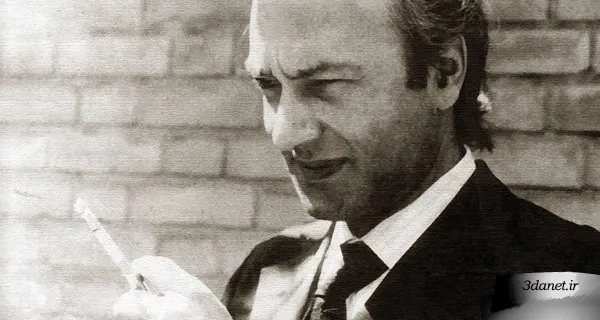
By examining Shariati's collected works, two functions can be enumerated for socio-political Tawhid from his perspective:
a) The negation of all discrimination (racial, cultural, ethnic, religious, etc.) of human against human.
b) The negation of all domination and lordship (religious, political, social, cultural, etc.) of human over human.
The present writing, which is the third part of the articles on the revival of socio-political Tawhid, examines these two functions of socio-political Tawhid in Shariati's view.
1
Shariati was a critic of the metamorphosis of Tawhid into mental-philosophical Tawhid and spoke of the necessity of returning to socio-political Tawhid:
"Shariati said that if Socrates brought philosophy from the heavens to the earth, Muhammad did the same with religion. He believed that Tawhid is not merely that God is one and no more, but that it has vast dimensions: when you believe that God is one, and that all creatures belong to one God, and are equal before Him and brothers (and sisters) to one another, then philosophical and theological Tawhid transforms into social Tawhid and the elimination of all distances and discriminations—racial, gender, class, ethnic, linguistic, and so on. That is why the Prophet said that all people are as equal as the teeth of a comb. In this way, he arrived from Tawhid at justice and the negation of all discriminations."
2
Shariati, like Bazargan, considered despotism to be shirk. In his Collected Works, volume 30, and in the book Islamology, he writes:
"Accepting despotism is accepting shirk: if we entrust our destiny to someone or place it in someone's hands, we have committed shirk; if we sell our freedom to someone, or consider someone our master, or accept the claim of someone who considers themselves our master, we are polytheists …
Anyone who, on account of power, knowledge, wealth, or race … acts arrogantly and presents themselves as greater than others, or 'imposes' their will upon the people and rules 'according to their own desire,' has claimed divinity, and whoever accepts that has committed 'shirk.' For 'absolute sovereignty,' 'absolute will,' arrogance, power, domination, and possession are the exclusive prerogative of God."
Shariati regarded shirk as a kind of religion, and in his view, the prophets had fought against shirk with the weapon of Tawhid. Meysam Badamchi writes about the place of shirk and Tawhid in Shariati's thought:
"In Ali Shariati's thought, the religious concepts of shirk and Tawhid were not abstract, subjective concepts, but had social and objective manifestations. The conflict between shirk and Tawhid was the conflict between dominating and dominated social classes throughout history. Shirk is the religion of a discriminatory social structure, whereas Tawhid, in its ideal form, is the religion of a society free from discriminatory relations. Shariati would say that when I speak of Islam, I do not mean the Islam that has been shown to you throughout history and has justified the existing unequal situation, but rather the religion whose Prophet (like the prophets of other Abrahamic faiths) sought to eliminate social shirk."
As stated in the previous article, Tawhid can be divided into mental-philosophical Tawhid and socio-political Tawhid. If we consider shirk as the antithesis of Tawhid, then shirk can likewise be divided into mental-philosophical shirk and socio-political shirk. The arena of the prophets' struggle with the polytheists was also in two realms: the mental-philosophical and the socio-political; Shariati called the latter the struggle against the Cainite system (the domineering masters of force, wealth, and deception). In his lecture Tawhid and Shirk, he says:
"In 'Religion against Religion,' Shariati argued that official religion had suppressed the emancipatory aspect of religion. In his view, piety was bound up with self-consciousness and responsibility. The famous triangle of gold, force, and deceit—or gold, the blade, and the rosary—succinctly and elegantly summarized the formula of suppression as follows: economic colonialism and material inequality (gold), despotism and political repression (force, the blade), and religious alienation or the internal justification of domination by the ruling class (deceit, the rosary, stupefaction). Correspondingly, Shariati described his ideal as the triangle of freedom, equality, and mysticism. In his view, freedom, equality, and mysticism complemented one another: freedom without equality would turn into a free market rather than free human beings, equality without freedom would lead to the violation of human sanctity and dignity, and mysticism without freedom and equality represented the worst kind of suppression."
He also spoke of the emergence of a second form of polytheistic religion and warned of its danger:
"Fighting the religion of idolatry, the religion of the elite and the affluent, when it lives naked, openly, and visibly, is easy. But the situation becomes dangerous when the religion of 'idolatry' and 'polytheism' appears and is presented in history in the garb and guise of the religion of 'Tawhid,' as a tool in the hands of the elite and the affluent. This is the second form of the religion of 'polytheism' that appears in history. It is here that the religion of idolatry, in the name of 'the religion of Tawhid against the religion of Tawhid,' and the idolaters, in the name of 'God-worshippers,' come to dominate the sincere leaders and strugglers of the God-worshipping movement, and this is 'dangerous'! (Religion against Religion, pp. 43 and 44)
3
Shariati believed that philosophers and theologians would themselves address mental-philosophical Tawhid; the duty of intellectuals was to revive the tradition of the prophets' socio-political Tawhid:
"Tawhid, by means of the prophets who were sent, was always revived, and the mission of reviving the tradition of Tawhid and the tradition of Abraham and the movement that Abraham initiated is, after the finality of prophethood, entrusted to the intellectuals of Islamic society. And I said that the responsibility of intellectuals is the responsibility of continuing the prophets' movement throughout history." (Collected Works 29, p. 322)
"Our responsibility is to strive for the realization of that religion, the religion of Tawhid, in the future. This is a human responsibility, so that in the future, the religion of Tawhid, as proclaimed by the prophets of Tawhid, may replace the narcotic, justificatory religions of 'polytheism' in human society. Therefore, our reliance on religion is not a return to the past, but rather, a continuation of the path of history."
In the next article, we will address socio-political Tawhid in the view of Ayatollah Taleghani.
.
.
Shariati and the Dual Functions of Socio-Political Tawhid
Author: Mohammad Ghotbi
.
.
Part One of this series:
Part Two of this series:
Part Three of this series:
Shariati and the Dual Functions of Socio-Political Tawhid
Part Four of this series:
Taleghani and the Emancipatory Nature of Socio-Political Tawhid
.
.


Discussion7 comments
بعضی از دوستان این نظر را ابراز میکنند و میکرده اند که دکتر شریعتی شخصی ایده آل گرا بودند در صورتی که اتفاقا دکتر شریعتی خود را واقع گرا معرفی کرده اند
برادران محترم سایت صدا نت.متاسفانه اینجا هم از این آفت مصون نمانده که بخش کامت ها به جای اینکه منعکس کنندۀ نگاه مخاطبین به مطلب عرضه شده باشد،تبدیل به بازار مشوش عرضۀ فکر کوتاه و اعلام موجودیت نداشته بر اساس توهم و جهل مرکب شده.دوستان نه متن جناب قطبی را خوانده اند نه آشنایی با آثار شریعتی دارند ولی بر خود واجب می بینند که در بخش کامنت ها اظهار نظر کنند.توصیه می کنم برای ایجاد سدی در برابر این نوع رفتار، برای ارسال دیدگاه از جانب مخاطبان، یکی دو سوال در مورد متن م بپرسید.در صورتی که پاسخی وجود داشت نظر ایشان را هم منتشر کنید.این اقدام نه مخالف دموکراسی است نه انجام سانسور.تنها مطمئن می شویم که فرد کامنت دهنده متن بیچاره را حداقل روخوانی کرده و تنها برای دادن نظر شتاب ندارد.قدری هم از شور و جوش و عجله برای نظر دادن کم می شود و انسان قدری راجع به نظر خود فکر می کند.
شریعتی بر خلاف فلاسفه متظاهر متبختر صداقت داشت. او را بخاطر افشا کردن دروغ ها و کاسبی فلاسفه همه دوست دارند.
اگرچه شریعتی در پندار این موضوع به سرمی برد که جامعه ی اصیل برپایه ی توحید اصیل خواهد بود، اما همین مسله خود به نوعی دیکتاتوری توحیدی می انجامد. دیدگاه شریعتی زیاده آرمانی و ایدیال است و آنچنان که باید، با زندگی روزمره ی مردم متناسب و هماهنگ نیست. لذا دیدگاه شریعتی در چهارچوب یک سری افکار که در نظام اعتقادی با او برابر هستند محصور مانده؛ به معنای واقعی نمی تواند روشنگر وضع جوامع در زندگی روزمره و خصوصا عصرحاضر باشد.
اگر دیکتاتوری و دموکراسی را از فاشیست های سیاسی و افراد تازه بدوران رسیده بگیرند یک جمله هم باقی نمی ماند. این دو لکسیس را در ادبیات جامعه ای می خوانیم که مسئول بزرگترین خفقان فکری و سنگین ترین کنترل فکر بوسیله رسانه های دیجیتال و دانشگاه های متعصب است.ساینتیزم ، لیبرالیسم ، طبیعت گرایی حتی در غرب هم مقبول و موجه نیست و حتی قدیمی شده
شریعتی مساوی با شعارهای پوچ وتوخالی مساوی با موجی از احساسات مساوی با طوفانی از کلمات مساوی با سیر داغ وپیاز داغ همه وهمه هیچ برای هیچ در راه هیچ تمام پوچ ومیان تهی البته عده ای شریعتی را فرزند زمانه خود میدانند وبدین دلیل از او سلب مسولیت میکنند ولی مطمئنا این زمانه دیگر دوران شریعتی سپری شده دین درعرصه عمل واجتماع نشان داده که حرفی برای گفتن ندارد
سلام. درباره موضوع توحید در اندیشه شریعتی بخش زیادی از مفسران و از جمله آقای علیجانی، تنها به همین بُعد نگاه کرده اند و موضوع تضاد و دیالکتیک را نادیده گرفته اند. یعنی آنها مبنای هستی شناسی شریعتی را که البته خود وی هم بر این تأکید دارد، توحید می دانند، در حالی که او از تضاد هم بسیار سخن می گوید تا جایی که تضاد را می توان پایه دیگر از هستی شناسی او دانست، بنابراین من در رساله دکتری بحث کرده ام که هستی شناسی شریعتی تنها بر مدار توحید نیست و خود وی هم نمی تواند موضع مشخصی اتخاذ کند، یعنی هستی شناسی او با بحران مواجه است