Religion
Socio-Political Tawhid in the Thought of Mehdi Bazargan: The Role of Despotism and the Rejection of Subjugation
Engineer Bazargan regarded despotism as a form of polytheism and the greatest false god, one that obstructs the worship of God. In his discussion of socio-political monotheism, he not only rejected political subjugation but also denounced blind imitation in religion as a kind of idolatry, refusing absolute obedience to anything other than God.
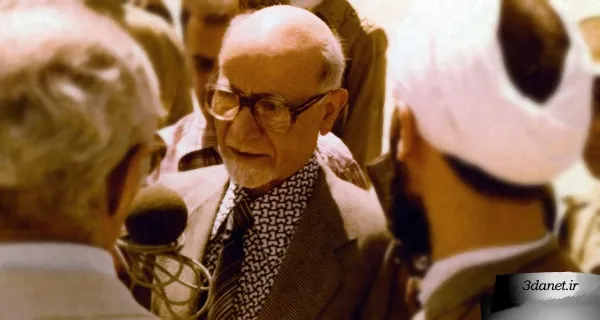
In the article “The Necessity of Reviving the Topic of “Socio-Political Tawhid” in the Discourse of Religious Intellectualism,” it was stated that the school of religious intellectualism needs a revival of the topic of “socio-political tawhid” and a re-reading of the first generation’s works in this area, so as not to dissolve the entirety of religion into personal spirituality, and by emphasizing the liberating aspects of religion in politics and society, to pave the way for the re-emergence of “multi-dimensional monotheists” (such as the Chamrans, Hanifnejads, and Hoda Sabers) from among those interested in this school.
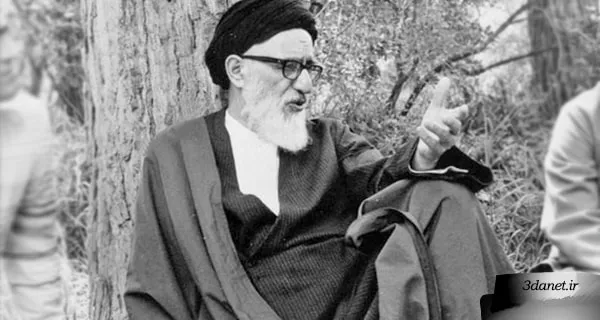
Continuing the discussions of the previous article, in a series of articles we will address the views of the first generation of religious intellectuals (Engineer Bazargan, Ayatollah Taleghani, and Dr. Shariati) on socio-political tawhid. This article will address socio-political tawhid in the view of Engineer Bazargan.
۱
If we define tawhid as the non-acceptance of any deity other than God and not associating partners with Him in His essence, attributes, and actions, tawhid can be divided into two parts: mental-philosophical (individual/existential) tawhid and socio-political tawhid. In this case, mental-philosophical tawhid can be understood as the non-acceptance of “one’s own divinity,” and socio-political tawhid as the non-acceptance of the pharaonism and “deification” by other human beings.
In his discussion of God and the Hereafter on page 293 of his collected works, volume seventeen, Engineer Bazargan considers “liberation from one’s own divinity” as one of the reasons for the sending of the prophets:
“The prophets, who according to the definition of believers, are those raised and sent by God to humanity, and the act of their mission is summarized in two things: a great and all-encompassing revolution against the self-centeredness of human beings, to direct them toward the Creator of the universe; and second, the announcement of a future and eternal world infinitely greater than the present world.”
In his book Āfāt-e Tawhid (The Blights of Tawhid), he refers to the prophets’ program regarding political-social tawhid and says:
“The obedience of people to an individual and the domination of an individual over people inevitably brings power, and following power, oppression and the obedience of creation, meaning taghut or despotic governments throughout history, which is one of the major blights of tawhid … One of the programs of the prophets was confronting servitude to taghut. ‘And We certainly sent into every nation a messenger, [saying], “Worship Allah and avoid taghut…” (An-Nahl: 36).’
“When the commander of the Islamic army (Mughira ibn Shu’ba) came before Hormuzan, the commander of Iran, and Hormuzan asked the reason for this movement, he replied: We have come to free people from servitude to people, so that they may become servants of God.”
The present article, with the presupposition of separating mental-philosophical tawhid from political-social tawhid, will address the topic of socio-political tawhid in the view of Engineer Bazargan.
۲
Engineer Bazargan opposed any form of subjugation in the realms of religion and politics, considered despotism to be shirk (polytheism) and worse than unbelief, and believed in the necessity of struggling against it. Bazargan’s views on the negation of political domination are centered on the axis of despotism:
“The greatest taghut is despotism, and it prevents us from the true worship of God.”
“The Quran and Islam do not recognize absolute sovereignty for any being or authority, whether real or legal, that seeks to deprive human beings of their freedom and divine right, according to the decree ‘and do not take one another as lords besides Allah’; whether directly for a person who sits on the throne of divinity, or under the guise and pretexts of Islam and religion.”
“When the government is despotic, God is not worshipped, but it is our duty, in order to worship God and not be polytheists, to struggle against the despotic government, because despotism itself is shirk. Accepting the lordship of an individual is shirk, and we must not be polytheists. Therefore, we must not submit to despotism, just as Imam Hussein did not submit and refused to pledge allegiance to Yazid.”
In the view of Engineer Bazargan, God is not worshipped in a despotic society under the command of a despotic ruler. During his trial in the Shah's military court in 1963, he said the following in opposition to political despotism:
"In a despotism-ridden environment, God is not worshipped. The foundation of despotism rests on a claim to partnership in the attributes and rights of divinity, and therefore, the worship of Taghut (tyrants) is considered a form of polytheism. The primary aim of despotism is to kill and eliminate the sense of responsibility and hope. In a despotic environment, people not only do not hear or recognize the names and attributes of God, but they also do not see His hand at work, and the presence of God in the minds of people afflicted by despotism is forgotten and verges on denial."
3
The second ground for subjugation in Engineer Bazargan's view is religious subjugation. In response to the question, 'Whom do you follow (perform taqlid of)?' he says: "All my life, I have tried not to be a polytheist." Engineer Bazargan considered unquestioning imitation and obedience in matters of religion to be polytheism (shirk).
To clarify Engineer Bazargan's response, I draw the audience's attention to the explanation of the verse "They have taken their rabbis and monks as lords besides Allah, and [also] the Messiah, the son of Mary. And they were not commanded except to worship one God; there is no deity except Him. Exalted is He above whatever they associate with Him" (At-Tawbah: 31) by Professor Mostafa Malekian:
"The Quran says that the Jews and Christians worshipped their religious scholars, so it is possible to practice clericalism. Clericalism is also a form of idolatry. Anything can be worshipped.
And indeed, regarding this very verse, 'They have taken their rabbis and monks as lords besides Allah,' a companion asks Imam Baqir (AS) or Imam Sadiq (AS) whether the scholars of the Jews and Christians really told their people, 'Worship us'? The Imam then swears an oath and says, 'La wallah' (No, by God), it was not like that. Their scholars did not tell them to worship them, and even if they had, they would not have accepted to worship their religious scholars. The companion then asks, 'So what is the meaning?' The Quran is saying that they worshipped their own scholars!
The Imam then answers, saying that the Quran's statement that they worshipped their scholars instead of, or in addition to, God means that they treated their scholars in a way that they should only treat God. He then explains and says that only God is the one whose word should be heard and accepted without question. They treated their own scholars in this same way, without asking, 'What is your reason?' They say, 'Because the religious scholar said this, it must be accepted.' You should not treat a religious scholar the same way you treat God, because only God is 'La yus'alu 'amma yaf'al' (He is not questioned about what He does). Only God is not subject to question. If you treat any other person or entity in this same way, you have worshipped them.
All of us have filled the jungle within ourselves with false gods; personality worship is not the worship of God, but rather idolatry, and unfortunately, this personality worship exists in our lives and is not exclusive to religious scholars. If you worship your own teacher, it makes no difference. We have been forbidden from worship, not just a specific worship. We have been forbidden from any worship. We must have only one worshipper and one deity, that is, if we are religious."
Engineer Bazargan considered the acceptance of lordship, subjugation, and unquestioning obedience in matters of religion (They have taken their rabbis and monks as lords besides Allah...) and politics (that we not take one another as lords besides Allah...) to be polytheism according to the Quran's decree, and he saw his duty as a Muslim to be the negation of political and religious subjugation and the struggle against despotism. In the next article of this series, we will address Dr. Shariati's views on socio-political Tawhid.
.
.
Socio-Political Tawhid in the Thought of Mehdi Bazargan: The Role of Despotism and the Rejection of Subjugation
Author: Mohammad Qotbi
.
.
Part One of this Series of Writings:
Part Two of this Series of Writings:
Part Three of this Series of Writings:
Shariati and the Dual Functions of Socio-Political Tawhid
Part Four of this Series of Writings:
Taleqani and the Emancipatory Nature of Socio-Political Tawhid
.
.


Discussion6 comments
اندک اندک . اندک اندک. کیش پرستان میرسند.
اگر 1 ابهام 2 تمسخر 3 بمباران کردن مخاطب با جزییات و اطاله کلام بمنظور اجتناب از نتیجه را کنار بگذارید متوجه خواهید شد که نگاه شما معقول نیست. تعصب تعصب است و ساینتیزم و غربزدگی تعصب رایج دانشگاهی
بله آلترنتیو نفی آن چیزی که شما در لفافه متهمش به استبداد کرده اید حقارت اساتید دانشگاهی و فلاسفه متظاهر است در برابر نظریه های غیر معقول و مغالطه ها و داگماتیسم مدرن که سال هاست در شرق قدیمی شده و کاری از دستش بر نمی آید. طلوع شرق در برابر مدرنیته که اکنون با احیاء بیداری در کشورهای تحت حاکمیت مطلق غرب تبدیل به آنتیکیته شده در تحولات در حال شکل گیری حال وآینده قابل مشاهده است. فرو پاشی منطق مدرنیته در فروپاشی تدریجی آمریکا در برابر شرق foreshadow می شود
اگر از ارتجاع منظورتون کمونیسم است که فاتحه اش خوانده شده. اگر هوادار استبداد چکمه پوش قلدر بیرحم انگلیسی هستید و دیانت را سیاه می دانید مردم ایران 40 سال پیش هم صدا و با تنفر جرسومه فساد را بیرون اننداختند و همین اصطلاحی که شما بکار بردید آنقدر با عقل، اندیشه، باور، و اعتقدات مردم مغایر بود که طوفانی به پا کرد و آ»ریکا و آمریکایی را متوجه کشورهای پیشرفته دیگر منطقه ! مانند عربستان سعودی !! نمود.
ارتجاع سرخ و سیاه هنوز زنده و در کار
« ارتجاع » یعنی چه ؟ معیار سنجش پیش و پس چیست ؟ « سرخ » کدام و « سیاه » کدام است ( ویژگی ها و وجوه تفاوت هر یک چیست )؟ جریان های دیگر کدامند ؟ آیا جریان های ترکیبی وجود نداشته اند و نمی توانند پدید آیند ؟ .....