Iranian thinker
Musa al-Sadr
Musa al-SadrIslamic theology, philosophy of religion, and socio-political thoughtIranian1928–1978
Religions were one, because they served a single purpose: calling towards God and serving humanity.


Life and Thought
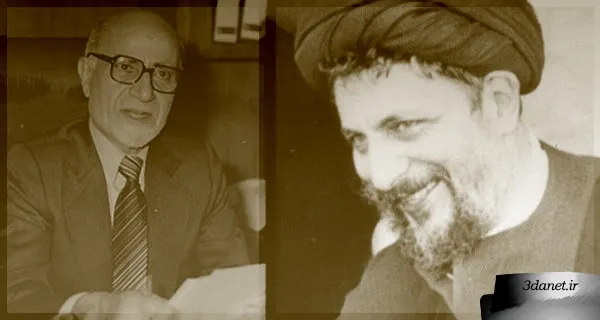
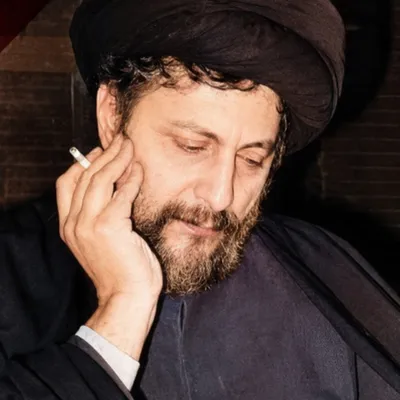
Seyyed Musa Sadr (born 1928) is an Iranian-Lebanese mujtahid, philosopher, and religious theorist. As one of the most prominent revivalists of contemporary Islamic thought, he played an unparalleled role in interfaith dialogue, the social organization of Lebanon's deprived communities, and the presentation of a humane and tolerant reading of Islam.
Seyyed Musa Sadr was born in 1928 in Qom. After completing his seminary studies in Qom and Najaf and attaining the degree of ijtihad, he simultaneously studied law at the University of Tehran. Sadr was a distinguished student of Allameh Tabatabai, Ayatollah Borujerdi, and Ayatollah Khoei, and drawing on his profound philosophical and jurisprudential knowledge, he adopted a novel approach to the social and religious issues of his time.
In 1959, at the recommendation of Ayatollah Borujerdi and in accordance with the will of Seyyed Abd al-Husayn Sharaf al-Din, he emigrated to Lebanon. Sadr's most significant achievements in Lebanon were organizing the Shia and the deprived, establishing the 'Supreme Islamic Shia Council,' and founding the 'Movement of the Deprived.' Musa Sadr's central thought was founded upon human dignity, social justice, interfaith dialogue, and peaceful coexistence among the followers of different religions (especially Muslims and Christians).
His works and discourses, including his collected lectures in books such as 'Religions in the Service of Humanity' and 'Night Prayers,' demonstrate his philosophical and ethical view of religion as a tool for liberating humanity from deprivation and servitude. Imam Musa Sadr disappeared in September 1978 during an official trip to Libya, and his fate remains shrouded in ambiguity.