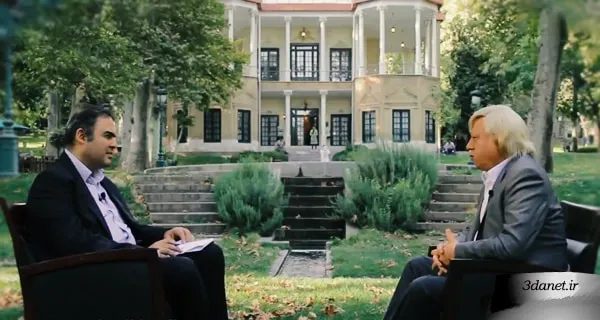
Iranian thinker
Mohammad Beheshti Shirazi
Mohammad Beheshti ShiraziArchitecture and PhilosophyIranianb. 1951


Life and Thought
Mohammad Beheshti Shirazi, born 1951, is an Iranian cultural manager, cultural heritage researcher, and architect. He has served as the managing director of the Farabi Cinema Foundation and as the head of the Cultural Heritage Organization, and his intellectual focus is on Iranian architecture and the Iranian city.
Mohammad Beheshti Shirazi, born February 27, 1952, in Tehran, is a cultural manager, cultural heritage researcher, architect, and permanent member of the Iranian Academy of the Arts. He studied architecture at the National University of Iran (now Shahid Beheshti University) in the 1970s and entered the field of cultural management after the revolution.
In the early years after the revolution, Beheshti worked at the Islamic Republic of Iran Broadcasting (IRIB) and later founded and managed the Farabi Cinema Foundation at the Ministry of Culture and Islamic Guidance. Managing the Fajr Film Festival and playing a role in shaping post-revolution cinematic institutions are among the most significant parts of his record in the cinema sector. From 1997, he joined the Cultural Heritage Organization and, as its head, played a role in shifting perspectives on cultural heritage, initiating the process of inscribing Iranian works on the World Heritage List, and establishing the Cultural Heritage Research Institute.
In subsequent years, he has been active at the Iranian Academy of the Arts, the Encyclopaedia of the History of Architecture and Urbanism of the Land of Iran, the Cinema Museum, the Music Museum, architecture and urban planning councils, and institutions related to cultural heritage and art, and has also taught on Iranian cultural history, architecture, and cultural heritage at universities.
Beheshti's intellectual focus is on cultural heritage, Iranian architecture, the Iranian city, the Persian garden, the relationship between water and civilization in Iran, cultural history, museums, cinema, traditional art, and the revitalization of historical fabrics. In his writings and lectures, Iran is understood more as a "cultural land"—a land whose architecture, city, water, rituals, and traditional arts are intertwined with the people's way of life and historical memory.
Bibliography
Writings and transcribed lectures9 titles
Where Is Iran, Who Is Iranian (Book One: From a Cultural Perspective)
The Iranian Mosque: A Place for the Believers' Ascension
Encyclopedic Dictionary of Iranian Architecture in Persian Sources: Terms and Concepts
The Story of Tehran
Sheikh Bahai and the Pearl Cannon
Revival of Tehran
Trampled Underfoot by the Daily Grind
The Back Alleys of Everyday Life
Wandering in the Realm of Everydayness