Iranian thinker
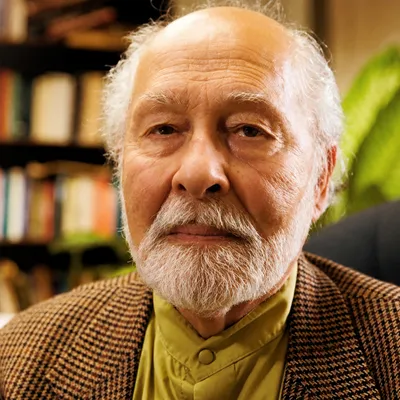
Seyyed Hossein Nasr
Seyyed Hossein NasrPhilosophy, Mysticism, and Comparative ReligionIranianb. 1933





Life and Thought
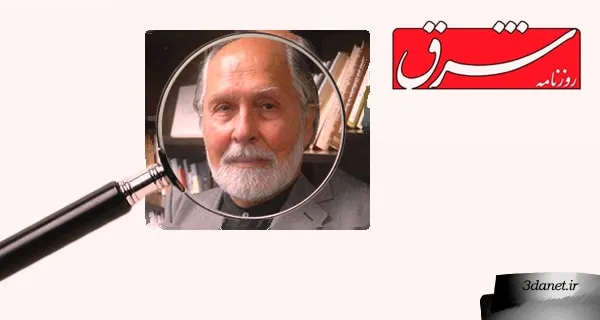
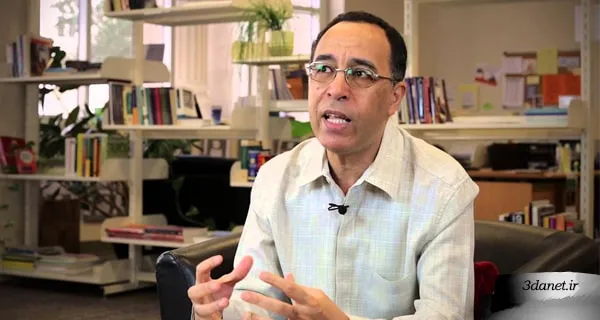
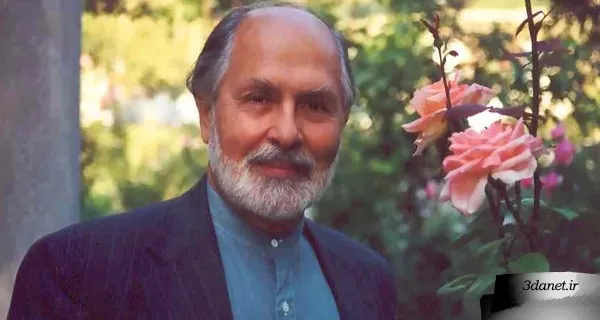
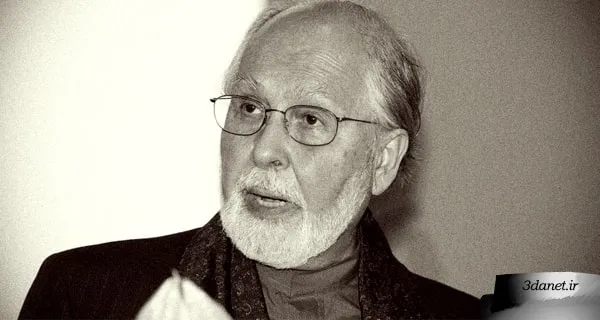
Seyyed Hossein Nasr, born 1933 in Tehran, is an Iranian philosopher, religious scholar, and Islamicist, and a representative of the Traditionalist school. He is a professor at George Washington University and has authored numerous works on Islamic philosophy, mysticism, and the critique of modernity.
Seyyed Hossein Nasr, born April 7, 1933, in Tehran, is a philosopher, religious scholar, Islamicist, and Traditionalist theologian. He went to the United States as a teenager to continue his education, earning a bachelor's degree in physics from the Massachusetts Institute of Technology and completing his graduate studies in philosophy and the history of science at Harvard University. His doctoral dissertation was on the concept of nature in Islamic thought.
After returning to Iran, Nasr became a professor of philosophy and the history of science at the University of Tehran and later served as Dean of the Faculty of Letters at the University of Tehran, President of Aryamehr University of Technology, and founder of the Imperial Iranian Academy of Philosophy, now the Iranian Institute of Philosophy. Following the 1979 revolution, he settled in the United States and has been teaching Islamic studies and philosophy at George Washington University since 1984.
Nasr is one of the most important representatives of the Traditionalist school in the contemporary world, influenced by the ideas of René Guénon, Frithjof Schuon, Ananda Coomaraswamy, and Titus Burckhardt. His main areas of work include Islamic philosophy, perennial wisdom, sacred science, comparative religion, Islamic mysticism, Islamic art, the history of science in Islamic civilization, the critique of modernity, and the relationship between religion and nature.
He was among the first thinkers to analyze the environmental crisis within a spiritual and philosophical framework, viewing it as a result of the desacralization of nature in the modern world.
Among his honors are receiving an honorary doctorate from Uppsala University; being the first Muslim and the first non-Westerner to deliver the Gifford Lectures; winning the Templeton Prize for Religion and Science; having a volume of the Library of Living Philosophers series dedicated to him; winning the Islamic Research Award for the book The Heart of Islam; and receiving the Wisdom Award at the International Avicenna Wisdom Festival.
Bibliography
Writings and transcribed lectures24 titles
Knowledge and the Sacred
Islam and the Predicaments of Modern Man
The Young Muslim and the Modern World
Ideals and Realities of Islam
The Heart of Islam
The Need for a Sacred Science
Religion and the Order of Nature
In Search of the Sacred
Three Muslim Sages: Avicenna, Suhrawardī, and Ibn ʿArabī
Islamic Thinkers' Views on Nature
An Introduction to the Principles of Islamic Cosmology
Science and Civilization in Islam
The Islamic Rationalist Tradition in Iran
Biruni Bibliography
Teachings of the Sufis from Yesterday to Today
Islamic Art and Spirituality
Islamic Art and Spirituality
Sacred Art in Iranian Culture
Jalal al-Din Rumi; The Exalted Iranian Poet and Sage
Muhammad, Man of God
Mecca the Honored and Medina the Radiant
Echo in the Void
In Western Exile
In Search of the Sacred: A Conversation between Ramin Jahanbegloo and Seyyed Hossein Nasr
Sedanet articles about Seyyed Hossein Nasr