Philosophy
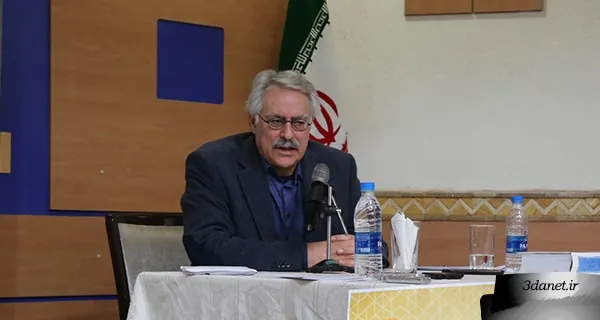
Seyyed Hossein Nasr: The Joke Called Religious Intellectualism
Seyyed Hossein Nasr considers religious intellectualism a new phenomenon in Iranian religious thought, rooted in eighteenth-century rationalism and opposed to the traditional principles of Islam. This current, which was accompanied by a disregard for Islamic teachings, has declined to some extent.
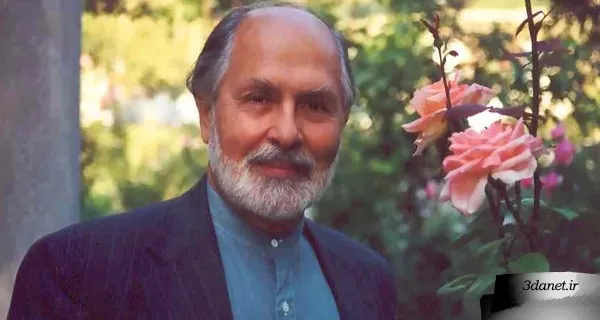
Seyyed Hossein Nasr: The word ‘intellectualism’ is a translation of a foreign term and goes back to a movement that began in eighteenth-century France. They called themselves Intellectuel and spoke of the age of enlightenment, age of enlightenment age des lumieres, which meant pure modernism. Most of those who joined this school were rationalists and reason-oriented thinkers. Note, of course, that this rationalism was not in the ancient sense of the word that we respect; rather, it considered the realm of human reasoning (based on mere argumentation, not intellect in our own philosophical sense) as the ultimate criterion of truth. When they discussed religion, they approached it from the perspective of the human faculty of reasoning and, in fact, critiqued religion.
Some of these rationalists were atheists and did not believe in God; but among them there were also those who had a weak belief in God. The movement these rationalists launched in the eighteenth century played a very large part in weakening the Christian religion. On the other side, among the Christian theological schools, Christian theology, and Christian divinity in the late eighteenth and early nineteenth centuries, a great effort arose among Christians to respond to the rationalistic challenge of these individuals. Given this preamble, it is clear that we traditionalists are opposed to intellectualism in general, and to religious intellectualism in particular, on principled and philosophical grounds.
***
Generally speaking, this modernist way of thinking entered the Islamic world in the nineteenth century. It first entered the Ottoman lands, then Egypt, and after that the Muslim world of India. It was from the Qajar period that this current entered Iran and became known as ‘monavvar-ol-fekri,’ which was the Arabic translation of the French word illuminism and the English word inlightened. During the Pahlavi era, when they wanted to provide a Persian translation of monavvar-ol-fekri, the word ‘roshanfekri’ replaced monavvar-ol-fekri in Iranian magazines and newspapers in the early fourteenth century AH (solar); but the foundation of this intellectualism, historically and epistemologically, is based on a kind of opposition to the authenticity of religion and also a denial of intellect in the sense we have had and still have in our own history of philosophy and mysticism; that is, equating discursive reason or partial intellect with the Universal Intellect.
For this reason, at the beginning of this thought’s entry into Iran, most of those who followed it were anti-religion or, as they say today, secular. Of course, I am not saying they did not believe in God, but they had no serious regard for religion and religious knowledge, and their religion was, as the saying goes, ‘watery’! In general, they paid no attention to Islamic teachings. They might believe in God and the Holy Prophet (peace and blessings be upon him and his family); but they did not believe in Islamic teachings and categories, so much so that from the late Qajar period and the beginning of the Pahlavi era, in the new spheres of education, from Dar ul-Funun to the University of Tehran and other universities that were born from the University of Tehran, the disregard for Islamic philosophy and teachings (except in the Faculty of Theology of the University of Tehran and to a small extent in the Faculty of Literature of the University of Tehran) was very clear and evident.
***
این نهضت آنچنان قوی بود که اکنون هم که بیش از ۳۰ سال از انقلاب اسلامی گذشته است، هنوز در بیشتر دپارتمانهای فلسفهٔ دانشگاههای ایران، فلسفه کاملاً به این معنی غربی است و بیشتر فلسفهٔ غربی را از دیدگاه فلسفهٔ اسلامی بررسی میکنیم. اکنون غالباً فلسفهٔ غربی را از دیدگاه خود فلاسفهٔ غربی بررسی میکنند و در کار پژوهشی و تحقیقی اصالت و مبنا را برای فلسفهٔ غربی قائل میشوند و حتی بعضیها فلسفه و معارف اسلامی را نیز از دیدگاه غربی بررسی و تدوین میکنند. این مساله به همان نهضت منورالفکری بازمیگردد که از دوران مشروطهطلبی و کمی قبل از آن آغاز شده بود و سپس در دوران پهلوی گسترش پیدا کرد و شاخ و برگهای دیگری به آن افزوده شد، از جمله باید به ظهور مارکسیسم و طرفداران حزب توده در ایران اشاره کرد. آنان به قول خودشان زادهٔ نوع دیگری از همان نحوهٔ تفکر فلسفی اروپایی بودند. در این شکی نیست که کارل مارکس هم مانند سایر فلاسفهٔ جدید اروپا، زادهٔ سیر اندیشهٔ فلسفی در آلمان و اروپای غربی بود.
به این ترتیب از اواخر دورهٔ قاجاریه یک صفآرایی بین کسانی که خودشان را روشنفکر میدانستند و بر زبانهای خارجی تسلط داشتند و تا حدودی افکار غربی را میدانستند و کسانی که بانیان تفکر سنتی اسلامی بودند، شکل گرفت. روشنفکران اصطلاحات عجیبی را مانند متحجر و عقبمانده دربارهٔ دستهٔ دیگر به کار میبردند و خودشان را پیرو ترقی و پیشرفت میدانستند. ترقی یکی از خدایان بزرگ قرن نوزدهم بود که معبود بسیاری از غربیها و غربزدههای شرقی بود که البته در قرن بیستم مرد. امروزه دیگر بین متفکران جدی غرب هیچ صحبت اساسی دربارهٔ ترقی به معنی قرن نوزدهمی آن به میان نمیآید، ولی این واژه در اوایل سدهٔ چهاردهم شمسی بین غربزدهها در ایران، مصر و ترکیه و سایر بلاد اسلامی خیلی متداول بود و هنوز نیز تا حدی هست.
در تمام طول تاریخ تفکر و تمدن اسلامی در ایران زمین کسی نمیتوانست به میدان نظر بیاید و بتواند در مقابل سنت دینی موجود عرضاندام فکری کند و در مقابل او کسی نباشد که بتواند از او انتقاد کند و پوچی تجددگرایی دینی را عیان سازد. در ایران همواره فضای انتقاد علمی و ردیهنویسی وجود داشته است؛ زیرا همیشه در ایران تعقل فلسفی و اصول فکری تا حدودی حاکمیت داشته است، ولی در دنیای عرب و تا حد کمتری بین مسلمانان شبه قارهٔ هند و همچنین عثمانی، فقه بیشتر از فلسفه مطرح بوده است و جنبهٔ فکری که به فلسفه ارتباط پیدا میکرد، کمتر مجال بروز داشت و به همین خاطر جریانهای فکری تجددگرایانه آسانتر در این بلاد نفوذ و نضج یافت.
***
اگر شما راجع به روشنفکری دینی و یا تلفیق دین و تجدد جلوی افرادی مثل محمدکاظم عصار، استاد بزرگ خود من که حتی سالها در فرانسه درس خوانده بود حرف میزدید، ایشان با چند شوخی مطلب را به کلی رد میکرد و اصلاً اینگونه افکار را جدی نمیگرفت. من این توفیق را داشتهام که بارها بحثهایی را مربوط به تجددگرایی در عرصهٔ تفکر دینی در حضور افرادی مثل محمدکاظم عصار یا علامه طباطبایی مطرح کنم و آنها از این قدرت فکری برخوردار بودند که به صورتی دندانشکن پاسخ ادعاهای متجددانه در دین را بدهند؛ اما در مصر افراد اینچنینی کمتر بودند و به همین جهت اصلاحطلبی دینی به وسیلهٔ کسانی مثل محمد عبده، فضای جولان پیدا کرد.
This new formula that emerged a few years ago in Iran under the name of religious intellectualism was not a new phenomenon in the history of Islam, but rather a new phenomenon in the history of religious thought in Iran. For a time, certain individuals pursued it, although this current has now largely declined. Of course, one must always speak with fairness, because the title of religious intellectual has been given to many; but not all those who spoke, or still speak, of religious intellectualism can be placed on the same scale. Some of them are, or were, learned and had considerable familiarity with Islamic teachings, though they had modernist tendencies, while some of the so-called religious intellectuals lacked sufficient knowledge altogether, and as I have always said, one cannot judge everyone uniformly. I hold respect for some of them as researchers, not as authentic religious thinkers; because I have occasionally seen noteworthy scholarly works from them, but as someone who opposes modernity, considers the philosophical institution of modernity to be invalid, and is a proponent of tradition, the views of those gentlemen who call themselves religious intellectuals have not been, and are not, acceptable to me.
Even at the time when these individuals, as the common folk say, had a booming market, I used to say let them speak their words, and if they have any merit, they must present it, and if there is a response to be made, it should be given to them. This method of open exchange of religious and philosophical views is the most suitable method for a healthy intellectual atmosphere in society and causes greater intellectual exuberance to be created in Iran, for I believe that the response to thought must come through thought, and not through taunts, excommunication, or, worst of all, censorship.
In Baghdad of the second and third centuries AH, the atmosphere was like this; in the early Abbasid period, various schools emerged, some of which were similar to this very religious intellectualism of the contemporary era, because they blended Greek rationalist ideas with religious issues. One group was the Mu'tazila, and other groups stood against them intellectually. It was from within these intellectual debates that the important and authentic schools of Islamic thought came into being. It is for this reason that I have always agreed with the view that religious intellectuals must be able to speak their words, although I have not agreed, and do not agree, with most of their words in any way, but they must have this freedom to speak their words and cause other individuals to be compelled to think and to respond to them. I have agreed, and do agree, with this matter; because it yields blessed fruits. It should not be forgotten that many of these types of individuals pursue their thought with sincerity, have genuine belief in Islam, and also have good intentions.
.
.
Seyyed Hossein Nasr: The Joke Called Religious Intellectualism
Source: Mehrnameh Monthly
.
.

Discussion5 comments
این جناب از بس متفرعنانه رفتار می کنند وخود راصاحب علوم معلوم ومنقول که جا رابرای هیچ بحث وگفتگویی نمی گذارند.شخصی که به قول دوستدار استعداد فراوانی در ترقیات اجتماعی داشت .عنوان متملقانه انجمن شاهنشاهی فلسفه به ریاست ایشان خود گواهی خیلی چیزهاست. ایشان بااینکه سال ها در مرکز جهان مدرن لمیده هنوزخود را ضدمدرنیته می داند و تغییری در روش فکر وگفتارش به وجود نیامده.روشن فکر دینی اگر هم به ظاهر تناقضی در دل خود داشته باشد اما سال هاست واقعیت دارد ونقش خود را در این نقطه واین زمان کنونی ایفا کرده است.وخدمتی هم اگه به علوم انسانی در اینجا کرده از خدمت امثال ایشان بیشتر بوده است
نقد سیدحسین نصر را هم اگر بگذارید ممنون میشوم.
یک اندیشمند سنتی که می خواهد روشنفکران دینی را مورد نقد علمی قرار دهد در درجه اول باید شناخت لازم را در مورد مبانی متدولوژیک آن جریان فکری را بشناسد . نقد تجدد بدون نقد منطق جدید و هرمنوتیک امکان پذیر نیست . نمی توان ابتدا به ساکن به سراغ معرفت شناسی آنها رفت و با یک دید سنتی آن را نقد کرد . بلکه یک منتقد یا اندیشمند سنتی در درجه اول باید مباحث پایه روش شناسی جدید مثل هرمنوتیک و منطق جدید (مثل منطق دیالکتیکی یا منطق انالیتیک) را بشناسد و آن را نقد کند . به عنوان مثال بی توجهی به کتاب قبض و بسط تئوریک شریعت یک اشتباه بزرگ هست . نواندیشان دینی نوعا منطق ارسطویی را که شیوه بزرگانی چون ابن سینا و ملاصدرا بوده را قبول ندارند . ابتدا باید تکلیلف منطق و تفسیر را روشن کرد و پس از آن به سراغ مباحث معرفت شناسانه رفت . متاسفانه در کلام جناب سید حسین نصر هیچ بارقه ای از نقد علمی و فنی دیده نمی شود و صرفا به ریشه یابی لغات و تحلیل ضعیف تاریخچه وار بسنده کرده اند .
فرمان عقل بردن عشقم نمی پسندد سودای عشق پختن، عقلم نمی گذارد مغازله ازلی عقل و عشق، تا بی نهایت دیالکتیک ابدی ادامه خواهد داشت. گویی طفل عقلانیت با تغذیه از غریزه روانی، رشدش را کاملتر میکند و بمیزانی که از تکه های غریزه برمی کند خودش هم بزرگتر و عاقلتر میشود. شبیه جنگی ست که سنگر به سنگر فتح میکند. مثلا توحش ماقبل یونانی را تبدیل به اولین دموکراسی کرده و سپس دوباره هزاره غریزه رومی پس میگیرد اما قرون وسطا رنگ مسیحیت بدان می پاشد تا اینکه هنر رنسانس انتقام لطیفی میگیرد و دوران اصلاحات دینی رسما دو شاخه شده و با شروع عصر خرد ضربه نهایی وارد نموده و انقلاب صنعتی ، جهان را برای همیشه عملا تسخیر کرده و با روشنگری قرن هجدهمی اولین گامهای معنوی وجودی به دروازه های ماورایی برداشته میشود گرچه با دو جنگ جهانی، دچار حمله قلبی شد اما همچنان سرپا ایستاده و سکته مغزی نزد. اینک عالمان علوم و متالهین سنتی با دیالکتیک چندین دهه ای بهم نزدیکتر شده اند و موفق شده اند که حواشی بنیادگرایانه را از بدنه اصلی تراشیده و تفکیک کنند. کسی چه میداند شاید اصلا نفس همین دیالکتیک پیشرونده، هدف غایی خلقت بیکرانه ست. هر کسی بقدر حساسیت روحیش یا هوش ذهنی اش اوج میگیرد. لطف عقل خوش نهاد خوش نسب چون همه تن را در آرد در ادب عشق شنگ بیقرار بیسکون چون در آرد کل تن را در جنون
1 ـ جناب نصر از یک سو گفته اند : « کلمهٔ روشنفکری ترجمهٔ یک واژهٔ فرنگی است و به نهضتی برمیگردد که در قرن هجدهم در فرانسه آغاز شد ...این طرز فکر تجددگرایانه در قرن نوزدهم میلادی وارد دنیای اسلامی شد » و از سوی دیگر گفتهه اند : « این صیغهٔ جدیدی که از چند سال پیش به نام روشنفکری دینی در ایران پدیدار شد، پدیدهٔ جدیدی در تاریخ اسلام نبود ... در اوایل دورهٔ عباسی مکاتب مختلفی ظهور کردند که برخی از آنها شبیه همین روشنفکری دینی در دورهٔ معاصر بودند؛ زیرا افکار استدلالگرایانهٔ یونانی را با مسائل دینی درمیآمیختند . » به گمانم دشمنی جناب نصر با روشن اندیشی و مستدل سخن گفتن این است که نمی تواند روشن و مستدل مدعایش را بیان کند . 2 ـ بهتر است جناب نصر یک بار ابتدای سوره بقره را بخواند ، آن جا که فرشتگان در آزمون الهی از آدم باختند چون فقط همان را می دانستند که به آنان تعلیم شده بود و نمی توانستند از دانسته های خود به شناخت دیگری برسند . مزیت انسان بر فرشتگان توان استدلال او است .