Philosophy
Lecture Series: “Alternative Approaches in Critical Theory: Machiavelli” by Reza Samim
According to Reza Samim, Machiavelli is not an heir to conservative thought but the founder of 'modern critical studies'—an approach that, unlike postmodern critique, provides a framework for action and liberation from subjugation, making the revival of subjectivity possible through the radical critique of everything.
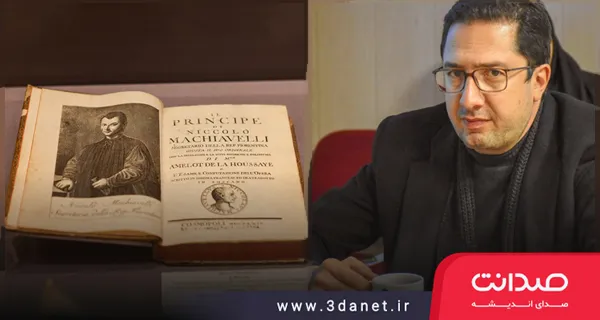
Reza Samim: Many imagine that Machiavelli, especially in his famous works, The Prince and the Discourses, is the heir to a kind of conservative thought and a guardian of the existing order, similar to what we usually encounter in the ideas manifested in mirrors for princes and books of statecraft. In this course, through repeated reference to his two famous works, I will demonstrate—as proponents of “modern critical studies” in our time have shown—that he is not only not the heir to conservative ideas but is the founder of something that can be called “modern critical studies.” For me, “modern critical studies” is a field of study with only one goal: exposing the mechanisms through which privileges are unequally produced and distributed. Mechanisms by which “everyone” can find a “position” in which they can appropriate a portion of these privileges. In “modern critical studies,” no one, neither the beneficiaries of power nor those deprived of it, remains immune from critique.
“Modern critical studies” creates no safe margin for any stratum or class. Nor does it portray any stratum or class as innocent or victimized. All are equally responsible for creating the mechanisms that proponents of “postmodern critical studies” later referred to as mechanisms of the production and reproduction of domination. In this course, my endeavor is to show the main axes of the “modern critical studies” project through a reading of Machiavelli’s two famous works, The Prince and the Discourses. Today, we must speak of “modern critical studies” as an alternative approach, because the space of critique is occupied by “postmodern critical studies.” The reading of The Prince and the Discourses is undertaken with the aim of extracting principles to make this alternative approach possible in the present time, especially in the social and cultural context of Iran.
In my view, with Machiavelli, one can expose the weaknesses of “postmodern critical studies” and show that employing the postmodern approach does nothing to help transcend the situation of subjugation or achieve liberation from it. “Modern critical studies,” in contrast to “postmodern critical studies,” aims to interpret the situation of subjugation with the intention of overcoming it. For this reason, rather than being based on a theory explaining the existing state of affairs, it is a framework for action. “Modern critical studies” believes in change and the possibility of reviving human subjectivity as the sole agent of this change. The only way to make such a revival possible is the radical critique of “everyone,” in the same manner that Machiavelli carried out in The Prince and the Discourses.
.
.
Lecture Series: “Alternative Approaches in Critical Theory: Machiavelli”
.
.
Part One: On the Distinctions Between Modern Critique and Postmodern Critique
Download audio from Server One | Server Two
.
.
Part Two: On the Relationship Between Critique and Freedom
Download audio from Server One | Server Two
.
.
Part Three: Althusser’s Reading of Machiavelli; A Look at “Machiavelli and Us” and “The Underground Currents of the Materialism of the Encounter”
Download audio from Server One | Server Two
.
.
Part Four: A Discussion on the View of the Human in Modern and Postmodern Critical Studies; A Critique of the Philosophy of Consciousness
Download audio from Server One | Server Two
.
.
Part Five: A Discussion on the Dedication of The Prince: What Was Machiavelli's Intention in Writing The Prince?
Download audio from Server One | Server Two
.
.
Part Six: The Prince, Chapters One through Three (On Mixed Principalities)
Download audio from Server One | Server Two
.
.
Part Seven: The Prince, Continuation of Chapter Three and Chapter Four; A Discussion on Conjectural Analysis as a Modern Method in the Critical Study of History
Download audio from Server One | Server Two
.
.
Part Eight: The Prince, Chapters Five and Six (On Principalities Acquired by One's Own Arms and Virtue)
Download audio from Server One | Server Two
.
.
Part Nine: The Prince, Chapters Seven and Eight (Up to Those Who Come to Power Through Crime)
Download audio from Server One | Server Two
.
.
Part Ten: The Prince, from Chapter Nine (On the Civil Principality) to the End of Chapter Twenty-Four
Download audio from Server One | Server Two
.
.
Session Eleven (Final): The Prince, Chapters 26 and 27 (Machiavelli's Manifesto for the Liberation of Italy)
Download audio from Server One | Server Two
.
.
Cultural Studies Student Association, University of Science and Culture
Reza Samim | Summer 2019
.
.


Discussion2 comments
فکر میکنم کلمه مهم این درسگفتار بدیل باشد، نه ماکیاولی. برای شناخت ماکیاولی، ماکیاولیشناسان حرفهای حاضرند و احتمالا مفیدتر. این درسگفتار اهمیتی دیگر دارد. هدف رسیدن به دیدگاهی نو و ردگیری این دیدگاه در کلاسیکهاست. جای دیگر راحتتر میتوان ماکیاولی را شناخت اما در این درسگفتار قرار است ماکیاولی زنده شود. مای ایرانی در بنبست گیر کرده قرار است با ماکیاولی مواجه شویم. مایی که بیش از هر زمان دیگری زنجیرهای تن و روحمان را میشناسیم اما به زنجیرها خو گرفتهایم و هیچ آزادیای متصور نیستیم قرار است از ماکیاولی درس آزادی بگیریم. بهنظر میرسد اینکار کاری جدید است. بهتر است بگوییم جدید نیست اما مدت زمان زیادی است که به فراموشی سپرده شده است. پیش رفتن به این سمت و تلاش برای رسیدن به دیدگاهی بدیل است که این درسگفتار را مهم میسازد. گام برداشتن در راهی که هنوز کامل ساخته نشده است در کنار جذابیتهایش سختیها و بیراهههایی هم ممکن است داشته باشد، اما مشارکت در ساخت این مسیر تجربهایست مهمتر از سالم به مقصد رسیدن. هرچند سالم به مقصد رسیدن هیچ ایرادی ندارد و ماکیاولیشناسان حرفهای بودند و هستند و آماده که ما را راهنمایی کنند.
باتشکر از جناب دکترصمیم درسگفتارها عالی بود. این جمله منسوب به ماکیاولی است که هدف, وسیله را توجیه می کند . همواره در ذهن انسان این را تداعی می کند که این جمله غیراخلاقی است چراکه برای رسیدن به هدف , هروسیله ایی توجیه کننده نیست. اما اگر با این خوانشِ جناب صمیم که از (ماکیاولی) انجام دادند,, به نظرم می توانیم بگوییم که هدف وسیله را توجیه می کند.. در روش سیاست ماکیاولی,(قانون) از درونِ(آزادی) بیرون می آید,, به نوعی( وسیله) از درونِ (هدف) بیرون می آید و (هدف ) از درون (وسیله). یک نوع رابطه دیالکتیکی..