Religion
A Critique of Wansbrough's Views on the Date of the Final Fixation of the Qur'anic Text, Dr. Mohammad Kazem Shaker
Rejecting the authority of Islamic traditions, John Wansbrough dated the final canonization of the Quran to the end of the second Hijri century, viewing it as the product of a Jewish-Christian sectarian milieu. Dr. Shaker critiques Wansbrough's hypotheses on the history of the Quranic text's stabilization.
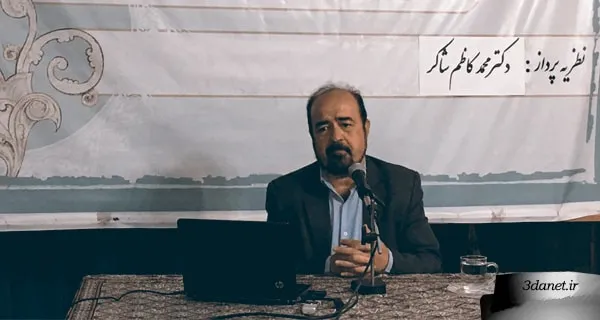
When a Western researcher wants to understand Islam, he naturally looks for an authoritative source or sources through which he can arrive at the reality of Islam (historical Islam).
Traditionalist Western scholars, such as Theodor Nöldeke, Friedrich Schwally, Richard Bell, and William Montgomery Watt, recognized the Qur'an and the Sunnah as sources that could acquaint them with the reality of historical Islam.
Goldziher questioned the authority of the Sunnah and considered the Qur'an alone to be an authoritative source for understanding Islam, the Prophet, the early Muslims, and their opponents.
Joseph Schacht, with his book The Origins of Muhammadan Jurisprudence, reinforced Goldziher's ideas, and thereafter, the lack of authority of the Islamic Sunnah for understanding historical Islam became common currency in Western studies, to the extent that no one was willing to take the trouble to prove it!
This professor at Allameh Tabataba'i University added: Before John Wansbrough, no one had questioned the authority of the Qur'an as a historical source for understanding Islam. Wansbrough asserted that the only valid evidence that the Qur'an in the possession of Muslims pertains to the Prophet of Islam, who lived in Mecca and Medina between 612 CE and 635 CE, is the traditions, and these traditions, as Goldziher and Schacht had proven, possess no authority whatsoever.
By declaring the ancient Islamic texts and sources unreliable, Wansbrough proposed the theory that the method of literary analysis must be used in dating all ancient Islamic texts, including the Qur'an.
He put forward the hypothesis that Islam is, in fact, a Judeo-Christian sect that, in this way and in the guise of a newly emerged religion, sought to spread and establish itself throughout the Arab world. The Qur'an is a combination of Christian and Jewish texts adapted to Arab culture and was completed and disseminated over centuries by various Arab tribes.
Dr. Mohammad Kazem Shaker claims that the current version of the Qur'an could not have been compiled and canonized earlier than the end of the second century or the beginning of the third century AH.
Of course, Wansbrough himself emphasizes that the ideas he put forward in these two books were experimental and provisional work on the issues under discussion.
The theorist of the session added: Wansbrough's claims entail four historical assumptions: 1) We have no evidence to accept the historicity of any written Islamic source—including the Qur'an—prior to the beginning of the third century AH; 2) Consequently, none of these sources can be used as a basis for understanding the origins and history of early Islam; 3) Instead, these sources represent the adaptation and reflection of Hijazi principles onto a tradition that was, in reality, synthesized outside the Arabian Peninsula, primarily in Iraq; 4) The key to this deduction is understanding the significance of the influence of Rabbinic Judaism on the gradual, long-term development of the Islamic tradition and its trusted literary sources.
a) A written source cannot tell us "what really happened," but only recounts what the author imagines happened, or wanted to believe happened, or wanted others to imagine happened; therefore, before considering the historicity of a written account, we must consider the problems related to the scope of the author's knowledge and his motivation.
b) Only the eyewitness to an event knows what happened. Even this awareness may be subject to conscious and unconscious interpretations as he tries to reconcile it with his prior information. Even the mere act of writing "what really happened"—that is, reducing it to a set of words and then imposing a specific (linear and sequential) order upon it, which the described event itself may have lacked—leads to a distortion of reality.
c) The history of the transmission of ancient documents is highly suspect and a matter for reflection. The issue here is not merely the usual share of copyists' errors, but rather the problem of distancing from the original text in a more subtle way; it is quite possible that an author, working explicitly within the framework of an accepted historical account, alters older texts to align with that account;
د) نتيجه اى كه از نكات فوق گرفته مى شود، اين است كه منابع مكتوب با اين وعده كه «آنچه را واقعاً روى داده»، ارائه مى دهند، ما را مى فريبند. آنها با توجه به طبيعت كارشان، نمى توانند «حقايق انكارناپذير» را ارائه دهند، بلكه تنها بيانگر ديدگاه نويسنده هستند از آنچه او در باره اين حقايق مى داند؛ يعنى نگاشته هايى ادبى هستند. بررسى آنها تحليل تاريخ نيست، بلكه نقد ادبى است.
ه) یک راه برون رفت برای منابع مکتوب مسلمانان جهت اثبات "واقع نمایی"شان این است که از سوی گزارش های خارجی مستقل (به طور مثال، گزارش یهودیان و مسیحیانِ هم عصر با زمان وقوع آن حوادث) مورد تأیید قرار گیرند. زیرا تاریخ نگارش مکتوبات مسلمانان با تاریخ وقوع وقایعی که مدعیِ توصیف آن هستند، 150 سال فاصله دارد.
و) راه دیگر برای اثبات واقع نماییِ "گزارش های مکتوبِ مسلمانان" آن است که با «حقايق عينىِ محسوس» ، مانند شواهد باستان شناختی، مقایسه و تأیید شوند.
ز) از آنجا كه براى اثبات ديدگاهى كه صرفاً مبتنى بر مكتوبات مسلمانان است، به شواهد خارجى یا حقایق عینی نياز است، فقدان چنين مؤيداتى، دليلى مهم عليه تاريخى بودن اين گزارشهاست؛ بنابراين رويكرد تجديدنظرطلب نسبت به رويكرد سنتى در پذيرش «استدلالِ به سكوت» آماده تر است، يعنى "چون شواهد خارجى از تأييد ديدگاه مسلمانان از تاريخ ساكت هستند، پس آن وقایعِ ادعا شده اصلاً روی نداده است".
بنابراين، رويكرد تجديدنظرطلب، با قرائت ونزبرو و پیروانش، اساساً بر سه ضرورت روش شناختى مبتنى است:
1ـ رويكرد نقد منبعى به قرآن و نگاشته هاى مسلمانان در باره ظهور اسلام، فتوحات و دوران امويان؛
2ـ ضرورت مقايسه اين گزارش ها با گزارش هاى همعصران آن، خارج از عرف مسلمانان؛
3- استفاده از شواهد مادى همزمان آن، مانند شواهد باستان شناسى، سكه شناسی و كتيبه شناسى.
پژوهشکر علوم قرآنی یاد آور شد : ونزبرو در کتاب مطالعات قرآنی با توجه به شیوه نقد ادبی و نقد منبع، به اين نتيجه رسيده است كه قرآن، در اصل مجموعه های مختلف از سخنان و ديدگاه هایى بوده اند كه طى زمان طولانى و در مکان های جغرافیایی و جوامع مختلف فرقه ای – که همگی از اعتقادات توحیدی بهره می برده اند- به تدریج تکوین یافته اند که این مجموعه در پایان سدة دوم یا اوایل سدة سوم به صورتی که اکنون قرآن نامیده می شود، درآمده و رسمیت یافته است.
دیدگاههای ونزبرو در مورد تاریخ پیدایش و تثبیت نهایی متن قرآن کریم بر چند فرضیه و پیش فرض بنا شده است. در اینجا، ابتدا به بیان هریک از این فرضیات، و آنگاه نقد آنها می پردازیم.
-
فقدان مخطوطات قرآنی مربوط به صدر اسلام
-
عدم اعتبار روایات اسلامی در گزارش از تاریخ قرآن
-
سبک رجوعیِ قرآن
-
اختلاف در سبک متن قرآن و لزوم تعدّد منابع
-
تثبیت نهایی متن قرآن مستلزم بازه زمانی طولانی
فرض ونزبرو بر این است که مخطوطات قرآنیِ موجود، حاصل دو سدة بعد از صدر اسلام هستند. ما هیچ نسخة خطی از قرآن نداریم که از نظر علمی ثابت شده باشد که حاصل نگارش خود پیامبر یا اصحاب ایشان باشد یا حداقل در دوره ای بسیار نزدیک به زمان بنیانگذار دین اسلام نوشته شده باشد. فرض این دیدگاه آن است که نسخه های کامل از متن قرآن همگی مربوط به سدة سوم به بعد هستند. همة استدلال ونزبرو مبنی بر این که لازم است مکتوبات اسلامی، و از جمله خود قرآن، برای تاریخ گذاری مورد نقد ادبی قرار گیرند مبتنی بر این است که از نظر تاریخی، نسخه یا نسخه هایی وجود ندارد که متعلق به صدر اسلام باشد. این در حالی است که اکتشافات اخیر در مورد نسخه های بسیار کهن از قرآن، بر اندیشه های ونزبرو در مورد زمان شکل گیری قرآن – که به زعم وی، پایان سده دوم هجری است- مُهر بطلان می زند.
Dr. Mohammad Kazem Shaker, in his critique of Wansbrough's views, stated: In the last one or two decades, discoveries have been made that have challenged this Western hypothesis. Gregor Schoeler, citing the famous Sana'a Qur'an manuscript in Yemen and the research of the team around Gerd R. Puin, who, using carbon-14 dating, have dated this manuscript to between 37 and 71 AH — that is, shortly after the death of Uthman. Nevertheless, due to the lack of scholarly publication of this manuscript, it is not clear whether the numerous fragments of this Qur'an manuscript, which is the oldest discovered to date, encompass the entire Qur'an or not.
In the final months of 2011, the journal Der Islam in Germany published an important article titled "The Codex of a Companion of the Prophet and the Qurʾān of the Prophet" by Behnam Sadeghi, a professor at Stanford University, and Mohsen Goudarzi, a doctoral student at Harvard University, which marks a turning point in contemporary Qur'anic studies, particularly in research related to the history of the Qur'an. The authors state in the abstract of their article: The lower text of the Sana'a manuscript is currently the most important extant document for the history of the Qur'an. This text, which is the only known manuscript from a textual [and written] tradition of the Qur'an alongside the official Uthmanic codex, possesses, in comparison with all known Qur'an manuscripts, the greatest potential and possibility to shed light on the history of the development of the Qur'anic text in the earliest period. Comparing this text with other parallel textual traditions opens a unique window onto the earliest stages of the Qur'anic text and the emergence of different traditions. This comparison leads to a long-standing discussion about the history of the collection of the verses and passages of the Qur'an and the formation of the surahs. Some ancient accounts and certain modern scholars have attributed this to the era of the third caliph's reign and link the compilation of the surahs to the event of the unification of the codices (the fixation of the Qur'anic text) in the year 650 CE. However, [our] analysis shows that the surahs of the Qur'an were formed earlier than this. Furthermore, the examination of the [Sana'a] manuscript provides much information about the method of the [oral or written] transmission of the Qur'anic text.
Another article has also been published by Behnam Sadeghi in collaboration with Mr. Bergmann concerning ancient Qur'anic codices, the results of which are highly significant in confirming the current text of the Qur'an. Also, considering the numerous ancient manuscripts of the Holy Qur'an that exist in museums and libraries in various countries, the date of some of them certainly goes back to the second century and some to the first century AH.
Last year, folios from a very ancient manuscript were found within the Mingana Collection at the University of Birmingham library. These folios, which are without any dots or diacritical marks, are estimated to date from the early first century AH. Radiocarbon tests on these Qur'anic leaves have shown that they date from the period between 568 and 645 CE. This test, conducted at the Oxford University laboratory, has a 95.4% accuracy rate. These two leaves of the Birmingham Qur'an contain parts of three surahs: Al-Kahf (verses 17-23), Maryam (91-98), and Taha (1-40). Below you can see an image of one side of a leaf from this Qur'anic manuscript, which contains the end of Surah Maryam and the beginning of Surah Taha. This indicates that the order of the surahs of the Qur'an at that time was exactly the same as the current order of the surahs of the Holy Qur'an. The University of Birmingham displayed these Qur'anic leaves for public viewing from the second to the twenty-fifth of October 2015.
According to Wansbrough, the Islamic community, in a gradual process, strove to acquire an independent identity. To distinguish themselves from the Jews, Muslims constructed a completely independent background for themselves. For this reason, they wrote a "salvation history" (and not actual history). In Wansbrough's view, the final fixation and stabilization of the Qur'anic text proceeds step by step with the formation of the community. Before the complete and decisive consolidation and control of political power, neither was a final, fixed text of the scripture required, nor was this fully possible; thus, the end of the second century AH / eighth century CE was historically a suitable time for that oral tradition to be collected, through which the fixed, official sacred text, as well as the objective and current concept of "Islam," took its final form.
Dr. Mohammad Kazem Shaker, in the concluding part of his remarks, pointed out: The most astonishing part of Wansbrough's statements in his so-called literary analysis of the Qur'an is where he declares the end of the second century as the time of the formation and final fixation of the Qur'anic text. Fazlur Rahman, a Muslim scholar, has said: The strategy of those who follow Wansbrough's method is to "deny history" and then pursue what they call "literary criticism." In fact, Wansbrough has set aside the "established history" of Muslims under the pretext that it is "literature," and through "literary analysis," he himself writes a "history" for the Qur'an!
Wansbrough and his like-minded colleagues believe that the Qur'an – in the form we now possess – did not officially exist until the end of the second century AH. Let us suppose we have no clear evidence that the Qur'an existed in the first or second century; is it possible that in the third century, people and scholars would suddenly regard a book that – according to Wansbrough's assumption, had gradually evolved over 200 years – as a book revealed by God to Prophet Muhammad (PBUH), and not have said a word about it?!
Or, among Muslims and non-Muslims, are there individuals belonging to the third century who have recorded in their works that the holy book of Muslims is the result of compiling various texts that existed in a scattered manner among different sects of God-worshipping Arabs until the end of the second century?! Why, when such an important event as the compilation of the Qur'an supposedly occurred in the early third century, despite the fact that the Muslim Arabs, through their conquests, had attracted the attention of many Christians and Jews, has no report been published about the time of the Qur'an's formation and its details?
Wansbrough and his like-minded colleagues say that the mere fact that Muslim texts and writings from the third century onwards state that the Qur'an, the holy book of Muslims, is the book of the Prophet of Islam, which he brought over 23 years from 612 AD onwards, is not sufficient for us to consider these reports as actual history; rather, these writings are salvation history written by Muslims in the third century. This is valid when the report in Muslim writings concerns a matter or matters whose existence or non-existence was hidden from the eyes of society and history (for example, that a certain unknown person was killed by another person at a certain time). However, regarding events such as the emergence of a prophet and the formation of a religion, which they themselves acknowledge that by 711 AD Islam had reached the heart of Europe and established a government, such a claim cannot be made.
Dr. Mohammad Kazem Shaker concluded by answering questions from attendees and online users.
.
.
Download the audio of Dr. Mohammad Kazem Shaker's lecture titled "A Critique of Wansbrough's Views on the Date of the Final Fixation of the Qur'anic Text"
Download from Server 1 | Download from Server 2
.
.
Held at the Fahim Institute:
A Critique of Wansbrough's Views on the Date of the Final Fixation of the Qur'anic Text
The 257th scientific session of the Fahim Institute was held on Saturday evening. In this session, Professor Dr. Mohammad Kazem Shaker delivered a speech on the topic of a critique of Wansbrough's views on the date of the final fixation of the Qur'anic text.
.
.
Source: Fahim Institute Telegram Channel
.
.


Discussion0 comments
No comments yet; let yours be the first voice.