Philosophy
Ali Karimi and the Voice of Truth
False identity and sporting divides, such as the Esteghlal–Persepolis rivalry, are veils over the truth. By breaking through these prejudices, Ali Karimi's interview on the programme 90 called the supporters on both sides of the dispute to a genuine unity around what is right, not mere conformity.
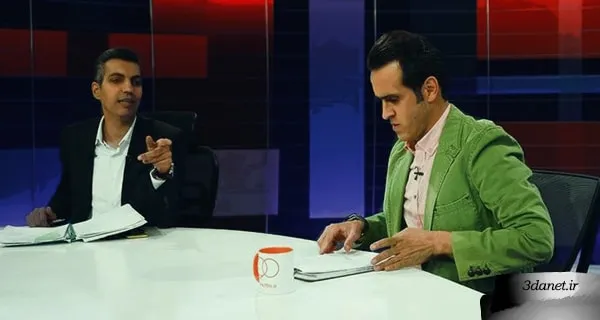
There is no doubt that the enemies of truth are always seeking false demarcations to conceal the truth. All ethnic, religious, racial, linguistic, and even class demarcations, if they are to declare one side as the very embodiment of truth and good, and the other side as absolute falsehood and evil, lead to futile battles that will benefit no one, except, of course, the enemies of truth. Fundamentally, it makes no difference whether this mentality, in the form of a kind of “identity-forming othering,” pits “us” Iranians against “those” Arabs, or, for example, sets “us” Kurds against “those” Persians. The main evidence of these false boundaries is nothing but the fact that the enemies of truth place themselves on “both sides” of the border and alongside each of the “us.” Something akin to when a certain corrupt government official, sensing the danger of exposure, immediately attributes the whole affair to those “foreigners” and asks “compatriots” to have “unity” and not act against the interests of “our own officials,” because the result will be to the detriment of “everyone.”
By the same analogy, however, one of the demarcations whose essentialization over the past half-century has created another false boundary is the Esteghlal-Persepolis duality. Die-hard Esteghlal and Persepolis fans speak as if they themselves, their team, their fans, their coaches, their managers, and their fellow colors are the very embodiment of good and truth, while the opposing side, its team, its fans, its coaches, its managers, and its fellow colors are the very embodiment of evil and falsehood. This image, which represents the height of false dualization, is in truth nothing but arrangements for rendering the real boundaries of good and evil invisible. ... It is obvious that an individual’s being an Esteghlal or Persepolis fan is, in the vast majority of cases, a random event. You might become a fan of another team merely through acquaintance with and influence from a friend in childhood, just as you might have had a different religion, a different language, or even a different race when you opened your eyes to the world.
In this sense, the path of truth, however, is the path of negating these false dualities. The truth-tellers of history have always striven to shatter these false boundaries and have only succeeded when, instead of standing on one false side, they addressed the “whole” or, in other words, “everyone”: with every race, religion, ethnicity, and language. The audience of history’s great truth-tellers is not a stratum of the people but truly all people, because their goal is a “universal” goal whose ultimate end is nothing but: the salvation of all through the exposure of lies. Therefore, it is only this universal invitation to truth that shatters fabricated boundaries and sets everyone, with all their formalistic differences, in motion.
From this perspective, what is important about Ali Karimi’s conversation on the Navad program last Monday night is that both sides of this false dispute, both Persepolis and Esteghlal fans, regardless of the official opposition or agreement of both clubs with his statements, supported him. In this sense, it is not so important what Ali Karimi said or did not say; rather, the important aspect of the matter is that Karimi’s expression became the suppressed voice of a truth that shattered individual and identity-based prejudices and, by transcending the endless, conventional two-sided disputes, drew the parties of such a false quarrel toward a true, negating unity; something akin to a genuine invitation, for everyone, to stand beside the truth, and not beside one’s own color, for if a truth is to manifest, it will only be through these trans-identity glimmers and cries, and even stutters, addressed to everyone.
Ali Karimi’s interlocutor, however, played the role of a true guardian of these false dichotomies and truth-concealing constructs in the best possible way. His words, his superior stance, his kindly calm, his diplomatic smiles, even his apparent self-control, and his talk of “unity of all for the victory of the national team” (not, of course, a unity born of a universal and overarching truth, but “unity” as an “alluring and enticing name” to cover up the truth itself), as well as his self-assured affirmations—whose falsity was exposed even before the program ended—were all the tricks of a professional conjurer to hide the heart of the matter. But Karimi’s victory, more than his words, stemmed from the understanding of an audience that paid attention to his deliberate refusal to take an expedient stand on one side of the issue, and also to his desire for an openly solitary and vulnerability-laden selfhood, and, regardless of the false red and blue identity constructions, rose unanimously in defense of Karimi, who represents the surrender of truth to a kind of expediency, fear, and comfort-seeking: the true unity of the people will only be realized through transgression and transcendence of false boundaries and the exposure of the deception, corruption, and fabricated dichotomies of the situation.
.
.
Ali Karimi and the Voice of Truth
Author: Mohammad Mehdi Ardebili
Source: Etemad Newspaper, 29 Bahman 1396
.
.

Discussion2 comments
به نظرم گفتار کریمی نه یک گفتار وحدت افرین بلکه اتفاقا گفتاری کاملا نفاق افکن و در جهت ضریه زدن به باند موجود در جهت منافع باند غایب بود و دفاع از کریمی بیشتر از روی احساسات و رفتار قبیله ای مردم بود تا منطق و دیدن واقعیت عدم سواد کافی و عدم تسلط به سخن گفتن و نداشتن مدارک کافی در بیان سخنان از مشکلات اصلی کریمی بود و البته حب و بغ شخصی هم در اون موج میزد با احترام نسبت به دیدگاه نویسنده کاملا مخالفم
چیزی که در این چند سال مد شده و بسیار جذابیت پیدا کرده است ، مسئول ستیزی و مسئولیت گریزی است ! در گفتگوی نود بین آقای کریمی و آقای ساکت بیشتر صفحات مجازی ، جراید و به طور کل تریبون ها از آقای کریمی حمایت کردند صرف نظر از این که در برنامه نود چه گذشت ! همه حتی غیر فوتبالی ها به مرور زمان سوار بر کشتی دفاع از علی کریمی شدند و سعی کردند از این مسئله نتایجی که به دنبالش هستند را بگیرند ! یکی آن را به انتخابات 88 مربوط می دانست و می گفت همانطور که احمدی نژاد در مناظرات بر موسوی غالب شد ، کریمی هم بر ساکت و فدراسیون فوتبال فائق آمد و دیگری انقلاب 57 ، فردی در آن صدای اعتراضات مدنی و حق خواهانه ی مردم ایران را می شنید و دیگری از اینکه کریمی همه چیز را گفته بود و آن ها را بر گردن فدراسیون فوتبال انداخته بود خوشحالی می کرد ! به نظرم همه ی این حملات به فدراسیون فوتبال در واقع حمله به فدراسیون نبود چرا که تا آنجایی که بنده برنامه را تا ساعت نزدیک سه بامداد سه شنبه تماشا کردم ، دلیلی ندیدم تا آنطور که آقای کریمی می گوید فدراسیون را مورد حمله قرار متهم کنم ، در واقع به نظر من تماشاگران این برنامه مقصودشان گفتن به در بود تا دیوار بشنود ! وگرنه آن شب سوالی نبود که علی کریمی از محمدرضا ساکت بپرسد و جوابی نگیرد ! حال این « صدای حقیقتی » که « آقای اردبیلی » گفته اند چیست ، قطعا نیاز به تامل و درنگ بیشتری دارد ! این فدراسیون قطعا پر افتخار ترین فدراسیون تاریخ فوتبال ایران است و قرار هم نیست تا مسئولیت های قوه قضاییه ، دولت و هیئت های فوتبال استان ها و شهر ها را به دوش بکشد ، قطعا انتقاد های غیر منصفانه از هر فرد و گروهی که جایگاه ، منصب و مسئولیتی را به عهده می گیرد چیزی جز مسئولیت گریزی و افتادن این مسئولیت ها به دست افراد نالایق و ناشایست در پی ندارد .اشتباهی که به نظرم در این برنامه بود قرار دادن فردی تحصیل کرده و با سابقه در حوزه مدریت ورزشی و البته کم سابقه ( یا بی سابقه ) در بازی کردن حرفه ای فوتبالی یعنی محمد رضا ساکت در برابر علی کریمی است که تحصیلات و سابقه مدیریتی قابل توجه ندارد اما در عین حال برگ برنده اش این است که بر خلاف خیلی ها همیشه دیده شده ، دوست داشته شده و به او لقب اسطوره داده شده است ! حال این مناظره از ابتدا تکلیفش معلوم است : هر رخدادی در آن بیفتد پیروز نهایی « علی کریمی » است ، او قهرمان مردم است و آن ها دوست ندارند قهرمانشان را شکست خورده ببینند ،از نظر آن ها کسی که با اشک هایش پس از حذف در مرحله انتخابی پلی آف جام جهانی 2002 «کره و ژاپن » در مقابل ایرلند اشک ریختند و هنگامی که در بازی دوستانه برابر آلمان در تهران همه ی ستاره های فوتبال جهان را یکی پس از دیگری دریبل می زد ذوق زده می شدند غیر ممکن است در مقابل فردی از جنس نامه نگاری اداری و مدیریت و تدارکات شکست بخورد . نکته ی دیگر این برنامه سکوت عجیب عادل فردسی پور بود ، او که تقریبا رک ترین و بی پرده ترین مجری صدا و سیماست در کنار سکوتش که اتفاقا این جا به معنی رضا از پاسخ های محمدرضا ساکت بود در برخی موارد تلاش می کرد به علی کریمی بفهماند که ساکت پاسخ مناسبی به این پاسخت داده است و بهتر است سوال دیگری بپرسی اما علی کریمی که گویا برای یافتن پاسخ به برنامه نیامده بود از هر دری سخنی می گفت ! مسعود نجف آبادی