Why this book?
- It is one of the foundational texts of the modern environmental movement.
- It clearly explains the dangers of pesticides and chemical pollutants.
- It demonstrates how science and technology, without ethical responsibility, can become destructive.
- It is a key work for understanding the history of environmental awareness in the world.
- It invites the reader to rethink the relationship between humans and nature.
About the book
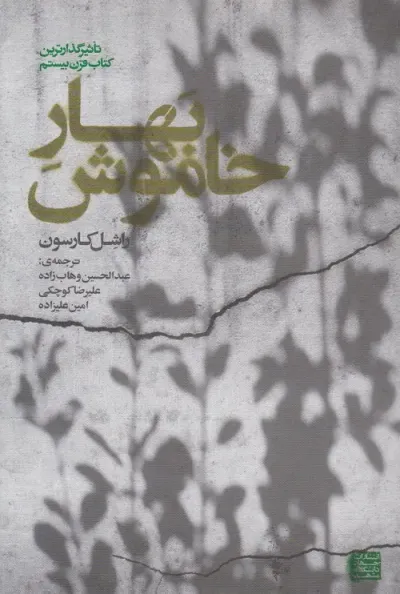
Silent Spring was first published in 1962 and quickly became one of the most influential books of the twentieth century in the field of the environment. In this book, Rachel Carson shows that the widespread use of chemical pesticides, especially substances like DDT, is not merely a technical or agricultural issue, but a danger to the chain of life, human health, water, soil, birds, and other living creatures.
Carson employs scientific language in her book, but she wrote the work for the general public. By piecing together biological evidence, field reports, and an analysis of the long-term consequences of pollution, she presents a disturbing picture of humanity's reckless interference in nature. The book's title alludes to this very warning: a spring in which the sound of birds has been silenced.
The place of Silent Spring in the history of environmental thought is special, because its publication helped form and expand environmental movements and lent greater seriousness to the public debate about the responsibility of industries, governments, and citizens toward nature. The book also showed that scientific critique can become a moral and social issue and change public opinion.