Why this book?
- For an accessible, story-based entry into the history of Western philosophy.
- For a first encounter with fundamental questions about the world, the human being, and knowledge.
- For readers who follow philosophy more easily through narrative and characterization.
- For teenagers and adults who want to begin studying philosophy with a clear and readable text.
- To see how philosophical questions can begin in everyday life.
About the book
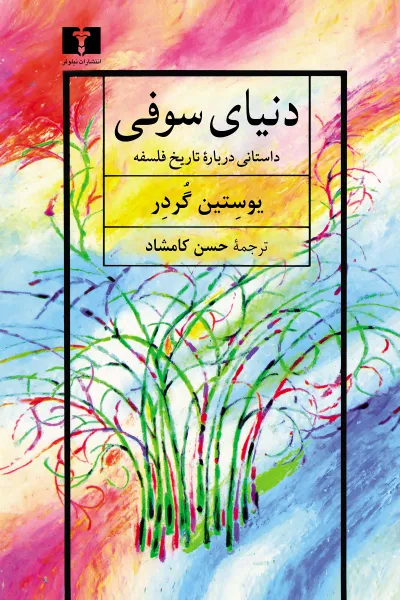
Sophie’s World by Jostein Gaarder is one of the best-known educational novels on the history of philosophy. The story begins with letters and questions received by Sophie, a teenage girl; apparently simple questions such as “Who are you?” and “Where does the world come from?” gradually lead her into an intellectual journey through the history of thought.
Gaarder does not present the history of philosophy as a dry textbook; he unfolds it through a narrative adventure. Alongside Sophie, the reader encounters questions about nature, truth, knowledge, ethics, God, the human being, and freedom, and comes to see philosophy not merely as a set of names and theories, but as a way of asking and seeing the world.
The book’s place in Gaarder’s work is important because it made philosophy accessible to a wide range of readers, especially teenagers and beginners. Sophie’s World is neither a substitute for specialized philosophical study nor a work that claims academic completeness; its main value lies in opening a door to the history of thought and reviving the spirit of questioning.
Hasan Kamshad’s translation has also played an important role in introducing the work to Persian-speaking readers. The book suits readers who want their first serious encounter with philosophy to begin with a narrative, clear, and engaging text.