Psychology
Don't Pretend to Be Happy: What Is Toxic Positivity and What Should We Do About It?
Toxic positivity, by pressuring people to suppress negative emotions, reduces resilience and harms both mental and physical health. Experts recommend acknowledging all feelings rather than denying them, so you can cope with difficult situations.

Do you hide your negative feelings?
Have you ever felt forced to hide your negative feelings? That is, been under pressure to "pretend to be happy" at any cost?
It may defy common sense, but positive thinking and positivity can be toxic.
Mark Manson, author of the bestselling book The Subtle Art of Not Giving a F*ck (2018), says: "Everything worthwhile in life is won through surmounting the associated negative experience. Any attempt to escape the negative, to avoid it or quash it or silence it, only backfires. The avoidance of suffering is a form of suffering. The avoidance of struggle is a struggle. The denial of failure is a failure."
But toxic positivity, or extreme positivism, asks you to do all of these things: force yourself to have a fake positive attitude (regardless of how phony your optimism is) and stifle your negative emotions.
Antonio Radler, a health psychologist specializing in anxiety disorders and clinical hypnosis, says we must acknowledge all the emotions that he calls "unregulated emotions": "The color palette of emotions includes unregulated emotions such as sadness, despair, anger, anxiety, and jealousy. We humans cannot ignore these emotions. This range of emotions has its own function and provides us with information about what is happening inside the body and in our surrounding environment. We cannot ignore these emotions."
Sally Baker, a British counselor and psychologist and author of the book "Finding Resilience from the Inside Out" (2019), agrees: "The problem with toxic positivity is that it forces us to deny the wide range of emotions we experience when facing a difficult situation."
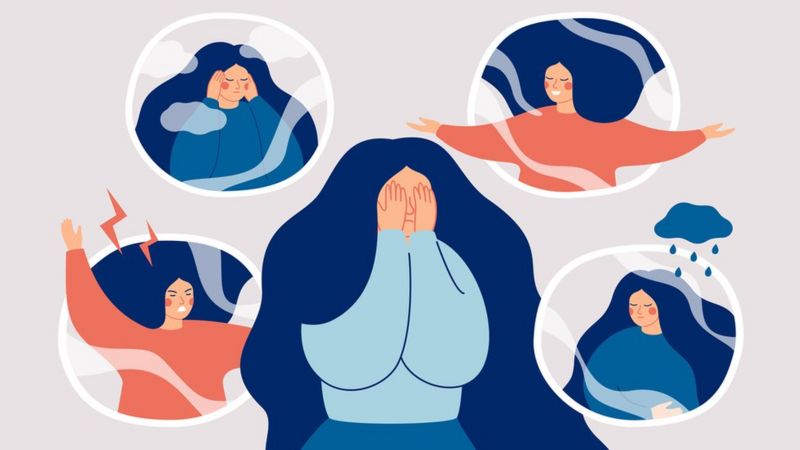
Baker says: "If you only allow yourself to express positive emotions, you are not being honest with yourself. If, when coping with a difficult situation, you deny all the 'negative' emotions that arise, you will fall apart. And even worse, this prevents you from building resilience (the ability to adapt to adverse situations) in the face of such circumstances. This isolates us from ourselves and our emotions. We hide behind this positive facade so that people do not see us as an imperfect human being."
Positive Psychology versus Toxic Positivity
To better understand toxic positivity, we must first be able to distinguish it from "positive psychology." These two concepts may seem similar, but they are fundamentally two completely different things.
Radler explains it this way: "The concept of positive psychology was popularized by Martin Seligman, a psychologist who researched depression. He found a different perspective for dealing with various problems, situations, and abnormalities."
In the 1990s, as president of the American Psychological Association (APA), Seligman said at a conference that the science of psychology should take new steps toward scientific research on all the factors that make humans happy.
In his famous book, The Optimistic Child (1995), this American psychologist explains that people are not born pessimistic; rather, life experiences lead them to pessimism. At the same time, he adds that we can fight this pessimism and change our negative thoughts into positive ones. That sounds great! So whenever I feel sad, I should focus on being happy, right? Well, not quite. In essence, that is the very shortcut that traps you in toxic positivity.
If you want to cope with negative emotions, you cannot deny them; rather, you must first acknowledge and accept them.
The key point is to rein in your positivity and not go to extremes.

Radler says: "The concept of positive psychology has been somewhat distorted over time. Focusing on the positive aspects of the various situations that arise in life can be constructive and have therapeutic properties. The problem is that if you overdo it, it can diminish your capacity to face negative situations."
Radler adds: "When positive psychology is applied correctly, it can be a very useful practice, but if you use it indiscriminately, it can give you a weak and incomplete perception of reality and create a sense of helplessness in you."
Tips for recognizing whether you have fallen into the trap of "toxic positivity":
1- You hide your true feelings and cover them up
2- You try to continue your normal life by denying and dismissing your feelings
3- You feel guilty about the feelings you have
4- You minimize others' experiences by using quotes and clichéd sayings to make yourself feel good
5- Instead of validating your emotional experiences, you try to make them seem better than they were (for example, saying: It could have been worse!)
6- If someone expresses a feeling of despair or a "non-positive" feeling, you shame them in front of everyone.
7- By saying "it is what it is," you avoid acknowledging what is bothering you
Denying or blocking negative emotions can have undesirable consequences for our health.
Radler says: "All the emotions we suppress find a physical manifestation (when psychological stresses manifest in physical symptoms) like an illness. When you deny an emotion, it finds an alternative way to express itself."
Baker agrees with this view: "Suppressing emotions affects your health. If you hide your inner struggles behind the mask of toxic positivity, they will find a way to break out elsewhere in the body, from skin problems to irritable bowel syndrome."
Radler says: "When we ignore negative feelings, our body tries harder to draw our attention to that specific problem. Suppressing emotions and feelings wears us down physically and mentally. This process is unhealthy and will not be sustainable in the long term."
Regarding the further consequences of such a process, Radler adds: "When we focus only on positive feelings, we develop a naive and childish view of life's realities, and thus we will be more vulnerable in difficult situations."

Teresa Gutierrez, an expert in neuropsychology and educational psychology, believes that "toxic positivity causes more severe psychological and psychiatric damage than depression."
Gutierrez says: "The world of emotions leaves its virtual space and can lead us toward an unreal life that harms our mental health."
Excessive positivity is not positive for anyone. If no failures or problems stand in our way, we cannot grow in life.
"It's okay not to be okay"
Has toxic positivity become fashionable? Baker thinks so, and links this to the rise and empowerment of social media, "which compel us to compare our own lives with the flawless lives of others on the internet." Baker says: "On social media, there is a relentless tendency to present the most perfect version of ourselves, which is both unrealistic and exhausting."
Baker says: "If we are honest about our own vulnerability, we can simply experience any kind of feeling. We are human; we must allow ourselves to experience the full range of emotions. It's okay not to be okay. We cannot be positive all the time."
Gutierrez believes that toxic positivity has increased "in recent years," especially during the pandemic. He says: "We are living in unusual and strange times; many people are suffering from these conditions. Anxiety, uncertainty, despair, fear... these are common feelings these days. But we have overdone toxic positivity, and this is dangerous."

Radler says: "We are witnessing an excessive need to find shortcuts to well-being, to feel better immediately, as if it is our absolute right. It is good to think that everything will end well, but that does not mean the path to the end will be pleasant. It is more realistic to say in difficult times, 'This too shall pass.'"
The psychologist adds: "Emotions are like waves: they surge intensely but then collapse and turn into foam, gradually disappearing. The problem is when we refuse to experience these feelings, because the result will be that we lose our resilience against the next waves."
Acknowledgment Instead of Denial
The psychologists who spoke to the BBC believe that, from a general perspective, the main idea is to welcome all our feelings instead of suppressing the emotions that make us feel bad.

This does not mean not being positive, but rather acknowledging the feeling we have at any given moment, even if it is not a good feeling.
Baker says: "Be more honest, be truthful with yourself; do not be afraid to admit that you are sad, depressed, or anxious. The important thing is to confess that you feel bad and to know that these things happen and will happen in the future."
Baker adds: "Experience your emotions and learn from them to gain more resilience." He emphasizes that this advice does not apply to those suffering from clinical depression (a serious disorder that can worsen if left untreated).
Stephanie Preston, professor of psychology at the University of Michigan in the United States, believes that the best way to acknowledge emotions is to "listen to them."
Preston says: "When someone shares their negative feelings with you, do not rush to make them feel better or force them to think positively. Do not say 'everything will be alright'... take a moment to reflect on their fear or sadness, and try your best to be a good listener."
او اضافه میکند: "آشفتگی احساسی به قدر کافی آدم را منزوی میکند؛ وقتی افراد دیگر، مخصوصاً دوستان و خویشاوندان، سعی کنند این احساسات را ساکت کنند، فرد واقعا آسیب میبیند. گوش کردن به فردی در رنج، واقعا میتواند تغییر بزرگی در زندگیاش ایجاد کند."
شما هم میتوانید به عنوان یک گوش شنوای خوب، از کارتان نفع ببرید. پرستون میگوید شواهد نشان داده که نوعدوستی اثر مثبتی روی سلامت شما دارد.

اما اگر آن فردی که غم و غصه دارد خود شما باشید، چی؟
رادلر میگوید: "مهم این است که به درونتان رجوع کنید. وضعیت و احساساتتان را به رسمیت بشناسید. انکار نکنید که أوضاع خوب نیست، خودتان را به آن راه نزنید. در عین حال در احساسات منفی درجا نزنید. عواطف اطلاعاتی هستند که باید مطالعه و درکشان کنیم تا بتوانیم دید درستی پیدا کنیم و ببینیم چه درسی میتوانیم یاد بگیریم، چه تغییراتی باید برای آینده ایجاد کنیم."
اما این توصیهها را چطور به عمل تبدیل کنیم؟ چند مثال برای آنکه چطور پیامهای "مثبتاندیشی سمی" را به پیامهای مفید تبدیل کنیم، در زیر ببینید:

رادلر میگوید: "ما باید مسئولیت خوشبختی خودمان را از منظر روانشناسی سازنده به عهده بگیریم. ایرادی ندارد که نیمه پر لیوان را ببینیم اما باید بپذیریم که مواقعی هست که لیوان نیمهخالی است و از همین نقطه، مسئولیت ساختن زندگیمان را بر عهده بگیریم." بیکر هم او را تایید میکند: "تمامی عواطف ما واقعی و اصیل هستند، و همهشان موجه هستند."





Discussion2 comments
عالی
خیلی خوب و عالی بود