Religion
Download the Book Resaleh-ye Din Shenakht (A Treatise on the Knowledge of Religion) by Arash Naraghi
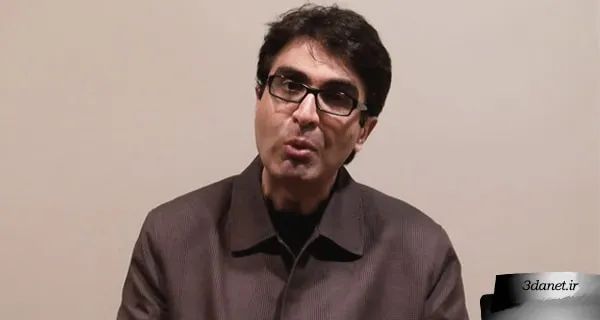
In his Treatise on the Study of Religion, Arash Naraghi puts forward a constructive theory, proposing a model of religion composed of three pillars: religious experience, beliefs, and practice. The PDF of this four-chapter book is available for download.

Discussions in religious studies within our contemporary intellectual-religious community have undergone positive and valuable developments in recent decades. However, amid these flourishing inquiries, religious practitioners and scholars have less frequently articulated their own theories about religion in a constructive manner. Yet it now seems that the course of religious studies discussions has reached a point where thinkers can gradually begin to offer a constructive theory about the essence and fundamental structure of religion. In "Resaleh-ye Din Shenakht" (A Treatise on the Knowledge of Religion), an effort has been made to present a model of religion, meaning a theory concerning the essential and intrinsic pillars of religion as well as the manner in which these pillars are ordered. Thus, "Resaleh-ye Din Shenakht" is the outline of a religious-studies model. The structure of this model consists of three pillars (religious experience, religious beliefs, religious practice) that are arranged upon one another in a specific way. On the other hand, this treatise also proposes a constructive theory regarding the content of each of these three pillars.
Among the strengths of the book Resaleh-ye Din Shenakht is its excellent categorization of the material; the book is written in four chapters: 1. What is Faith? 2. Revelation and Religious Experience 3. The System of Religious Beliefs 4. Religious Practice or Conduct.



Discussion2 comments
نویسنده مگر احمد نراقی نیست؟
آرش نراقی در گذشته با نام مستعار احمد نراقی مینوشتند.