Psychology
How Do We Skillfully Lie to Ourselves? | Dr. Shirzad Peik Herfeh
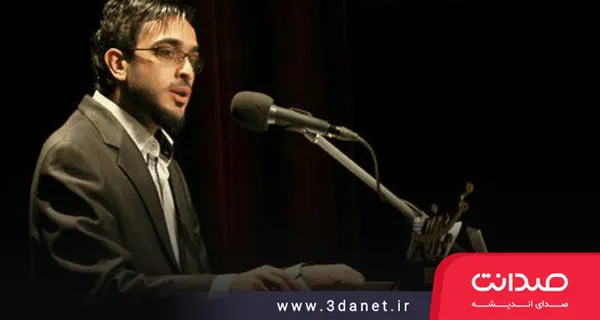
In a short talk at Qazvin International University, Dr. Shirzad PeikHerfeh explores the question, 'How do we skillfully lie to ourselves?' The audio recording is from a winter 2016 lecture at the Faculty of Humanities.


Shirzad Peik Herfeh
AuthorA short lecture by Dr. Shirzad Peik Herfeh How Do We Skillfully Lie to Ourselves?! Faculty of Humanities | Qazvin International University | Winter 2016
Shirzad Peik Herfeh was born on February 22, 1980, in Rasht. He completed his bachelor's degree in English Language at Shiraz University in 2002, received his master's degree in Philosophy from Imam Khomeini International University in Qazvin in 2004, and was admitted to the doctoral program in Philosophy at Allameh Tabataba'i University in Tehran in the same year. He currently holds the rank of Assistant Professor and teaches philosophy at various Iranian universities. In addition, from 2004 to the present, as a researcher, translator of specialized texts, and simultaneous interpreter at international conferences, he has collaborated with philosophical institutes and research centers within the country, such as the Sadra Islamic Philosophy Foundation, the Institute for Humanities and Cultural Studies, and the Iranian Institute of Philosophy. In 2010, when the International Congress on World Philosophy Day was held in Iran, he was appointed chair of the congress's Ethics panel. In the same year, he became a member of the editorial board of the American philosophical journal Philosophy Study, and in late 2011, he became a senior member of the International Economics Development Research Center (IEDRC). The main headquarters of this research center is in Hong Kong, and its primary goal is to conduct interdisciplinary research, especially in technology, economics, and ethics. Dr. Peik Herfeh's specialized areas of interest in teaching and research, as well as his lectures and articles in Persian, English, and Russian at scientific-research philosophical conferences and journals inside and outside the country, include Philosophy of Ethics (especially normative ethics and applied ethics), comparative studies between ancient Iranian teachings and Western philosophy and philosophers, and comparative studies between Islamic ethics and jurisprudence and Western philosophy and philosophers.





Discussion0 comments
No comments yet; let yours be the first voice.